Category: Industry Voices

  • George Kipouros  |  Editor & CEO  |  Wanderlust

    George Kipouros | Editor & CEO | Wanderlust

    What made you want to work in publishing?

    I’ve always valued the credibility of print publications – something not easily found in the sea of online noise. It will sound clichéd, but I also love the look and feel of a high-end publication – a magazine that is so good, content and looks-wise, that you want to keep it in your coffee-table or your bookcase.

    I have seen several titles cease publication in the last decade, some very loved ones indeed, with quite a few in travel (Lonely Planet’s magazine being one example). I’ve often read that the online world has been responsible for the demise of many a print publication – but interestingly we do see quite a few traditionally-print titles thrive online. Hence, I am genuinely excited about the challenge of transforming a traditional 30-year-old, print-first travel magazine into a global pioneer in digital travel inspiration and information.

    How has your career history, particularly your time at AI Business, impacted the way you run Wanderlust?

    When I started AI Business in 2014, alongside my dear friend Dan Pitchford, we were the first online news outlet dedicated to AI (Artificial Intelligence). I managed the editorial and content side of the business, focusing on engaging top talent among a limited pool of writers and journalists in the AI space. Dan looked after the commercial development. We started with building a community of loyal readers as we helped them navigate the world of AI – calling out companies that weren’t actually delivering on their promises, while also helping rate the best ones in the market. We moved on to launching the first industry awards on AI (the AIconics), events and exhibitions, a book publishing division, a training academy and a consulting arm. Within five years, we were making £7 million in annual profit, with operations in London, New York and San Francisco. Our business was sold to Informa Plc. Our online news website was a pivotal revenue driver alongside our events and exhibitions.

    Being a pioneer in what you do is key to commercial success. Wanderlust was pioneering in many ways before me joining: the first travel publication to focus on sustainability in tourism, nearly 25 years ago, and the first publication to introduce places like Cuba, Namibia, Laos, and Myanmar as cover-worthy destinations to UK readers. My priority at Wanderlust is to make us a global innovator in the way we deliver content digitally and in the way we inspire and inform our readers’ travels through new technologies including AR/VR. Editorially, I am very eager to help readers see destinations in new light – for example, we recently published a Saudi Arabia cover, introducing our readers to the timeless treasures of the region of AlUla.

    Being authentic is also very important. Wanderlust has a unique voice in the travel world – one that doesn’t blindly follow trends, irrespective of the associated commercial cost. For example, we’re very critical of the Airbnbification of city centres – even though many of our readers will book their accommodation through the online platform. We call out hotels and resorts for ‘greenwashing’ – no, flying over hundreds of bottles of Evian water from France all the way to a remote Maldivian resort isn’t the pinnacle of sustainability, and we will call brands out clearly when we need to.

    Wanderlust’s tagline is “taking the road less travelled” – could you tell us what this means to you?

    When joining the organisation in December 2020, the first thing I did was work with the team to refresh our tagline (previously ‘Travel Well’). I wanted something that demonstrates our unique proposition among travel magazines out there: a magazine that doesn’t focus on the bucket-list-friendly likes of Barcelona, Berlin and New York City but introduces incredible, new corners of our planet to readers of every age group. It is also about spreading the volume of visitors to multiple locations around the world, across all seasons rather than a single season, with respect to the local environment and community fabric. The new tagline represents 30 years of editorial authenticity – Wanderlust is after all the oldest travel magazine still in circulation in the UK and Europe!

    Conversations around sustainability have been dominating the travel industry – what are Wanderlust doing with this in mind?

    Much like Lyn and Paul, the founders of Wanderlust, I am very passionate about sustainability in travel – and it starts with not promoting saturated destinations like Venice and Amsterdam, or mega-cruises and Airbnbs. This does come at a commercial cost to the business of course – our sales team have declined advertising with themes that we feel don’t match our approach to travel.

    To note, sustainability in tourism isn’t only about caring for the natural environment, it is also very much about the impact of the tourism industry on humans. Personally, I am very keen to support indigenous tourism initiatives from around the world as a means to safeguard the incredible heritage and traditions of communities that may have otherwise been at risk.

    What magazine do you stockpile?

    I was a subscriber of Wanderlust for 15 years before joining the organisation, and I think there are very few past copies that I don’t still hold in my bookcase – treating them as handy manuals whenever I am planning my future travels! In my younger days, I would also keep copies of USA’s Travel & Leisure, although my interest faded out as the magazine moved editorially towards lifestyle.

    You are Editor-In-Chief and CEO, what is it like straddling those two roles?

    It’s about taking a holistic approach to driving change at our organisation. After 30 years of formulaic growth, we needed a good editorial refresh, a new look at our overall brand strategy and a very significant drive into the digital world. The changes that I am spearheading span across all sides of the business, although my absolute priority is renewing excitement on our editorial content and significantly expanding our reader base, both in print and online. That said, I’m certainly no pioneer in this sense – as we’re seeing this duality of Editor and CEO in many organisations around the world, including the likes of Time Magazine.

    As an organisation, we’re investing heavily in the Metaverse! Wanderlust became the first travel media brand globally to launch a Metaverse campaign proposition this past March: we presented our first MetaTravel activation to a global audience at The Ritz in London in partnership with ProColombia. It is incredible how close the technology has come to making Metaverse users feel like they’re actually in the destination that they’re immersing themselves in! The Metaverse is still in development, and its potential is far from exploited, but we’re thrilled to be inspiring a whole new generation of travellers through VR/AR, while keeping true to our tradition of authentic, energising storytelling.
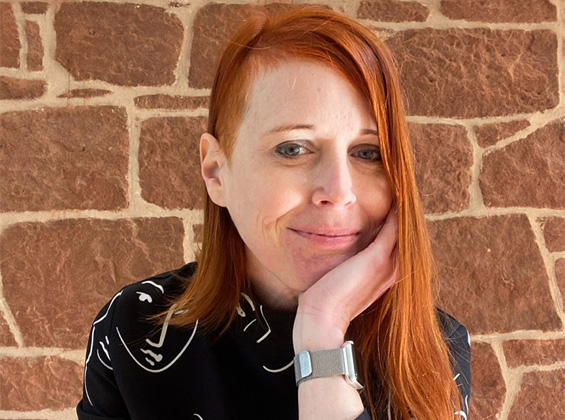
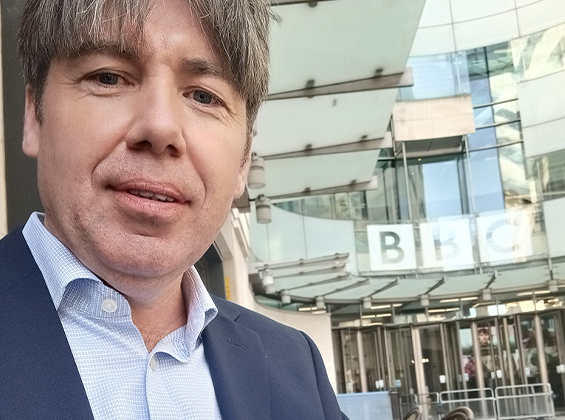
  • Sheri Friers | CEO | The List | The List Publishing

    Sheri Friers | CEO | The List | The List Publishing

    What made you want to work in publishing?

    Before moving from London to Edinburgh I used to work in the music industry. When I was relocating, I was keen to find a job that was still in the media and still had some sort of creative outlet. So I started working at doing press for ‘T in the Park,’ and through them I met Robin Hodge, who was the original publisher of The List. I went and talked myself into a non-existent role of promotions executive under the promise that I would create The List’s first ever CD covermount. I absolutely loved my job from day one. It was such a varied and creative environment to be in. The List played such an important role in supporting all genres and was really respected for its editorial independence and it was just such a great place to work. From day one I was sold!

    The List recently returned to print – could you tell us how you went about this?

    COVID hit and all events were halted and therefore the need for a magazine and website dedicated to going out just wasn’t there any more. In the short term, we managed to pivot the website and it became the go-to place for online events and we just created as much content as we could.

    There were two companies under The List umbrella, there was The List (publishing) which looked after the magazine and website and The List (digital), which was the information services and events information arm. As COVID continued, I started to see that the parent company’s focus was moving more towards the digital side of the business, and this was ultimately going to lead to the closure of The List magazine. Because of the uncertainty of the company’s future, we weren’t eligible for the bigger government grants on offer, which led to the publishing side getting wound down. At this point, I had been at The List for almost 20 years and it had always been more than a job to me – it had been a way of life.

    I just couldn’t imagine the world without The List and I was desperate to try and save it. I was obviously keen to save my job and the jobs of my team, but also to continue the vital voice that The List has in supporting arts and culture across central Scotland. So after nine months and a couple of failed investment attempts, I found a couple of like-minded people who were keen to save The List as much as I was. We set up a new company and put a plan in place to rebuild The List. We launched a Crowdfunder and the support was incredible. It was so validating and encouraging to have the arts and culture community come together and want to see The List return. It was everyone from journalists that had their first paid review by The List or bands that had their first gig reviewed by The List, and that really spoke volumes and added more fire to my belly to make this happen. We ended up raising just under £30k and that is all we needed to get cracking. After two years we returned on 1 March with a new monthly cycle. It was our first issue as List Publishing Limited, but it was the 759th issue as the magazine had been going since 1985. We also launched our Guide to Scotland’s Festivals, and the reception was just brilliant. So we’re now on issue three or 761 and counting!

    You have a regular audience of over a million users – the majority of which access your content online – why was it important to publish the print issue again?

    It was so important to publish again because The List is an institution and has been the go-to for those deciding how to spend their time and money since 1985. It’s been at the forefront of supporting arts and culture long before people could access content online. We did see a dip about 10 years ago in print, but like vinyl, people started to return to the original format, and we began to see a real trend and people wanting to advertise and be featured in the printed format and have something tangible to read and to flip through to hang on to. I couldn’t imagine print working without online together – they work so well together.

    Why is arts and culture journalism so important? How can we continue to highlight its importance?

    Can you even imagine a world without arts and culture? It would be so boring! Even in my time, people used to be able to be full-time musicians and full-time journalists and those opportunities just aren’t there any more. Whether you’re a new writer looking for your first writing gig or whether you’re an artist looking for your first exhibition – it’s all an ecosystem and one that we’re super proud to be a part of. There could never be too many publications or websites supporting arts and culture. We’re just happy to be part of a community that offers opportunities to artists and journalists alike and increase jobs in an industry that’s been hit so hard over the last couple of years.

    What does the next 5 years hold for The List?

    Obviously, as a business that almost didn’t survive the pandemic, we’re taking nothing for granted. We’re just so pleased to be back doing what we do best. To be given a second chance to carry on a 37-year-old legacy is such a privilege and we’re all hands-on deck to make that as successful as it can be and add on another 37 years. We want to continue publishing and we want to continue supporting arts and culture, supporting independent journalism, and growing the team back. We want to keep putting on more of our own events and not only support all of the live events out there, but creating our own events and doing what we do in print and online and bringing it to life. We just want to keep shouting as loud as we can about how fertile and important the arts and culture scene is in Scotland.

    What’s on your radar?

    I’m very excited to get everybody back out and experiencing all that the scene has to offer. I feel, especially with the Edinburgh Festival coming, that there’s this real need to be back out in it and experiencing it. I think other people have had enough of staring at their screen and flipping through pages online – sitting at home has its time place but it’s time to get back out and enjoy live events/

    What magazine do you stockpile?

    I’m a big fan of Huck. I love their content. I love their style and the topics they cover. I just lose myself in every issue and think they’re pretty ahead of the curve in terms of what they do. There’s also an online magazine called The Flock. It’s such a cool platform and it’s all it’s all women led journalism with very compelling content.

  • Martin Quinn | 50:50 Project Lead | emap

    Martin Quinn | 50:50 Project Lead | emap

    What made you want to work in publishing?

    I got into publishing by complete accident, I got a temp role working for Taxbriefs, which provides financial content for Financial Advisors and Accountancy firms, then I was asked to run the commercial relationships for headlinemoney which led me further into the world of financial services on the PR and communications side, and by extension I now work closely with colleagues in trade magazines Money Marketing and Mortgage Strategy.

    Could you tell us a bit about the 50:50 Equality Project and its origins?

    The project was the brainchild of Ros Atkins who presents Outside Source on the BBC news channel, he noticed that in one week, not one contributor was a female, and that this had to change, so alongside his researchers and producers looked to change this, by way of monitoring and counting data, with one important caveat, regardless of gender, only the best person gets on air.

    Since those early days the project has grown to over 700 BBC teams and over 140 external partners worldwide.

    Can you explain what the March Challenge Month was?

    Every March the BBC publishes it’s 50:50 data in the Impact Report, and the March Challenge is to try to get all teams to 50:50 in March.

    Within emap we did exceptionally well, out of 13 titles who took part, 6 achieved 50% and over female representation.

    What would you say to quota sceptics?

    Firstly the data does not lie, people often say of course we are gender diverse, but until you actually count and record the data, you will never know how well you are doing, and by counting data you are putting a marker down, drawing a line in the sand, and in most cases over time you will see an improvement.

    To quota sceptics, all of us need to try and reflect society in the magazines and websites we produce, and we have proved that 50:50 is actually working and making a marked difference to our audiences.

    50:50 has an impressive spread of publications, including several B2B titles that represent quite traditionally male dominated industries like engineering. How do you go about engaging with these publications?

    We are rightly proud of both engineering titles, New Civil Engineer and Ground Engineering, and it really is down to the editors, Claire Smith and Nia Kajastie. Without the passion and hard work of the journalists it would be impossible to get new diverse voices in our content, it can be lazy just to use the same old faces, but we all need to encourage new spokespeople and commentators.

    50:50 has made fantastic progress in the 5 years that it has been running – are there plans to expand the definition of equality beyond gender equality?

    The BBC are actively now counting disability and ethnicity for the first time in March, and the hope is that this will be extended to the external partners over time.

    What’s on your radar?

    We have so much more to do at emap, we started with 3 titles, now it 13, so the aim is to keep driving this forward.

    In addition myself, Claire Smith and Miranda Holt from the BBC will be presenting at the PPA Festival in May, so quite excited about that!

    What magazine do you stockpile?

    Work wise it has to be Money Marketing and I do love to see a magazine in print, especially when they run a striking gender feature on the cover, Time to Break the Bias in March was a particular favourite.

    I also try and pick up Today’s Golfer fairly regularly, to try and pick up some tips!

  • Jo Adams | Marketing Director | New Scientist | Harmsworth Media

    Jo Adams | Marketing Director | New Scientist | Harmsworth Media

    Chart your career from the start to now.

    I didn’t consciously choose a career in subscriptions marketing; I studied Retail Management at university. I fell into it having worked as an admin/marketing assistant for Riley’s American Pool and Snooker clubs whilst at university. I was responsible for club membership renewals and student acquisition campaigns. Little did I know that this would be the grounding for my entire future professional career.

    Even when I left university, I was convinced my career would be in retail. I took what I thought would be a stopgap subscriptions assistant job at BBC Worldwide whilst working through the graduate assessment centres with a couple of big retailers. 20+ years later I’m still here and have had the privilege of working on most of the UK’s greatest magazine brands.

    Without a shadow of a doubt, I had the best time at BBC Worldwide, I think this was why it was so hard to consider leaving when the crunch came, and I had to decide between entering a graduate scheme with a retailer or stay at BBC. I’m so pleased I opted to stay at BBC. It’s where my career really started and 20+ years later, I am still doing the job I love in the industry I love. I’ve met and worked with some exceptional people along the way. I’ve made life-long friends along the way too; I feel very blessed to have experienced this in my career.

    After nearly 7 years at BBC, I joined Hearst. Hearst were amazingly supportive as I was a first-time mum at this point, allowing great flexibility. I’m very appreciative and fond of Hearst and let’s be fair, they have marvellous brands too!

    I took a slightly different move after just under 3 years at Hearst, joining TSL Education. The timing was perfect, I had a daughter who would be entering school and I was keen to get a different perspective. TSL is private equity owned and a sort of B2B. I had my 2nd daughter whilst at TSL but after 5.5 years I was missing the glamour and glitz of the lifestyle so was delighted to be offered the opportunity to go back to working with a familiar BBC title, albeit under a different publisher; I joined Bauer in 2014.

    After Bauer, in early 2018 I did a little stint with The Spectator, I love having this on my CV as it’s an excellent publication, and that brings us up to present day. I joined New Scientist in June 2018 and I can honestly say I have the best job ever.

    You’ve been at the New Scientist for almost 4 years, what has it been like working for a science publication in a time when there has been such focus on trusted scientific content?

    A privilege. And for me personally it has been very comforting to be surrounded by clever, smart, informed, and rational people at a time when the world was losing its head. Our editorial team are simply outstanding, they work tirelessly, they strive for truth, and they are trusted and quite simply brilliant.

    I would not have wanted to be anywhere else these past few years. Especially living through a pandemic, our editorial team were at the forefront, when it felt like rest of world was catching up. I felt well-informed and it became my family’s go to publication during this time of crisis.

    It’s been an astonishing few years; New Scientist continues to go from strength to strength. We’ve grown exponentially, our ambition knows no bounds. We will become the number one science media brand in the world, of this I have no doubt. To be a crew member on this journey is without doubt one of the absolute highlights of my career. I cannot wait to see what the future holds for us.

    As marketing director, what is the best way to understand the wants and needs of your audience?

    This is cliched but it’s all about the data. You must know the problem you are trying to solve and what it is you are trying to achieve and then use the data at your disposal. We have a tendency to become focused on the questions we can’t answer with our data rather than what we can answer or infer from what we have. Switching the mindset from ‘we can’t because…’ to ‘we can if…’ means you will get so much more from what appears to be disjointed and fragmented.

    Ask your customers what they want. I think we too can be fixated on needing expensive research projects when you have an audience at various stages of the lifecycle with you, you should simply ask them. Our Customer Experience team have short surveys at various stages of the customer journey to help inform and shape our strategy, this has been invaluable in shaping not only our product offering but our pricing and added value options too.

    What has been a career highlight?

    I’ve always been ambitious, wanting a seat at the top table. To realise this dream has been quite extraordinary. To be given the opportunity to be a guardian of New Scientist is my career highlight.

    I am incredibly lucky to work with an exceptional leadership team on a brand with outstanding people. I am immensely proud to have played a part in leading and navigating the business through the pandemic, a sale, and the integration in to DMGT, without missing a beat. It’s hugely satisfying to see how much the business has changed since I first joined and to have shared its many successes along the way. New Scientist will also hold a special place in my heart, just as the BBC still does from all those years ago.

    How has the world of magazine media marketing changed in the last 5 years? How do you think it will change in the next 5 years?

    I have seen a huge shift to direct marketing over the years with most marketing being offer driven or action orientated; marketers focusing their efforts on conversion and optimisation of digital marketing channels with very little upper funnel brand awareness or audience development marketing. Content is our shop window and so data driven optimisation has been the be all and end all for some time. However, it is becoming more and more difficult to cut through the digital noise, there’s so much going on brands get lost making it difficult and expensive to get in front of prospects let alone get them to act. Something must change.

    I see a future where our marketing must go up and out, a shift away from conversion focused tactics. We must build and nurture relationships with our prospective customers outside our core channels. We’re going to have to place more focus and spend on upper funnel activity, pivoting to brand building and audience development across multiple channels. We will have greater concentration on the principles of connect, engage, convert, and retain.

    I also see the resurrection of some of the older direct marketing tactics, direct mail for example enables brands to cut through the digital noise and really showcase content.

    What’s on your radar?

    There are two things keeping me awake at night; firstly, the challenges my peers, colleagues and I are experiencing in recruiting marketing talent into our industry. We live in a subscriptions economy, but we do not seek, grow, and nurture raw marketing talent into our industry. I speak with peers regularly and we have been experiencing this for some time. I think it is up to us collectively to make this our responsibility.

    The second thing keeping me awake at night is the exponential increase in the cost of living and the unavoidable impact this will have on many many people and businesses.

    What magazine do you stockpile?

    In paper format it’s just New Scientist I’m afraid, I feel terribly guilty if I see physical magazines piling up, so my subscriptions are app or newsletter based. I fear I will sound terribly boring, but I really enjoy The FT and The Telegraph, both excellent quality content and app user experience. In the morning The Week newsletter informs me of 10 things I need to know. I do however stockpile books, I buy regularly as part of my weekly shop or on one of my frequent visits to Waterstones. Last week I bought Charles Darwin’s Origin of Species and Greenwich Park by Katherine Faulkner.

  • Ridhi Radia, Diversity and Inclusion Manager, Immediate Media

    Ridhi Radia, Diversity and Inclusion Manager, Immediate Media

    What made you want to work in publishing?

    I moved to the UK from India at 15, and it was a huge culture shock for me. I was worried about fitting in and not being able to make conversation at school. The variety of magazines available in the UK became a lifeline – I was always an avid reader and magazines were my go-to for improving my language skills and building my knowledge of western culture. I remember buying every magazine I could get my hands on, drowning myself in fashion and pop culture. I was fascinated by how magazines influenced, shaped, and gave structure to society and knew I wanted to be part of it.

    You started at Immediate as a Senior PR Manager and D&I Lead in 2016 – how have the conversations around D&I changed and developed since then?

    There’s no denying there’s been a heightened interest in D&I. In 2016, across industries, having a dedicated resource to D&I was a rarity and while D&I was part of agendas, it was likely not a priority. Many businesses and industries have now started to take note that by being open to new ways of thinking, and new ways of tackling the challenges we face, it creates more opportunities for us to grow as people, and as an organisation.

    Whilst creating an inclusive and diverse environment was also important for Immediate, it is fair to say that alongside many other organisations, the death of George Floyd in 2020 made us realise we could and should be doing more. Since then Immediate has made sure D&I is a key strategic priority for the whole company, from recruitment and training to editorial and education.

    One thing we need to remember though is there is no ‘one size fits all’ solution for D&I and it’s impossible to be ‘done’. D&I work is an active and ongoing commitment to changing the status quo and tackling the biases we find in ourselves. Each individual, business and industry will be at different stages. For example, some people may have been engaged with diversity initiatives for some time, whereas others are just learning what microaggressions are. The most important thing is being open, willing to learn, and listening.

    You’ve spoken about the need to get comfortable having uncomfortable conversations, how can publishers start going about this?

    The challenge around D&I is that Diversity opens the door to some tough conversations and Inclusion isn’t natural for everyone. This is especially true when conversations challenge us to look at our own biases and personal beliefs. There can be a natural feeling to want to defend or deflect, or there may be a fear around saying the wrong thing. These reactions are normal and part of the process.

    At Immediate, we have launched a new framework of Values and Leadership Behaviours that create a safe space to be open and vulnerable, and allow these conversations to happen and encourage inclusive leadership. In addition, we have started an ‘In Conversation’ and ‘IM Talking’ series which includes our people, leaders and external panellists being vulnerable, open, and honest in talking about subjects such as race, periods, menopause, imposter syndrome, men being open about mental health through to coming out at work and neurodiversity.

    Through listening to, and understanding, different people’s journeys and stories, and being open to what people are saying, or even not saying, change is possible. These conversations are not always easy, but they are always worth it.

    Immediate was recently voted the 4th best employer in the UK. How has Immediate created such a positive working atmosphere?

    We are passionate about being people-first, meaning we care deeply about our people and support them through every life stage. We firmly believe that our people and culture are central to the business we are today and the growth we have experienced.

    We’ve also focussed a lot on building and maintaining a community. During lockdown, we ensured that our people felt connected and supported through our ‘IM Community’ – an extensive programme of webinars, workshops, new skills courses, exercise classes, talks, book clubs, social events and outreach projects – and provided a central directory of resources, from financial support to mindfulness and fitness apps and health and wellbeing support.

    For me personally, focusing on diversity and inclusion as a cultural and business priority has allowed me to open conversations we need to have in our industry, in our community, and within our walls. As a company we have reflected, educated, and developed a strategy so that our people are valued, welcomed, respected, and heard.

    How do you think more diverse and inclusive workforces in publishing impact the publications they create?

    If the people working within an organisation are diverse, then naturally this means the content and work produced are going to be far more diverse and reflect different cultures and beliefs. At Immediate we have five internal D&I network groups – IM Proud, IM Women, IM Minds & Bodies, Multicultural at Immediate and IM Family – to help us create an inclusive, collaborative, and accountable culture that supports the talent and diversity of our people. The discussions and knowledge from these groups have helped to shape a fresh approach to our content, and they are even happy to help if editorial teams need to check wording or terminology. From this, we can reach potential new audiences and put inclusive journalism as a key part of our business plan and transformation.

    I am excited by the growth in representation in the media. From diverse Vogue covers through to Bridgerton season 2 and seeing a dark-skinned Asian lead in a mainstream TV series! I love how content is changing to reflect diverse people and I feel far more empowered when I read about my heritage being reflected and celebrated in the media and issues I care deeply about being openly talked about. When I was consuming media to understand how to fit in when I moved to the UK, I thought I had to be more English to be accepted. Seeing representation now will be life-changing for diverse people, making them feel more accepted and that it is OK to be who they are and want to be.

    Another thing that I am excited about is being lucky enough to work together with D&I leads from the industry to move the agenda forward. The only way to make any change is by working together as an industry. I’m really excited about the PPA D&I initiatives that everyone is working together on – and that we are launching at the Festival.

    What magazine do you stockpile?

    I am a magazine hoarder. Stylist and Vogue take up a lot of floor space in my house. I am also planning my wedding and looking to move house, so interior magazines and wedding content have kind of taken over my world…

    I regularly have people around and love cooking for friends, so I always go to BBC Good Food and Olive magazine for inspiration. One of my recent favourites has been Adam Bush’s roast broccoli wedges with kecap manis and peanuts – they are so delicious, vegan-friendly and highly recommended for entertaining!

  • Rosamund West | Editor-in-Chief | The Skinny

    Rosamund West | Editor-in-Chief | The Skinny

    What made you want to work in publishing?

    My background is in visual arts – I went to art school and my plan after was to find a job where I could write about art. Obviously that can be quite a hard thing to pursue a career in! While I was in my final year at uni, The Skinny started up, so I found my way in step by step. I didn’t start out thinking, I want to run a magazine, I started out thinking I want to write about art, and recognised that I wanted to write about other things too. I soon realised I had the skills to do production in the newspaper context, and I could actually make a living going down the production-y, editor-y route, and then came to really love the process of editing.

    Now in reflection, I can see where the origins of this lie in terms of what I was doing when I was in my early 20s. For my university dissertation I wrote about the use of the veil in contemporary Islamic female art. This was that point in the early 2000s where there was a big rise in Islamophobia, post 9/11. I looked at the veil as a signifier of the divide between cultures and the signifier of misinterpretation. I think that idea is something that I feel we try to explore in the magazine. Trying to create a better understanding between people and countries and cultures. That’s what keeps me interested in making this magazine. Trying to connect people to things that are going on, which are going to make them think, make them get out their houses and enjoy their lives a little bit more.

    You’ve been at The Skinny since 2008, working your way up from Chief Sub-editor to Editor-in-Chief, what have been the biggest changes you’ve noticed since being there?

    It’s very much a DIY publication. That comes from where it started with a sort of punk scene/vibe, and we still have that to a degree, but it’s incrementally grown to be an functioning business which is able to pay everyone that works there. We’ve developed partnerships with institutions which means we have a much greater level of respect, which is nice. We’ve done lots of things as a business during that period, for example we launched in the north of England for four years from 2013-2017. That was an exciting period of expanding where we effectively tried franchising the main magazine to different areas. We had lots of ideas where we could take it if that model was to be successful.

    The Skinny has changed its face quite a lot. We’ve got a different design and we’ve hopefully evolved. How and what we cover has changed as well as the general landscape… for example when I first became editor people were still asking if women could actually be funny!

    The Skinny is published in Edinburgh, Glasgow and Dundee. What are some of the benefits of working for a publication that is for a specific region?

    I think in this specific region we have an underlying identity. That was something that was interesting in terms of the North expansion. We realised that there isn’t an underlying identity there in the same way there is an underlying identity here. Yeah, there is rivalry between the cities in Scotland, but everyone ultimately is Scottish. I think it’s about community building – that’s what’s really important and that’s the core of what we do. It’s about people being able to enjoy living where they are and to be able to work in interesting careers.

    It’s a huge thing in Scotland, the graduate departure to the south and to London, because that’s where opportunities are. I think it’s really important to try and build opportunities everywhere that people live.

    Can you tell us a bit about your lockdown strategy as an ad funded independent magazine?

    It was extremely stressful. We were just having to make decisions based on the next thing that presented itself because we only had enough money in the bank to cover the first wage bill. The priority was the wages. We cut out all other expenditures and we stopped publishing. The lockdown was announced in the week we were sending the April issue to the printers. We had redo the entire magazine covering things to do indoors. Soon after the furlough scheme was announced we furloughed everyone apart from the GM. I was even furloughed because I had a three-year-old and the nurseries had shut. We kept contact but basically the furlough scheme allowed us to at least just keep covering the wage bill, while everything else was put on hold. We shut the office, cancelled the printing, and closed everything down. We went through the budget line by line and cut everything out apart from the staff and the freelancers.

    Once the furlough scheme opened up to a percentage of working, we brought back a small team to try and work out how to bring enough money to bring more people back and start publishing again. We did a crowd funder in August 2020 that meant we could make the September issue. Then from September we would make just enough money to keep publishing with everyone on really reduced hours, and we’ve been publishing every month since then. We were able to get some money from Creative Scotland because of our position as a cultural magazine. The Scottish market, particularly the newspapers, have cut their arts coverage hugely in the past 10 years. At this point many other cultural magazines have just completely vanished. That funding kept us going for ages because the furlough scheme came back as well.

    Can you tell us a bit about the ‘Intersections’ section of your website?

    It’s effectively the opinion space. It’s had a lot of different names and evolved over the years. Its name has changed and that is quite reflective of the culture at the time. It was renamed ‘Intersections’ about five years ago as it’s a space for discussion, a space for platforming people and opinions that might not have space elsewhere. The name comes out of that idea of the intersection between different experiences and viewpoints. It’s really interesting and I think a lot of that comes from the people who’ve edited it. It’s got a strong vision – providing a platform for the editors to platform other people to explore things that are not getting the thoughtful coverage they should get elsewhere. There is a lot of stuff that is covered in a very reductive way in media generally, and it’s important to give a space for nuance.

    What’s on your radar?

    I am excited about the summer events. Our other publication Fest is coming back and has a new editor – Arusa Qureshi which is really cool. Fest is turning 20 And I’m really excited by Arusa taking over. People who have edited it previously have done an amazing job, but it’s nice to have that new perspective.

    What magazine do you stockpile?

    The Skinny obviously! I have boxes of it in my house. Weirdly I’m also really into Vanity Fair. I like reading it on aeroplanes. I quite like it’s a combination of celebrity nonsense and more political investigations. And of course, its vendetta against Donald Trump. I think it’s easier to read because you’re almost looking in in this different world of America.

  • Hattie Brett | Editor | Grazia | Bauer

    Hattie Brett | Editor | Grazia | Bauer

    Chart your career from the start to now.

    I started my career, fresh out of completing a magazine post-graduate degree at Cardiff, as editorial assistant of Grazia. I worked my way up, saying yes to every opportunity, ending up on the features desk and then being asked to work up an idea for launching Grazia’s website. I sat in a room with a bunch of developers and we came up with the concept for Grazia Daily – a site dedicated to the fashion and beauty arm of the brand at that time. I edited that for a few years and then became Assistant Editor of Grazia, overseeing features and entertainment in print and for our digital operations (by that point social, digital and iPad). I was then asked to be the editorial lead on devising a new brand aimed to speak to younger AB women, which became TheDebrief.co.uk. I launched and edited that and remain very proud that we managed to give a voice to some of today’s most talented journalists. Then I went to The Telegraph as Deputy Lifestyle Director, overseeing fashion, beauty and luxury across all platforms. In 2018, I came back to Grazia as Editor, which was – in a word – surreal. I have always loved the brand so to return as Editor years later was a dream job. Working there previously helped in many ways as our essential ethos of serving a modern woman being multi-faceted and interested in both the high and low hasn’t changed: in fact, thankfully that’s now the norm in a world where you scroll through social media and see all sorts of topics discussed with the same fervour. But the fact I’d gone and created and then launched a digital brand from scratch, and delved into the fashion and luxury world at The Telegraph – as well as learning from their exceptional digital and data team – meant that when I returned to Grazia we were really able to focus on the brand as so much more than just a magazine.

    How has your education, particularly your PPA accredited post-graduate course at Cardiff, impacted the journalist you are today?

    Cardiff taught me the rigour of being a journalist: something that I think is crucial in today’s media landscape, where social media drives so much of the conversation. Legals, subbing, accuracy, the correct picture choice: these are all invisible elements if you like, but still absolutely crucial. I still draw on the magazine craft I learned there, too – whether that’s in working with my creative director on designing pages that draw the reader in, or with my deputy editor on coverlines that deliver a promise to our audience of ABC1 women. I also had it instilled in me that words matter; that journalism is about breaking stories and taking stories on. So, for all the power of the hot takes we commission and write at Grazia, we’re also committed to on-the-ground reporting, as you saw in our recent cover feature, profiling four women on the frontline of the war in Ukraine. But above all, my biggest lesson from my entire education was to be curious; to ask questions and seek out answers. The greatest privilege of journalism is being allowed to do that on behalf of your audience. It’s being nosy, but with a purpose!

    What is your advice to young journalists trying to find work experience post-pandemic? What do you think publishers can do to make work experience more of a priority as part of their diversity and inclusion initiatives?

    I’d like to think the pandemic has made it easier for workplaces to improve the diversity of people interning and doing work experience with them, by the virtue of their no longer having to be in London where many can’t afford to be. But it’s still an incredibly difficult industry to break into, and more needs to be done by publishers to help break down barriers. My advice to anyone wanting to find work experience is to be strategic. Work out the publications you want to write or work for and get to know them – and the people who work there – really well. Then don’t be afraid to approach those people you admire and ask for help; often now people are much more likely to jump on a Zoom call with someone. Think about what value you can add to them and come brimming with ideas. Use your youth to your advantage here. Busy editors know they should be all over upcoming trends and platforms but aren’t always, so come armed with knowledge of what their competitors are doing and what they could do better. Ideas, enthusiasm and curiosity are still what count.

    The Grazia covers for International Women’s Day featured the stories of four different women in Ukraine and how they were navigating the invasion – how did this idea come about so quickly?

    Since Grazia transitioned to become fortnightly we’re able to shoot a lot more covers and create event issues like a monthly would. However, since we still go to press on a Friday before we hit newsstands the following Tuesday, we’re also able to respond quickly when the situation demands. I think that ability to pivot quickly to the public mood is what’s resulted in consecutive circulation growth: up 7.5% in the JD 2021 ABCs.

    The war in Ukraine felt like another of those moments we had to throw out everything we’d planned. We knew our audience were concerned about seeing a new war in Europe unfold, and I believed that they would expect us to devote the space to tell the stories of women like them caught up on the frontline. So I asked the team to do what they’ve done so many times since the pandemic began and find the right way for Grazia to approach an unprecedented event. We found ourselves grappling with new concerns: how could we send a photographer across Kyiv safely? Was it right to show a woman holding a gun on the cover? But we managed to find four women who were willing to share their stories of grief and terror to help tell the women of the UK that they needed them to stand with them.

    A modern fashion magazine like Grazia has to navigate the opposing worlds of influencer culture and sustainability, how editorially do you go about balancing these interests for your readership?

    In terms of fashion, one of the big trends we saw come out of the pandemic for our audience was a desire to shop mindfully. Having looked at their wardrobes gathering dust, 42% of readers told us in our 2021 Gamechangers research that they were going to shop for something worthy of investment. That could mean a classic, which is why we’ll be doing our second Forever List later this year – where we team up with industry experts Lyst to rank the 15 timeless pieces our audience invested in this year. But mindful consumption doesn’t have to mean shelling out on designer pieces: it’s as much about seeking out the very best item, which is why the Grazia edit remains so important. Whether it’s via our Smart Shopping biannual issue, talking about what to spin, sell or store, or the Interiors and Beauty awards, we take our reputation for recommending brands really seriously. We’re also about to announce a sustainability editor-at-large who’ll be actively helping educate our audience on how to make informed purchases across fashion, beauty and interiors.

    As an Editor how do you stay abreast across fashion, beauty, culture, and entertainment moments?

    I’m lucky that I have a brilliant team, who are specialists in their areas, so I rely on them a lot! Because you’re right, our readers are ABC1 women – we have the highest AB proportion of readers in the glossy market – who are smart, savvy and stylish but also time-poor, so look to Grazia for recommendations because they trust our edit of everything from what to buy to what culture they should be consuming now.

    So yes, being an editor of a magazine like Grazia is about being constantly switched on. I always encourage journalists starting out to be prepared to read a lot, to consume a lot of content – whether that’s magazines, newspapers, websites, podcasts, Netflix, or getting lost in TikTok. I’m always looking at what our competitors are doing, but I’m also often inspired by other magazine brands outside the lifestyle space. I was chair of the British Society of Magazine Editors last year and remain on their committee and loved seeing examples of brilliant innovation and publishing through their awards, events and social channels, too.

    Do you have a favourite issue of Grazia in the three years you’ve been Editor?

    The Grazia covers I’m most proud of are the NHS medics we photographed in the car parks of their hospitals the day the first Covid lockdown was announced. We’d just sent the entire team home with their office chairs and laptops in taxis and didn’t even know if we could put a magazine to press remotely, let alone pull off an ambitious cover story in four days, with rapidly changing restrictions. But the team pulled together and we did.

    At the time, those covers were considered a bold pivot for a women’s magazine, but they felt instinctively right as Grazia’s USP has always been its newsiness and ability to talk to a smart, informed, modern woman who is just as interested in current affairs as she is in style. In that week, as we all struggled to cope with the enormity of Covid, turning the covers over to the women in the frontline fighting to save us all was an emotional moment.

    What’s on your radar?

    It’s been incredible to watch brands wake up to the importance of using their platforms for good over the past few years – whether pivoting to help the Covid efforts, supporting the Black Lives Matter movement, or, recently, pulling out of Russia to stand with Ukraine. And to see that this is happening because there’s a consumer demand.

    It’s certainly true that the Grazia woman is now more engaged in social issues than ever before – and feels a responsibility to make positive change. In our latest research, 85% of our audience said that brands need to do more than a ‘trend supporter’ when it comes to causes and take real action.

    That’s why at Grazia we remain unafraid to tackle the topics that matter to our audience in bold ways and are committed to using our platform to drive diversity and equality beyond the pages. I was particularly proud of the way our audience galvanised around our recent petition launched by our parenting offshoot, @thejuggleuk, calling on the Government for an independent review into the affordability of childcare. Over 113,000 signed in less than 72 hours, triggering a debate in Parliament. It’s not a campaign we’ve won yet but being able to fight alongside our passionate, influential audience for something that feels so meaningful is, to me, what being at the helm of a women’s magazine brand today is all about.

    What magazine do you stockpile?

    I’ve just taken out a subscription to The Week Junior as my seven-year-old is asking me questions about the world that I definitely don’t feel equipped to answer! So far, I’ve been really impressed with their skill at explaining complex issues simply without patronising children. And making magazines feel fun for kids, without tonnes of plastic attached to the front.

  • Reneé Doegar | Publisher | London Review of Books

    Reneé Doegar | Publisher | London Review of Books

    Chart your career from the start to now.

    I came to the UK from America to study. I don’t actually remember a time that I didn’t want to work with the written word in some capacity. I have an MA in English and Linguistics, so I think that was only natural.

    I applied to all sorts of magazine and book jobs straight out of uni and before starting in sales at Haymarket. I worked my way up at Haymarket for several years and I ended up managing the List Rental Division. I loved it because I got to work across all the brands at Haymarket. As I ran that division, I started to get really into finding ways to promote that department and that is how I found marketing – essentially, I started marketing a department, externally and within a company.

    A couple of years later, a marketing role at the London Review of Books (LRB) came onto my radar. I just knew I had to apply to it. I just remember thinking ‘this is it!’. And the rest is history – I’ve now been there for more than a decade. I started building the marketing division at the LRB and then I moved into the Commercial Director role in 2019, and finally I took on some very very big shoes in October, becoming the Publisher.

    You’ve been at the LRB for 10 years. What are some of the biggest industry changes you’ve noticed since you started there?

    One of the things I love about publishing is that you can see industry changes incrementally. Like seeing the evolution of platform reading habits, or the way the way people interact with subscriptions and micropayments since the rise of things like Netflix and Amazon Prime. I also love that in addition to these evolutions you also see huge shifts, like the roller coaster that we’ve all been on in the last few years. But it’s the fundamental thing about publishing that stays the same that I love the most: the fact that we as publishers all want to take written words and get them out to people one way or the other, however we can. The industry changes and so do the challenges we face, but ultimately it’s the same essential dissipation of words and knowledge, and that is what I love about publishing.

    Do you think creating physical spaces (like the London Review of Books Bookshop and Cakeshop) for your special interest communities are key to an overall brand strategy?

    I think the answer to that is both yes and no. I think the Bookshop and Cakeshop have built their own brand, and they run on their own terms. But they also contribute to an overall strategy that we have, which is to foster culture and ideas. For instance, the events programme at the bookshop is so vibrant: it’s packed with an amazing author series, so it really holds true to who we are at the LRB and what we represent. And likewise with the Cake Shop representing a kind of Café Society also reinforces that. They’re an extension of the LRB, but also a recognisable and separate thing. The LRB isn’t just a magazine that has this huge reach – it’s also a community of readers. I guess I’ve always seen it as the London Review of Books is this umbrella and these are all parts that sit under the same rubric.

    LRB is known for its longer form journalism – how do you think your publication is continually able to cut through the noise of social media, everyday life, and shorter attention spans?

    I think it’s not only how we do that, as I believe ‘cutting through that noise’ is what we actually do – I think it’s kind of our raison d’’être. There are plenty of places to get information and there are plenty of places to find news and sound bites, but I think we are one of the rare places to get considered thought on these issues. And we give those issues space to stretch out and breathe. I think this creates irreverent, fun, and funny content… maybe more so than people think when they hear about the London Review of Books! The reason we’re able to do this is because it is the foundation of who we are. Our editors commission great work, and they’re always looking for new, exciting and experienced voices for the paper. We won’t always publish pieces just because they’re timely, or because they’re news but because they’re the right piece on the right issue or the right writer on the right issue. I feel that if you start with the emphasis on the quality, the readership follows. So in answer to your question, it’s not how do we do it, it’s that it is what we do and then the business model follows that.

    LRB has published translated responses to the Ukraine invasion on their website – what do you think the role of publications like yours have in educating and creating conversations around current affairs?

    It’s interesting to think about current affairs and the LRB because one of the things that makes us different is that our content is truly evergreen. I’d like to think that in the future, our current view of the crisis that we published today will still be interesting in 20 years, because it will be saying something of value and interest with its offer of different voices, viewpoints and reflections.

    I think that our role is to inform and give people this information so that they too can have those expansive ideas.

    If you had to give one starting piece of advice to a publisher looking to build their subscriptions – what would it be?

    I’ll give you three!

    My first would be to get some tools in place to model your subscriptions – and there are even free ones online, so I’m not saying go spend a lot of money on it. But you need to know the variables that feed into circulation revenue growth to make manageable targets, to see how much you need to spend to get your growth goals.

    If you don’t have any sense of how many people come on and off a file and how much revenue you get at different times in a life cycle – if you can’t model any of that out – then I think it’s going to be really hard to build a subscription business. Understand those fundamentals.

    Number two would be to know your audience. This can be via data you already have, or you could do exit surveys when people cancel, or you can do really in-depth third party profiling. There are all sorts of ways to know your audience. I think it’s important to remember you’re not building a subscription model for you, or for your board, or internal stakeholders. You’re building something for your readers, and most things that we think we know are wrong anyway! So find out who your readers are, how they read it, what they value, and tap into them. And then you can build a model for growth.

    My third one won’t surprise anybody: it’s test! I love testing – I believe in it so fundamentally, and it’s pretty much free. If what you’re trying to do is grow subscriptions, instead of trying to find new platforms to spend loads of money on, test and iterate in the places you already are, because that’s key to your growth.

    What’s on your radar?

    Now that I’ve become the Publisher, I feel like everything is on my radar! Suddenly I’m very interested in everything from paper strikes to podcast advertising. But I guess the truth is everything is a concern and also exciting in its own way. That’s why I love being in this industry, because it keeps us all on our toes, everything from GDPR, to cookies, to Facebook algorithms – balancing these things in our jobs is enough, let alone the ever-changing global situations. The world throws these curveballs at us, and we are continually faced with rhetoric, soundbites, untrustworthy information… and at the end of the day, it’s the thoughtful, considered writing that’s the antidote to that. Those of us in publishing are creating the content that battles those forces, and that always excites me.

    What magazine do you stockpile?

    Oh, well, obviously the London Review of Books! I have every copy from every year I’ve worked there in lovely binders on my bookshelf. I am also American, so I’ve always read The New Yorker ever since I was a teenager. It makes me feel connected to home. I do tend to read my magazines in order, but I must admit that I sometimes skip ahead in my New Yorker to look at the cartoons!

  • Megan Humphrey | Editor | Retail Express | Newtrade Media

    Megan Humphrey | Editor | Retail Express | Newtrade Media

    What made you want to work in publishing?

    I always enjoyed writing stories and reading growing up. However, it wasn’t until I was in my teens that I realised I wanted to become a journalist. A family friend landed a job at a celebrity women’s weekly, and she managed to get me some work experience. Although I was tasked with organising the cupboards, and back issues, I quickly realised the newsroom environment was somewhere I enjoyed, and wanted to play a pivotal role in. A few years later I landed a place at university studying Journalism with English Literature, and I’ve never really looked back.

    What drew you to B2B?

    In all honesty, I wasn’t told much about the B2B world whilst studying at university. It wasn’t until I started job hunting after I graduated that I found out there was a side of journalism that wasn’t just for consumers. I applied to a few B2B jobs after thinking it would be quite cool to get knowledgeable about a topic that I knew nothing about. My first stint in the publishing world was as a web editor for a publishing firm which had six titles, covering everything from food and drink, and dairy, all the way to metal packaging. The job allowed me to travel around Europe, and for my first toe in the water I knew I’d made the right career choice. I’m now in my third job, and I’ve never worked outside of the B2B sphere, and to be honest I don’t really have any desire to. It’s allowed me to really get my teeth stuck into various industries I never thought I would, one being science a few years back. I’m constantly learning, and I don’t take that for granted.

    How do you think publications like yours can inspire young journalists to pursue a career in B2B journalism?

    To be honest, looking back I do wish I had been informed more about what B2B journalism entailed. Whilst studying for my degree I was only really exposed to hard hitting newspaper journalism, and celebrity magazines. Don’t get me wrong, all useful, but I feel its important for young journalists to be aware of all the opportunities available to them. Retail Express may be a trade title, but its style is far more tabloid. I feel lucky to work on a publication which gives me the best of both worlds. I think it’s essential aspiring journalists are made aware of titles like this, so they are able to make an informed decision about what career they would like to pursue.

    Can you tell us about the ‘Stand Up To Retail Crime’ project? How does it feel to have the ability to make real change within your sector?

    I’ve been at Newtrade Media for four years in May, and two and a half years of that has been heading up Retail Express. I feel very fortunate to work in an industry that I’m passionate about trying to make change in. Independent retailers are extremely hard workers, and extremely supportive of the work we do. As a result, a lot of them I consider to be friends, more than just contacts. Therefore, the ‘Stand Up to Retail Crime’ campaign was something I was very passionate about. Hearing accounts from store owners about the horrific violence and abuse they have endured, only fuelled my desire to want to play my part in helping give them better protection. It’s a hugely rewarding experience, and something I feel extremely grateful to have been given the responsibility to do.

    What’s your process when hunting for an investitive story?

    As I mentioned before, independent retailers are an extremely friendly bunch of people, and they are passionate about what we do. In addition, Retail Express has a reputation of holding those firms, or people mistreating stores accountable. I received an email from a retailer telling me that the payment they had received from Hermes UK didn’t correspond to the number of parcels they had actually handled, and instead it was far lower. I then did a quick call around to other retailers as I do when I’m tipped off about something to find out whether it is more of a widespread issue, or just a standalone incident. It became very clear, very quickly this was being experienced by a large number of stores across the country. I continued gathering evidence from as many retailers as I could before approaching the company itself. This process was important as I was able to make them aware that it was very clear this wasn’t just a small issue, and that they needed to priortise looking into it. A few days later, I received confirmation from them that there had been a glitch in the system and that they would be repaying retailers the compensation they were owed immediately.

    Your sector has been very vocal about the positive impact Retail Express has had on their livelihoods – is this the most rewarding aspect of your job?

    Without a doubt. For the Hermes UK story, in particular it felt great to use Retail Express as leverage to get independent retailers the answers, and solutions they need and rightfully deserve. During my time working in the sector, independents don’t tend to get the same level as support as other businesses in the sector because they are looked upon as the minority. Albeit extremely difficult for them at the time, I was pleased to see them get the recognition they deserved during the pandemic being hailed ‘heroes’, however it was just a shame it took something that severe to get people to notice. Fighting their corner is the very thing that keeps me motivated every day in my job. I feel fortunate to have something to be so passionate about. They are people just like me and you, and more often than not they just need someone to listen.

    What’s on your radar?

    In all honesty, it’s hard to be positive with everything that’s going on in the world right now. I have had some really challenging conversations with independent retailers as of late who are considering shutting up shop, purely because they don’t have the motivation like they used to have to battle so many rising costs, so shortly after the pandemic which left them with no steam as it is. Priortising mental health is of real importance to me, and something I ensure is reflective in our news agenda. This is definitely something on my radar right now, and I’m figuring out how we can play a more prevalent part in supporting them on it.

    What magazine do you stockpile?

    Rolling Stone. I am a big music fan, so I do enjoy treating myself to a hard copy of this magazine to have a read through with a cup of tea, or a G&T. I know it’s been said a million times, but I will never not use the opportunity to stress how much nicer it is to physically read a magazine, as opposed to scrolling through content on a phone. You just can’t beat it!

  • Charlotte Cijffers | Digital Director | Rolling Stone UK | Attitude Magazine | Stream Publishing

    Charlotte Cijffers | Digital Director | Rolling Stone UK | Attitude Magazine | Stream Publishing

    Chart your career from the start to now.

    I began my career as a music journalist, working as Digital Editor of DJ Magazine for five years, where I also edited the North American print publication for almost a year. I then moved to a newly-created role as Head of Digital and Audience at Dazed Media, driving audience growth for titles including Dazed, Dazed Beauty, Another Magazine and Nowness, plus working on creative agency projects as part of Dazed Studio.

    At the end of 2021, I left Dazed Media to launch Rolling Stone UK — the new British-based outlet for the iconic American music magazine — working with Stream Publishing and PMC on establishing the title in the UK market. I’m also currently working on the ongoing digital transformation of Stream Publishing’s LGBTQ title, Attitude Magazine, with the brand set to re-launch digitally in Q2 2022.

    What kind of expertise do you think your background as a journalist has brought to your new role?

    It made me a content evangelist and a quality custodian! It’s also helped me have an in-depth understanding of the day-to-day workflow of journalists, editors and producers — and also be able to step in and get my hands dirty when things are really down to the wire! I think it’s important not to lose touch with what your content team’s daily tasks entail and strive to keep learning new skills and tools in tandem with your team.

    You said in the PPA Decodes ‘Paid or Organic’ session that ‘content is the engine that drives the business,’ could you expand on this?

    It’s easy to get wrapped up in the tech, data and monetization challenges around content — there’s a lot of buzzwords and shop talk that go on. Any kind of content amplification, whether organic or paid, is contingent on innovative formats, original leads and great journalism. That’s the engine! The aim for any publisher should be for users to be able to cover up the URL and still know immediately what site they’re on — from UX and digital design, to editorial formats, to tone of voice — everyone should be aiming to reject content homogeneity.

    How as a publisher do you overcome the challenges of translating an engaged social media following into readers on site, and indeed buyers of print magazines?

    It’s natural that some of your users will be more casual/drive-by consumers of your content while others will be hyper-loyal, ultra-engaged readers with a high propensity to convert to an end goal (sessions on site, newsletters, tickets, subscriptions, etc). Understanding what audiences live where within your digital ecosystem enables you to speak directly to your demographic segments and present them with the opportunities that feel mostly natural to them. Do I expect everyone who follows us on Instagram to subscribe to the print mag? Of course not, but it’s about seeking out what segment of our audience is likely to convert and then making them a targeted offer they simply can’t refuse!

    The metric of success for a publisher shouldn’t just be scale or sales, although this is important financially, but also what kind of brand fame you’re building beyond your own channels and media. Brand marketing is just as important as clicks and publishers who understand this are able to transform from “magazines” into “brands” and open up advanced revenue opportunities that feel legitimate to their audience and the wider world. Rolling Stone is a perfect example of this, the resonance of RS as a brand reaches far beyond our editorial operations, into everything from festivals and award shows, to merchandise, to documentaries and TV, and so much more.

    You are now Digital Director at Rolling Stone UK. Can you tell us a bit about the process of bringing an iconic American title, and its engagement, across the pond?

    The important thing for us is that we continue to uphold the tenets of the brand that have enabled it to remain an authority in all things music, film, politics and culture. That said, we also want the UK offering to feel different to our US counterparts — we’re focusing on stories and artists that are iconically British and reflect the UK’s diverse soundscape and wider culture. We’re just as interested in what’s new and next as we are in legacy acts and we’re aiming to champion a mix of commercial and underground talent, plus not shying away from the political and social issues that matter to our readers. There’s not many magazines in the UK market right now where you can read an opinion piece on the future of privatisation in the UK, a retrospective on the golden age of British Youtubers, an explosive cover feature with Sheffield rockers Bring Me The Horizon, a long-read on the history of the South Asian club scene and exclusive interviews with everyone from the likes of Korn to Katy Perry. It’s our content mix that differentiates our offering and that’s what users are really responding to.

    Rolling Stone UK’s most recent issue features cover star Charli XCX, can you tell us about the strategy behind doing a print and a digital cover?

    The idea of a digital cover has been done to death by publishers so it’s been important for Rolling Stone UK to really nail our strategy on this. For our digital covers, users can expect the same level of unparalleled access and enthralling storytelling as any iconic Rolling Stone print cover. We’re also looking to handover the metaphorical keys to the Rolling Stone UK universe to artists that don our digital covers. We want our digital cover stars to be able to inject their own creativity into RS UK’s channels, whether that’s through commissioning a series of collaborator interviews, an exclusive AMA on our official Reddit account, a self-shot BTS tour diary delivered directly to readers’ inboxes, a listening party of their next release via Twitter Spaces — we want each digital cover to feel unguarded and ultra personal… and the possibilities are endless!

    What’s on your radar?

    Tiktok is on my radar, as it should be for every publisher, particularly now they’re expanding to 10 minute videos (Youtube is quaking!). I’m also thinking about how we can break new ground organically and commercially with other social networks outside the big four (Facebook, Twitter, Insta, Youtube). I think there’s a huge opportunity for publishers with platforms like Discord, Twitch, Pinterest and Reddit, plus whatever new opportunities might present themselves in the metaverse. Obviously changes to data privacy regulations and third party cookies are a consideration for every publisher right now, so that’s something that’s also occupying my mind.

    What magazine do you stockpile?

    So many, I absolutely love magazines and I can’t stop buying them. At the moment I have subscriptions to Vogue, Wired, New Scientist, Monocle, Dazed, Wonderland, Beauty Papers, New York Magazine, Crack, Attitude …and Rolling Stone UK, of course!