Category: Industry Voices

  • Hiding in plain sight: how publishers can be front of mind for advertisers

    Hiding in plain sight: how publishers can be front of mind for advertisers

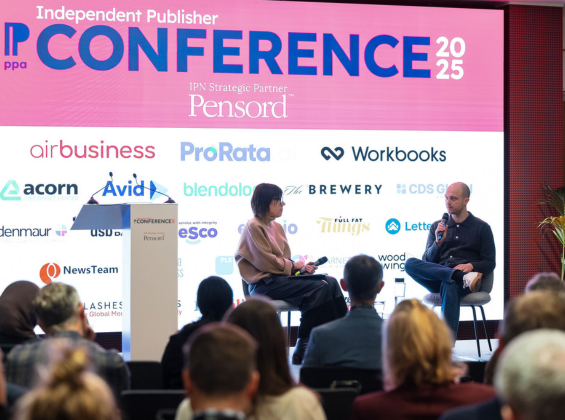
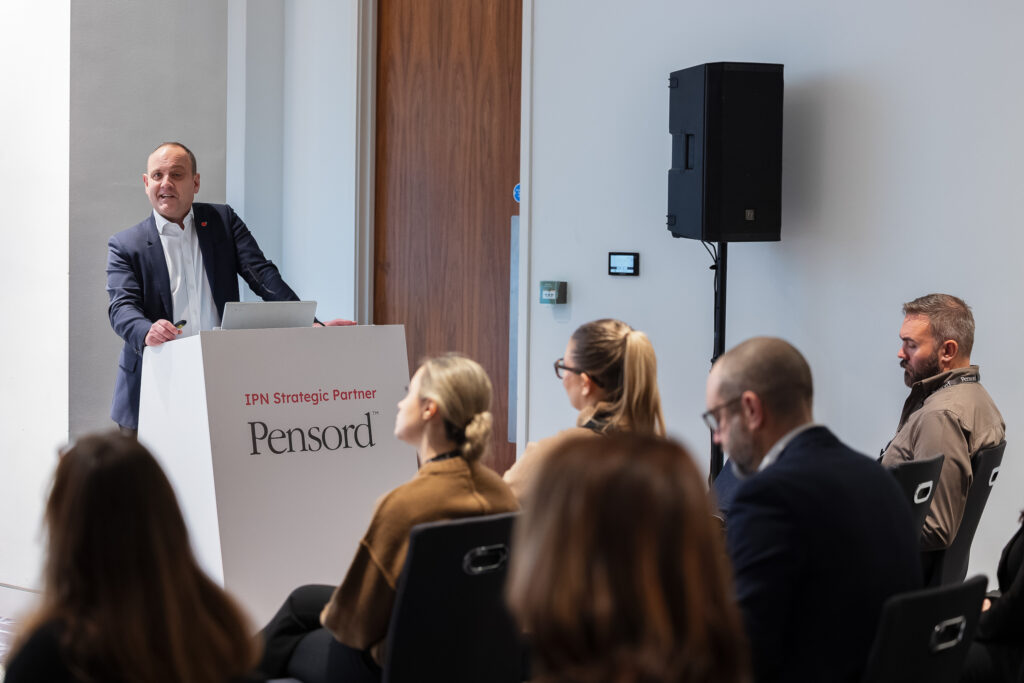
    This session, from the 2025 PPA Independent Publisher Conference, offered practical lessons on technology to shift from reactive selling to proactively creating opportunities.

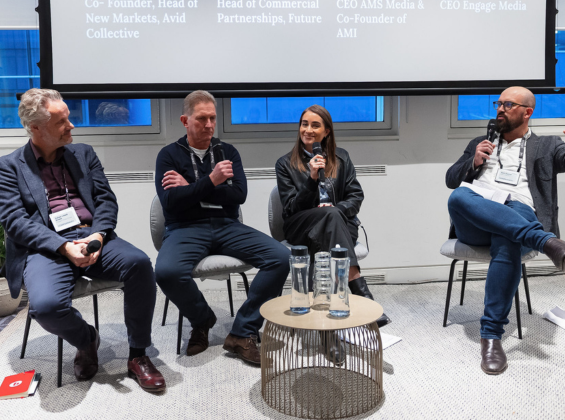
    Speakers
    • Charlotte Foord, Head of Commercial Partnerships, Future
    • Julian Lloyd Evans, Chair, Engage Media Group
    • Tom Gunter, Co-founder, Avid Collective
    • Paul Phelps, Chief Executive, AMS Group

    Listen to the audio from the session, and read the key takeaways below


    PPA members have access to extensive resources that aren’t publicly available. If you’re a member, browse our resource hub. If you’re not a PPA member, here’s how you can get in touch and what you’re missing out on.

    PPA event delegates also receive post-event content, including write-ups and key resources. You can view our events here. And, make sure you sign up to our newsletter and event updates here.

    Key takeaways

    Storytelling demands the right media partners
    When brands want audiences to engage emotionally and take meaningful action, they need media partners capable of delivering depth and creativity. Partnerships that incorporate storytelling, not just reach, are becoming essential, and agencies are actively seeking genuinely innovative, ideas-led solutions.

    Creative partnerships unlock unique possibilities
    There is a power of creative collaborations, especially when working with niche or mission-driven media brands. Partnerships can go far beyond traditional advertising, and in the case of The Big Issue, strategic collaborations have the potential to genuinely change lives as well as deliver brand outcomes.

    Niche at scale is a strategic advantage
    Foord explained how Future operates as a “scale play made up of niche brands”, giving them the ability to reach highly targeted audiences at volume. With a new centralised partnerships team, they can now Independent Publisher Conference 2025 bring multiple specialist brands together under one unified approach, ensuring campaigns are led by audience insight and aligned across the portfolio.

    Audience-led planning is reshaping commercial strategy
    Across the panel, there was clear agreement that audience understanding now sits at the centre
    of modern partnerships. Publishers who organise around audience needs, rather than channel or product, can deliver richer, more coherent, multi brand solutions that outperform siloed activations.

    Collaboration across the sector can drive bigger outcomes
    There is plenty of opportunity for publishers to think collectively. When media owners work together, they can offer agencies and clients greater scale, more joined-up storytelling, and bigger creative opportunities – the kind that individual brands may not achieve alone.

  • Owning your niche: building subscriptions through trust and loyalty

    Owning your niche: building subscriptions through trust and loyalty

    This session, from the 2025 PPA Independent Publisher Conference, dived into strategies for building subscription growth through audience trust and loyalty. Expect hands-on strategies you can take away to engage and convert your audience and build long-term loyalty.

    Speakers
    • Abi Spooner, Strategy Partner, Atlas
    • Athena Chrysanthou, Deputy Head of Newsletters, The Times
    • Emma Robinson, Head of Customer Experience, New Scientist
    • David Robinson, Group Senior Subscription Marketing Manager, Big Issue

    Listen to the audio from the session, and read the key takeaways below


    PPA members have access to extensive resources that aren’t publicly available. If you’re a member, browse our resource hub. If you’re not a PPA member, here’s how you can get in touch and what you’re missing out on.

    PPA event delegates also receive post-event content, including write-ups and key resources. You can view our events here. And, make sure you sign up to our newsletter and event updates here.

    Key takeaways

    Become a daily habit for your audience
    You need to create opportunities for your audience to interact with your brand at least once a day. If you’re able to give them a reason to make your content part of their habits and routines, they are more likely to stay loyal.

    Talk to your customers and collect data
    Understanding what your audience wants and expects is essential. You need to proactively collect feedback, especially from those who are at risk of lapsing. And utilise automations and dynamic content when your data shows specific users aren’t engaging.

    Your newsletter strategy can bring back lapsed members
    The Times demonstrated how different newsletters have different purposes – from being a shop window of your best content for cold audiences, to niche daily bulletins that are for subscribers – each newsletter should have its own strategy and audience.

    Focus on bringing your audience something new
    What can’t they get anywhere else? Quality over quantity is crucial here – you can make what you already have work harder for you by repacking archival content or go deep and create something bespoke.

    Global events provide new opportunities
    During the Pandemic, The Big Issue introduced a subscription model as traditional purchasing from vendors wasn’t possible. It’s proven successful and allowed the brand to continue diversifying with new products and forge deeper connections with their audience.


  • Audio: The next wave of discovery – finding audiences beyond search

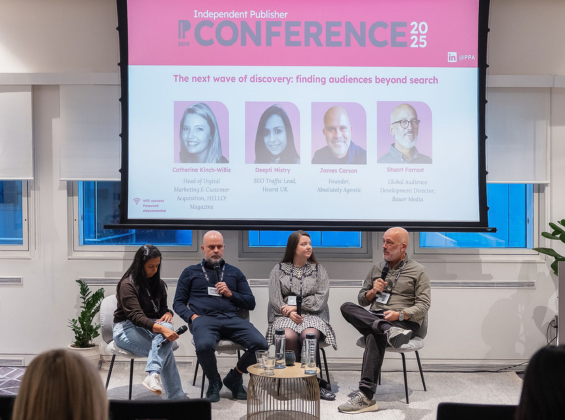
    Audio: The next wave of discovery – finding audiences beyond search

    This session, from the 2025 PPA Independent Publisher Conference provided practical insights on the evolving role of search, from SEO to AI-driven recommendation engines, and beyond Google to the other channels shaping audience acquisition.

    Speakers
    • Catherine Kinch-Willis, Head of Digital Marketing & Customer Acquisition, HELLO!
    • Deepti Mistry, SEO Traffic Lead, Hearst UK
    • James Carson, Founder, Absolutely Agentic
    • Stuart Forrest, Global Audience Development Director, Bauer Media


    PPA members have access to extensive resources that aren’t publicly available. If you’re a member, browse our resource hub. If you’re not a PPA member, here’s how you can get in touch and what you’re missing out on.

    PPA event delegates also receive post-event content, including write-ups and key resources. You can view our events here. And, make sure you sign up to our newsletter and event updates here.

    Key takeaways

    Own your audience to build resilience
    Publishers can no longer rely on Google as the gatekeeper of discovery. The focus now is on building audiences they truly own through newsletters, communities, subscriptions, and referrals. HELLO! highlighted the power of channels that grow alongside word of mouth, while stressing the importance in shifting goals from visibility to engagement. Resilience comes from reducing dependency on any single platform and nurturing loyal audiences who choose to return.

    Authenticity and expertise beat perfection
    The next wave of discovery favours real, expert-led content over polished production. Research and authority are key differentiators, and speakers noted that content doesn’t need a professional studio – just authenticity and a personal connection. Creators and non-traditional voices can drive reach if trained and empowered. The brands that win will feel human, credible, and relatable.

    Discovery is evolving – don’t resist it, adapt
    Search isn’t dying – it’s transforming. Generative Engine Optimisation and AI are changing how audiences find content, but not the need for trusted brands. Use AI for efficiency, not replacement, and reinforce the power of diversification – multiple channels that complement each other. The future isn’t about chasing the algorithm, but optimising for understanding, engagement, and long-term loyalty.

    Treat new platforms like partners
    Growth on new platforms won’t come from simply uploading content, it requires understanding what each platform values and positioning yourself as the kind of publisher they want to promote. Focus on what you can control: the share of audience you reach, the format they engage with, and how you build relationships with platform teams. Treat them like retail partners – ask what excites their users, adapt your formats, and stay open to their new offerings. Growth may be slower, but strategic collaboration opens the door to long-term visibility and trust.

    Measure depth of engagement, not just reach
    Audience health is about how valuable and loyal your users are. Focus on metrics like average revenue per user, subscription journeys, newsletter conversions, and watch time rather than just views. The strongest publishers build relationships across platforms and track where real value is coming from, including paid views. Prioritise engagement and revenue per user over raw traffic to grow sustainably.

  • The House of Lords’ committee publish AI and copyright report

    The House of Lords’ committee publish AI and copyright report

    The House of Lords’ Digital and Communications Committee has published a report making a series of recommendations to the government about AI and copyright. Of particular interest to the PPA, it has urged the government to:

    • Rule out a broad commercial  Text and Data Mining (TDM) exception
      The Government should not weaken copyright protections or introduce new exceptions for AI training – following the Australian government’s example, publicly ruling out this approach.

    • Publish a clear policy framework
      The Government should finalise its approach to AI and copyright within 12 months, prioritising the long-term health of the UK’s creative industries and domestic AI sector.

    • Enforce transparency requirements
      The report recommends implementing statutory transparency obligations for large AI developers, supported by a regulatory body to enforce compliance, ensure meaningful disclosures, and facilitate effective licensing and enforcement.

    • Focus on creating market conditions
      The Government should prioritise creating conditions for a thriving licensing market rather than relying on a single marketplace initiative like the Creative Content Exchange (CCE).

    • Support diverse licensing models
      Develop a licensing ecosystem accessible to rightsholders and AI developers of all sizes, including collective licensing schemes.

    The Government must formally respond to this report, addressing the recommendations, within two months.

    In the meantime, the Government must fulfil its statutory obligation to update Parliament on its progress regarding AI and copyright by Wednesday 18 March, including the publication of an economic impact assessment. However, reports in the Financial Times suggest the Government is unlikely to propose immediate legislative or regulatory changes, opting instead to announce further consultations on these issues.

    The PPA continue to engage with government and regulatory stakeholders on these matters, and is collaborating with coalition partners on the MakeItFair campaign. To speak with our team about AI and copyright, please contact eilidh.wilson@ppa.co.uk

  • PPA submits response to the BBC Charter Review consultation

    PPA submits response to the BBC Charter Review consultation

    The PPA feels strongly that the unique function of trusted editorial brands must be protected. Within the creative ecosystem, we maintain that the BBC should continue as a generalist, whilst drawing on the expertise developed by specialist publications when audience demand requires.

    Eilidh Wilson, Head of Policy & Public Affairs, PPA commented: “In an age of misinformation, specialist publishers have the expertise and brand trust necessary to cut through to audiences. Misinformation will not be prevented by any singular trusted institution, but by a rich, plural media system informed by numerous trusted institutions.”

    The core asks of the PPA’s response are:
    1. There must be a clear and unequivocal prohibition on advertising to UK audiences across all BBC public services.

    2. Ofcom’s duty to preserve media plurality should be linked to the Competition and Markets Authority (CMA) regulation of platforms’ algorithmic practices and establishing guardrails that protect those who create trusted content.

    3. Should a Public Purpose* for growth be introduced, it must include protections, including a specific duty for distinctiveness.


    *Public Purposes are the core objectives guiding the BBC’s service to the public, growth is not currently one. Find out more here.

    What is the BBC Charter Review?

    The Charter Review serves as the BBC’s constitution and mission statement. The Charter requires the BBC to act in the public interest, serving all audiences through the provision of impartial, high-quality, and distinctive output – and services that inform, educate, and entertain.

    As the BBC’s regulator, Ofcom monitor the BBC’s adherence to the framework set out in the Charter, including any market impacts on competitors. 

    The Review sets out four priority areas for the future of the BBC:

    • that it should be a trusted institution
    • deliver services for the public good
    • drive growth across the UK
    • receive sustainable and fair funding

    Within these areas, a variety of different policies are proposed for consideration.

    If you have any questions, please email the PPA’s Policy & Public Affairs Officer, Charlotte Jeffreys (charlotte.jeffreys@ppa.co.uk)

  • We need your input: LLM partnerships

    We need your input: LLM partnerships

    The Reuters Institute’s 2026 report indicates that only 20% of publishers expect licensing revenues from AI companies to be substantial, with half (49%) anticipating a minor contribution.

    However, with already evident implications of zero-click searches and further adoption of AI chatbots, we cannot accept that licensing deals will provide only marginal relief given the existing revenue pressures our industry faces.

    Your participation will directly inform the decision-making framework we are developing for PPA member businesses.

    Survey objectives

    Validate deal conditions for long-term sustainability

    Early data from major publishers reveals concerning patterns. While the average licensing deal is sizeable (estimated at £20 – £25m) we need comprehensive data to determine whether these agreements adequately protect publishers’ future revenues or merely provide short-term relief while underlying traffic and revenue losses accelerate.

    The PPA will not collect or request individual deal values or commercially sensitive terms. Any aggregated insights will derive solely from anonymised, non‑identifiable responses.

    Assess comparative impact on publishers who have entered deals

    We seek to understand whether publishers with licensing agreements are experiencing more or less audience migration to LLM interfaces compared to those without deals. This will help validate whether licensing partnerships offer protection against traffic displacement.

    Build evidence-based industry advocacy

    With limited transparency around existing deals, we need aggregated, anonymised data to strengthen our collective negotiating position and inform policy discussions.

    Your confidentiality is assured

    The survey focuses on high‑level, non‑commercial impacts rather than specific deal terms. We will not request or disseminate any information related to pricing, individual licensing negotiations, or future commercial strategies. All data will be anonymised and aggregated strictly for research and policy purposes.

    We anticipate the survey will take approximately 8 minutes to complete. Please respond by 24/02/26.


    Thank you for contributing to this essential industry research.

  • The value of newsletters in your content ecosystem

    The value of newsletters in your content ecosystem

    At the 2025 PPA Independent Publisher Conference, Chris Sopher (Co-Founder & CEO, Letterhead); Jessica Crouch Perry (Product Director, Condé Nast); and Mel McVeigh (Strategic Consultant – Digital Product, PPA) demonstrated how a strong newsletter portfolio amplifies your editorial voice, expands your owned audience, and unlocks commercial opportunities.

    Listen to the audio from the session, and read the key takeaways below

    PPA members have access to extensive resources that aren’t publicly available. If you’re a member, browse our resource hub. If you’re not a PPA member, here’s how you can get in touch and what you’re missing out on.

    PPA event delegates also receive post-event content, including write-ups and key resources. You can view our events here. And, make sure you sign up to our newsletter and event updates here.

    Key takeaways
    1. Newsletters can be your biggest traffic driver
      Newsletters give you direct access to an audience that’s actually opted in. It’s been two years since Condé Nast’s newsletter traffic overtook social, and for some brands it accounts for a quarter of all traffic.

    2. Most newsletters are too long
      Don’t try to do too much with one newsletter. Ask yourself, what is the purpose of this newsletter? Who is it going to, and what action do I want the to take? Different categories of content need their own newsletters and strategies.

    3. Newsletter sign-ups can convert into paying subscriptions
      Newsletters drive business (subscription, ads, commerce, and affiliates), and readers are four and a half times more likely to subscribe to the brand (for example, 10% of the New Yorker’s subscribers have converted from being newsletter readers).

    4. What works well for one audience won’t work for another
      To truly maximise the results, you need to be dedicated to providing what your audience wants. If you can’t answer why a newsletter exists, then it shouldn’t. Really tease out why they’re coming to you, and make it easy for them to see that you deliver on that.

  • Turning pages into profits: reinventing the print newsstand

    Turning pages into profits: reinventing the print newsstand

    Discover how innovative publishers are transforming the newsstand into a profit engine for themselves and retailers. This session, at the 2025 PPA Independent Publisher Conference, highlighted high-growth sectors, smart strategies, and real-world case studies. 

    Speakers: Ben Oakden – Managing Director, Marketforce; Duncan Shearer – Client Services Director, Frontline Distribution Solutions; Jon Bickley – CEO, Anthem Publishing; and Lauren Holleyoake – Publisher, Grazia, Empire, and Mojo.

    Listen to the audio from the session, and read the key takeaways below

    PPA members have access to extensive resources that aren’t publicly available. If you’re a member, browse our resource hub. If you’re not a PPA member, here’s how you can get in touch and what you’re missing out on.

    PPA event delegates also receive post-event content, including write-ups and key resources. You can view our events here. And, make sure you sign up to our newsletter and event updates here.

    Key takeaways
    1. Print is trusted, and audiences are returning to it
      Readers are coming back to the high street, and print continues to offer something digital can’t: a calm, trusted, inspirational experience that audiences actively seek out.

    2. Digital fatigue is creating new opportunities for print innovation
      Younger consumers are showing signs of digital overload. Publishers are responding with high quality, fast to-market products, from trend-driven bookazines (air fryers and fandom titles like Taylor Swift) to premium brand extensions.

    3. Bookazines are a major growth engine
      They’ve become the fastest-growing part of the newsstand: evergreen, high-value, and quick to produce. Quality matters, and consumers notice and pay for it.

    4. Strong brands and communities drive success
      ‘Big Brand Energy’ will define 2026. Publishers who invest in content and build communities, not just audiences, are seeing the strongest results. If it’s good, people will buy it.

    5. It’s not print or digital, its print and digital
      The most successful strategies blend both channels. Print delivers trust, discovery, and depth; digital provides reach and daily engagement. Used together, they create powerful and connected brand ecosystems.

  • New ways for independent publishers to monetise their content

    New ways for independent publishers to monetise their content

    At the 2025 PPA Independent Publisher Conference, Tracy De Groose (CEO, William Reed) and Jack Davenport (Co-founder, Goalhanger) sat down to discuss how to monetise content across every format.

    We heard how Goalhanger, a proudly independent, new-generation, cultural media brand built on trust, not trends, has fostered loyal communities by adapting and diversifying their business – reaching an audience of tens of millions each month, whilst staying true to their vision.

    Listen to the audio from the session, and read the key takeaways below

    PPA members have access to extensive resources that aren’t publicly available. If you’re a member, browse our resource hub. If you’re not a PPA member, here’s how you can get in touch and what you’re missing out on.

    PPA event delegates also receive post-event content, including write-ups and key resources. You can view our events here. And, make sure you sign up to our newsletter and event updates here.

    Key takeaways
    1. Prioritise value and engagement over volume
      Independent publishers should focus on creating content that truly adds value to their audience, rather than forcing themselves into existing relationships. For podcasts, success isn’t just about big numbers; it’s about quality engagement and meaningful connections.

    2. Be platform agnostic and data-informed
      Discovery and audience management are crucial. Publishers should use data to understand what audiences want, learn from subscription models, and remain flexible across platforms to maximise reach and impact.

    3. Build relationships, not just sales
      Sales teams should prioritise long-term relationships with brands and agencies, investing in creative campaigns rather than simply selling products. Monetisation evolves through experimentation, and strong partnerships can amplify both revenue and audience loyalty

    4. Goalhanger is ad-funded
      But not to the detriment of the audience or content. Their strong talent engagement and relevant integrated ads complement the experience. Ensuring the business is financially viable, and offers immense value to advertisers who want to connect directly with Goalhanger’s audience.
  • Business leader spotlights: how to truly impact your business

    Business leader spotlights: how to truly impact your business

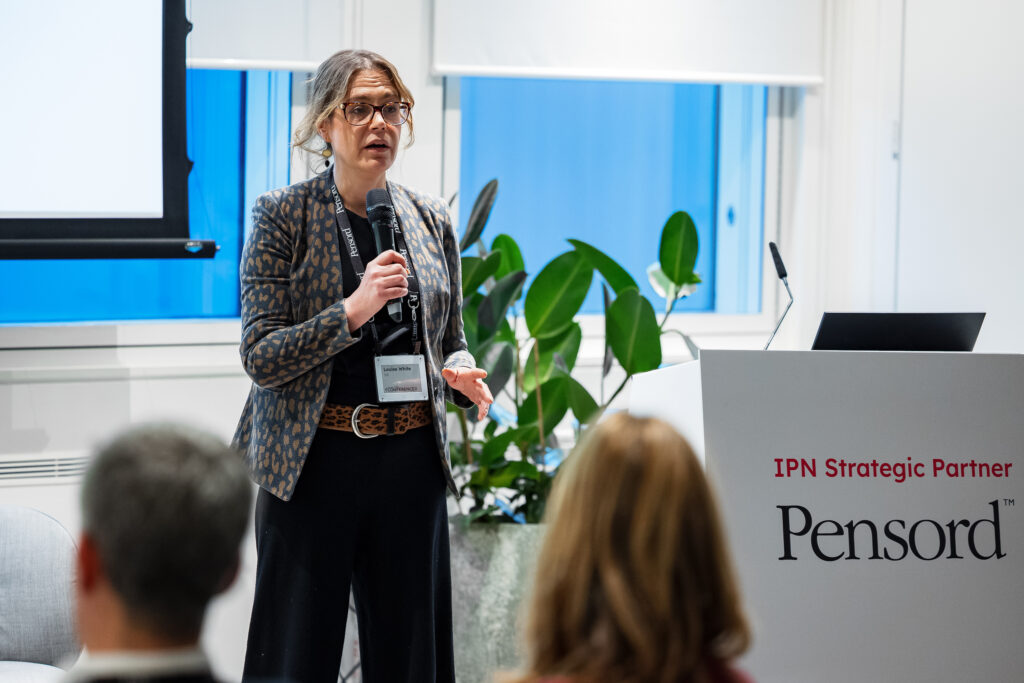
    At this year’s PPA Independent Publisher Conference, business leaders in the sector shared an example of one change in their business that delivered real impact, enabling delegates to come away with concrete ideas to adapt and apply to their operations. Read the key takeaways below.

    Adopt an infinite mindset”

    Tracy De Groose, CEO, William Reed

    The foundation of growth starts with why – you need a unifying vision and purpose. Move beyond a finite mindset and identify your “category of one”, the unique strengths that set an organisation apart.

    Trust is imperative in bringing people with you, and flexibility and agility in how businesses respond to change is essential.

    Breaking silos builds stronger businesses”

    Ludovica D’Angelo, Director of Publishing Operations, Total Politics Group

    Silos exist everywhere; they can sit between teams, desks, and even mindsets. Real change comes from building trust and making collaboration part of everyday work.

    People in a company are like neurons in the brain – they only work if you connect them. When empathy, humour, and determination lead the way, resistance turns into innovation, ideas flow, and work becomes easier (and more enjoyable).

    Stop chasing rainbows

    Jon Bickley, CEO, Anthem Publishing

    Print and the newsstand can be a fundamental USP for publishers. As AI and algorithms threaten to strangle online, Anthem has reasserted print’s place at the heart of the business.

    He explained how Anthem now structures itself around two clear divisions: Engagement Brands, covering traditional regular magazine brands rich in print, digital, subs, ads and social, and Retail Brands, which drive the vast majority of income from single copy sales, with a strong emphasis on bookazines.

    Bickley also emphasised the ongoing strength of the English language in enabling publishers to reach customers and partners around the world.

    Bickley also emphasised the ongoing strength of the English language in enabling publishers to reach customers and partners around the world.

    The 80/20 rule: focus where it matters”

    Justice Williams MBE, Co-founder & Editor-in-Chief, Black Business Magazine

    We’re in the people business, we’re in the relationship business – what if 80% of your revenue could come from 20% of your clients? Think about the 20% that are the wealth creators in your business – this is where influencers do something that we can learn from.

    You see, influencers don’t chase everyone. They build an audience, a reputation, and a relationship with brands and partners who can fund their vision. You all have a personal brand, it’s what people say about you when you’re not in the room, and so are you networking? Are you building your visibility for the brand that you represent?

    Stay focused on your vision, and think about what brand partners, who share your values, could potentially fund it.

    Sustainable success comes from pricing power, not just sales”

    Louise White, COO, Sift

    Cutting costs, selling more, and increasing prices are all levers for growth, yet most leaders only focus on selling more. The quiet advantage comes from creating enough value, trust, and differentiation that price becomes flexible. Create a business model which allows you to raise prices with confidence – by 15% per year. It may seem unglamorous, but it works.

    Sustainable profitability often starts with the ability to charge more – because you’ve earned the right to.

    Make the bold move early”

    Mark Beard, CEO, Prospect

    The first truly pivotal move we made in becoming a modern multi-channel media company was to give Prospect a presence on Apple News. And since then, we’ve never looked back. Our journalism is featured regularly and prominently across the platform.

    Perhaps the biggest surprise though, was the breadth and the depth of the content that has proved popular. So much of the content that’s popular on the Apple News platform is very different to the types of content that’s popular on our own website.

    Before, Prospect had absolutely no readership in the US. They now have a million Americans engaging with Prospect content every month. Apple News has helped grow their ABC audited circulation to 40,273, which is the highest circulation in Prospect’s history.