Category: Industry Voices

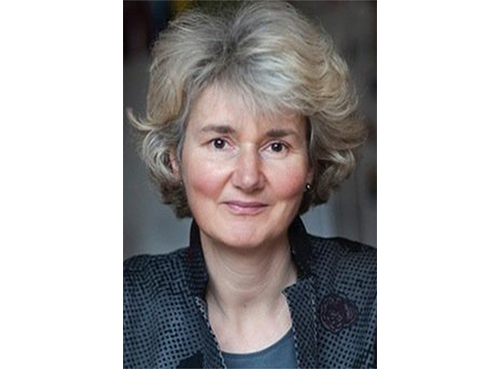
  • Fiona Godlee | Editor-in-Chief | The BMJ

    Fiona Godlee | Editor-in-Chief | The BMJ

    What made you want to work in the publishing industry?

    I am a doctor by vocation and training, so I didn’t think of myself as getting into the publishing industry. I was drawn to the clinical and medical journalism aspect The BMJ when a job came up on the journal for a year.

    Chart your career from the start to where you are now.

    It was initially a one-year editorial registrar job and then the plan was to head back into general hospital medicine. They asked me to stay on and after a second year I realised how exciting, interesting, broad and challenging it was.

    You were the first female editor of BMJ – how has it changed during your editorship?

    The BMJ has always been unusual in that its big focus for many years has been on readability, accessibility and reaching out to clinicians around the world, so we are not just a dry academic journal but should also be a pleasure to read. When I inherited the journal in 2005, we had a print and online offering. Over the last 15 years we have really established The BMJ as an almost entirely digital journal, with most of our readers outside the UK and a global readership of 2 million unique users every month. The weekly print magazine journal is a crucial part of our UK offering, going out to 120,000 doctors every week and has a very important role as part of the BMA membership benefit, but all of that content is on the website, along with a lot more. The other thing we have done is really grown our journalism, especially our investigative journalism, and we have brought professional journalists onto our team both as staff and freelancers.

    What is the balance between academic and journalistic articles?

    We put equal effort in on both fronts. On the academic front, we are a high rejection rate research journal and publish under 4% of our submissions (around 200 articles a year). They take a lot of work, care and scrutiny so while the volume of articles is smaller, the volume of work is not. With our journalistic articles, we have news, features, briefings and opinions that we feature every week but it’s important to keep the balance. If the journal went down an entirely journalistic route, it would not be taken as seriously as an academic journal.

    There are lots of moving parts to The BMJ – how have you managed all of these parts remotely as Editor-in-Chief?

    Yes, The BMJ has lots of moving parts, each with different time scales. Research goes through an intense peer-review and publication process, which can take 6 weeks to 6 months. Academic commentary and education articles have a similar process. Then we have editorial commentary which takes days or weeks. The journalism is short and long form alongside news and opinion. Each of the cogs has its rhythm. In terms of managing all of these moving parts remotely, we were already an international group of editors, so we had everything in place before COVID. The big issue was getting the print journal out remotely which we hadn’t done before. The team has been amazing and having shown that we can do this, it will change how we work in the future.

    Has the pace at which you have to produce and publish research articles sped up over the course of COVID?

    We have had a huge increase in submissions for both academic and non-academic sections and the team has had to filter stuff at a greater rate with proper scrutiny. We haven’t had to retract anything. Our job with the research is to say, is it relevant to a wide general medical audience and will it help to change and improve practice? Is it valid? Is it good enough? It has been an extraordinary time because the whole clinical and academic community have all been focussing on the same thing.

    Will you be carrying forward any good practice which you have established over the last few months?

    I think like all publishers, we have wanted to respond to Black Lives Matter. We have been looking at ourselves, our staff and ensuring that we have good policies and practices in place and that we are listening to staff from black and ethnic minority backgrounds. We are also looking at the authorship of our articles and the editorial boards to try and get a handle on how well we are doing in terms of representation and diversity.

    The other thing has been about data openness. Academic publishers have come together to make sure that content related to COVID is freely available. We were already making our research content free and we have had a long tradition of pushing for transparency, so this global initiative felt very natural to us.

    How have you managed to cover areas of other than COVID?

    It is fair to say that everything became COVID over the last few months, but we have started to return to a bit of normality and individual sections are gradually restoring their wider coverage.

    What’s on your radar?

    The big thing that should be on all our radars is climate change, how the publishing industry can respond and whether there is a post-COVID post-carbon society that we can help to build. It is a specific issue for healthcare, which has a very large carbon footprint. We are also looking at ways to help as a publishing company, by using starch wrappers and reducing the size of the print journal.

    What magazine would you stockpile?

    The book review section of the Guardian and The Spectator.
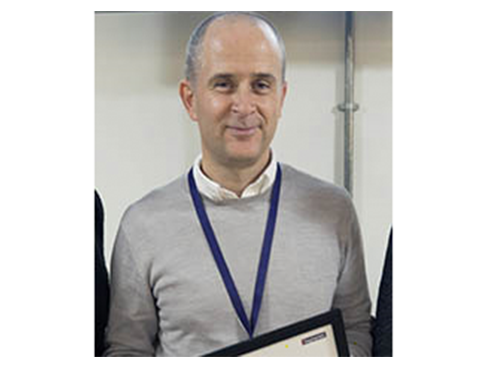
  • Gary Charlton | Head of Procurement | Haymarket Media

    Gary Charlton | Head of Procurement | Haymarket Media

    What made you want to work in publishing?

    I always wanted to work in media, particularly magazines, and attended the London College of Communication. When I started out there were lots of opportunities in publishing, at both large and small publishers. I really enjoyed working in production, and I loved magazines. Publishing and media has changed considerably, but it’s never been a decision I have regretted.

    Chart your career from the start to where you are now.

    I started work at a small publishing company that produced a number of magazines and live events. They had a vacancy for a production controller, and I stayed for a few years and managed the department. I then joined Haymarket, as I wanted to work for a larger media company, and went on to manage various production departments prior to becoming Head of Production. As part of that remit I was lucky enough to project manage the production element of the programmes for the London Olympic Games that Haymarket were contracted to produce by Locog. A large part of my role as Head of Production was managing suppliers, including running tenders. As Haymarket’s business changed so did my role, and I began to manage other procurement processes. I subsequently joined the Chartered Institute of Procurement and Supply (CIPS) and followed the educational route to achieve MCIPS.

    Can you explain what your role entails as Head of Procurement at Haymarket Media?

    We work with departments to support their procurement and supplier management processes – this can include competitive processes to choose new suppliers, managing existing suppliers, or renewing contracts. It’s a varied role with lots of different elements, and it means I still get to spend some time with our traditional suppliers, as well as learning about and supporting our changing requirements for all the different parts of the business. I also get to work with our supply chain and different departments on Haymarket’s sustainability agenda, Haymarket Sustain.

    What are the key pillars of Haymarket Sustain?

    Sustainability is something that is central to how Haymarket operates. It’s been a priority for a long time – our facilities team helped us to become the first UK publisher to gain ISO 14001 environmental management accreditation, and we also have now added the ISO 50001 energy management accreditation. We view sustainability under the three-pillar concept of social equity, economic sustainability and environmental responsibility. This wider understanding of sustainability provides a greater opportunity for collaboration and involvement from other departments, such as the innovations around diversity and inclusion, mental health and wellbeing and also work with local communities and our charity partnerships.

    Explain the evolution of Haymarket Sustain, from launch to where you are now.

    The initial focus for us was on the environment, and as well as the ISO accreditations, our production team worked hard to make sure all the paper we use is from a sustainable source, and that our supply chain had environmental management processes in place. We subsequently came to view our work in terms of social equity and economic sustainability as central to our sustainability focus. This includes the work with our local community, such as working with a local charity and educational partner. The work done is a team effort with lots of different departments contributing to its success.

    In our PPA Live! webinar you spoke about developing Haymarket Sustain into a global initiative – what would this look like?

    This is really about collaborating with our global offices to share the work they are doing and the ideas they have to see if there is something we can learn from and develop our own approach to sustainability. Longer term we’d like to see where we can develop a global outlook and framework, so that we can utilise the best ideas, and aim for bigger, broader targets.

    What does it mean to win the inaugural PPA Sustainability Initiative Award?

    We are all absolutely delighted to be the inaugural winners. The best part is that it is recognition of all the amazing work and ideas that the different teams provide. The facilities team have done an amazing job of maintaining and improving our sites and have lowered energy use and improved recycling year on year; the production team has worked really hard with our suppliers on removing single-use plastics wherever they can, and the HR and L&D teams have worked on improvements and initiatives to make Haymarket a great place to work that all its employees can be proud of. Everyone has played a part and they hugely deserve this success.

    What’s on your radar?

    The main focus for procurement at the moment is the changes to our supply chains due to Covid-19. We have audiences in different areas such as print, live events and digital and we are focused on making sure that we can provide the same level of service and that we have the best suppliers to do so.

    What magazine would you stockpile?

    Empire! It was the reason I wanted to work in magazines. I collected every issue from issue 2 onwards (1989 – Original Batman film on the cover). Then I realised that this was completely pointless as I had hundreds of boxes that I had to move around with me and I didn’t really know why, as I never looked in them. It still broke my heart to throw them away, but probably saved me from some back pain in the future.

  • Rob Attar | Editor | BBC History Magazine & History Extra Podcast, Immediate Media

    Rob Attar | Editor | BBC History Magazine & History Extra Podcast, Immediate Media

    What made you want to work in the publishing industry?

    I always wanted to be a writer and at university I started doing some stuff on the student newspaper and that pushed me down that career path.

    Chart your career from the start to where you are now.

    I did History at Bristol University and then did a postgrad in Magazine Journalism at Cardiff. When I was there, BBC Magazines were doing a scholarship scheme where they were offering a scholarship place to somebody on the course who would get a job afterwards at BBC Magazines. I was a runner up so I got a three month internship there. They knew I had an interest in History and so I was put on BBC History magazine. I have been there ever since 2004 and done various job roles until I became Editor 8 years ago.

    When and why did you decide a podcast would be a good extension for the BBC History Magazine brand?

    We launched it in 2007 and I should qualify that at the time I was still quite junior. The Editor then, Dave Musgrove, had the idea. He has always been very innovative and keen to try out new things and we saw this new medium existed and that it was getting quite a lot of traction. It was the attitude that he and the brand have always had that if there is an opportunity, lets give it a go and see if it works. Right from the start there was clearly an audience for the podcast, so we developed it.

    How has the podcast evolved since its launch in 2007?

    The basic concept has stayed the same, where we interview historians about a range of different subjects. We have always kept ourselves in the background and put the historians front and centre of each episode. The frequency has changed as we used to do one episode a month but now we do up to five a week.

    What additional value does the podcast bring to the BBC History Magazine brand?

    In a more tangible sense, it brings us revenue but its value goes a lot further than that. It’s a great marketing tool for us. It brings the brand to people all over the world and it gives us a way to talk to our listeners for hours every week. Our magazine sales went up a lot after the launch of the podcast and although you can’t prove they are connected, I would be surprised if there wasn’t some kind of correlation, especially in terms of our non-UK sales as a lot of our podcast listeners are outside the UK. We can also use podcast content in other ways, running pieces in the magazine or using them for web features.

    What are the listener figures?

    A standard episode would probably be listened to up to 100,000 times and in a month, we are getting close to about 3 million listens in total, which includes our new episodes and our back catalogue.

    Do you think it will become, if it isn’t already, a necessity for a magazine brand to have a podcast?

    It depends on if it works for that brand. Doing a podcast is a lot of work and it takes up a lot of time and costs money. A lot of magazines launch podcasts which get very little traction so in that case is it the best use of their time? It may be fair to say that every brand should at least try it because you never know until you launch it whether it will work.

    What is it about the History Extra podcast that enables you to cut through the noise of all the podcasts out there?

    We had the unfair advantage of launching early so there wasn’t much competition and we were able to build up a strong listenership. Things that help are having a big brand or a celebrity involved as I think you need something that will grab people. It also needs to be something that has an audience that isn’t already overserved, so find a niche where there is more demand than there is supply.

    What does it mean to be the PPA Podcast of the Year?

    I personally think The PPA Awards are the most important in the industry and I have always wanted us to win one. To win the inaugural podcast one is fantastic because nobody else can say they have won it! There were some really great podcasts up against us and it’s fantastic validation from people who really know the industry and understand the pressures we are under and what we are trying to do.

    What’s on your radar?

    There are so many people listening to podcasts and we are no longer the only general interest history podcast out there now. Entry barriers to launching a podcast are pretty low as all you need is a microphone, a laptop and an idea. For us, the challenge is keeping our podcast fresh, maintaining our position, make sure what we are doing is high quality and that our listeners keep listening.

    What’s your favourite podcast?

    Serial. It really transformed podcasting. They had a really good story and had editors, producers and journalists who are at the top of what they do. It was brilliantly scripted, and I haven’t heard a podcast like it since.

    What magazine would you stockpile?

    Private Eye. It gives you another perspective on society, culture and news in a rigorous way and their journalism is as good as any newspaper.

  • Claire Hodgson | Editor-in-Chief | Cosmopolitan, Hearst UK

    Claire Hodgson | Editor-in-Chief | Cosmopolitan, Hearst UK

    What made you want to work in the publishing industry?

    I don’t think I could pick a start point. I remember reading Smash Hits, Bliss and Sugar as a child and then Cosmopolitan in my teens and twenties. There was nothing else I ever really wanted to do.

    Chart your career from the start to where you are now.

    I moved to London when I was 21 and went through stints of work experience and unemployment before I got a job at the lads mag, Zoo. I had a brilliantly supportive Editor when I was there who gave me lots of opportunities. I moved to the Mirror to work as an online entertainment journalist and then in 2014 I landed my dream job as senior digital writer at Cosmopolitan. I have been here for six years now and feel incredibly lucky to have had such supportive managers and colleagues.

    Last April you became Cosmopolitan Editor-in-Chief – what was at the top of your to-do list when you took over the reins?

    It was just to better use the tools at our disposal. Historically magazines have had to rely on circulation figures and focus groups for audience feedback and Cosmopolitan has an average audience of over 16 million users that come to the site every month and 5.4 million social media followers. We can poll our audience, see what they are reading, buying and searching for. The data is endless. I wanted us to utilise that reader feedback to enhance the way we are working and the content we produce so that we can better serve our consumer.

    You spoke of an ‘evolution not revolution’ when you took over Cosmopolitan, expanding it more as a brand rather than just a magazine. What stage is that evolution at now?

    A good place. We hit 19 million monthly global users on the site this year which I am very proud of. After the redesign last year, we have hit our stride with what we are doing in print. One of my favourite facts is that contributions from our former print-only writers have brought in 17.3 million users to the site over the last year which is up 1000% from the year before. In tandem with that, our former digital-only writers have been contributing to print as well. They’ve been using their data insights and trend analysis to make content even stronger. Our content and our resources are travelling a lot further and working a lot harder. Evolution does not stop however, and I don’t have an end point. I worked in digital for about 10 years and I think that really sets you up to embrace change and run towards it rather than run away from it.

    What drives editorial decisions around who you feature on the cover? Such as the historic Jonathan Van Ness cover.

    So many things, but ultimately the reader. I see it as my job to be in all the places our reader is. I’m looking at what artists are being danced to on TikTok, what shows are trending on Netflix, what celebrities are behind the big spikes on the website and who is driving engagement on our social platforms. We use a whole load of reader-focused data points to inform our editorial decisions but I am also a big believer in layering my gut feeling and brand experience on top of that, along with Cosmo team collaboration and input. You can get very swept up in the now and the data, but it is also important to take a step back and trend forecast for the future.

    What kind of engagement did the Jonathan Van Ness cover receive?

    That cover had such huge industry recognition and PR coverage, but it was never a PR stunt for us. It was for our readers and to make them smile. It was our January issue which came out in December and we wanted it to be this party moment of inclusivity and joy. The cover-break post on Instagram hit 10,000 shares and 8,000 interactions within a few hours, which surpassed any previous cover post engagement. The most important thing for me was the reader feedback we received from it as it’s those comments and stories that bring things to life. We had people saying that “It’s so good to see a magazine and team using their voice for a positive message,” and “This is brilliant. I wish a magazine had the guts to do that when I was younger.” Jonathan also said he was grateful to us for “showing more variations of beauty for young LGBTQ+ people.”

    What does it mean to win PPA Front Cover of the Year, for the second year running, with the Jonathan Van Ness cover?

    Myself and the whole team are just thrilled. We are all so proud of this cover and what it has represented to our readers, particularly those in the LGBTQ+ community. As I said, this cover was always about our audience, so their vote feels like the biggest seal of approval any Editor could ask for. Cosmopolitan prides itself on championing inclusivity and positivity and this feels like a win for both.

    What is your favourite cover as Editor so far and why?

    Jonathan’s cover would be up there. The Jordyn Woods cover which was my first cover as Editor will always hold a special place in my heart. That was a great example of how we can use data to inform a cover as it went on to make headlines everywhere and was one of the best-sellers of last year. I also really adore our Little Mix cover which we had in May. I wanted the vibe to be Spice Girls on the cover of Smash Hits, full of energy and fun! They are a perfect cover star because of what they represent as a girl group, standing up to body shaming and racism and being a champion of feminism. Each cover always teaches you something new that you can take onto the next one.

    What has been the highlight of your career so far?

    Working through this pandemic has been incredibly tough. I don’t think I have ever been prouder of the Cosmo team. They are scrappy, creative, resourceful, so hard working and inventive. There aren’t enough adjectives for me to use. Their ingenuity over the last few months has been astounding but does not surprise me at all. That has been a huge highlight for me.

    What’s on your radar?

    I have been thinking a lot about how Cosmopolitan can continue to be a champion for change and a place of positivity in the industry and for our readers. Now more than ever I keep coming back to the very definition of Cosmopolitan being free from prejudice, intrinsically multicultural and proud to be made up of people and places from all around the world. Diversity and representation have always been so important to me and using our platform to give a voice to underrepresented communities and people. The last few weeks have reiterated that there is so much more we can do.

    What magazine would you stockpile?

    I love reading our global editions and seeing how our brand translates around the world. I love buying and supporting magazines like gal-dem, Girls Club and Sister. I have so much admiration for the teams running those publications. Their work is fearless, smart and opinionated and I love seeing that rising talent coming through.

  • Will Nightingale | Reviews Editor | What Car, Haymarket

    Will Nightingale | Reviews Editor | What Car, Haymarket

    What made you want to work in the publishing industry?

    I was midway through an IT-based degree before realising I did. It suddenly dawned on me that spending my entire working life in front of a computer screen didn’t hold much appeal.
    I’d enjoyed writing for as long as I could remember and loved cars (I was obsessively reading car mags before I was 10), so I just thought I’d try combining the two things and see if I was any good. Turns out I wasn’t terrible, or I probably wouldn’t be writing this now.

    Chart your career from the start to where you are now?

    I was fully prepared to do a journalism postgrad (PPA accredited, of course) after I finished my bachelor’s degree. But I signed up for a few work experience placements, first at DMG Media and then at Dennis (Auto Express), plus I started writing for a small website called Car Enthusiast around the same time. Then my fourth and final unpaid job was at Haymarket (they are paying me now). By then I’d had a few stories published, so I was trusted to help with more important jobs, including some driving. By chance, a job on the consumer desk came up at the end of my first week and that was my foot in the door. 13 years later and I still haven’t left. I’ve worked for Autocar during my time at Haymarket, but I’m now back solely with What Car?.

    What is your role as Reviews Editor at What Car?

    I manage a fantastic team responsible for producing all of the written and video review content for What Car? magazine and whatcar.com. We cover new car launches, both in the UK and (in normal times) abroad, and we also write and film comparison tests – always with the consumer forefront of mind. We invest an enormous amount of time (and money) in making sure there’s real science behind all of the information we provide, whether that’s how many miles to the gallon a car can do in the real world or how reliable it’s likely to be.

    Believe me, the truth often does get in the way of a good story at What Car?. But the story still needs telling in an interesting, passionate way to keep the reader engaged and informed. That’s a real challenge but it’s something that, on the whole, I think we’re pretty good at.

    How has What Car? consumer behaviour changed over the course of the last three months?

    The vast majority of our content is geared towards helping people buy the right car, and when car sales plummet (as they did by 97% in April) it’s hardly surprising that fewer people visit our website and buy our magazine. The same thing happened during the last financial crisis albeit on a much smaller scale. Fortunately, there’s already been a big rebound since the easing of lockdown restrictions, and the fact that some buyers are understandably more reluctant to visit dealerships and take test drives at the moment has made our reviews even more valuable.

    How has What Car? reacted and adapted to keep readers engaged?

    Producing COVID-specific content has certainly helped, not least because of all the confusion around MOTs expiring during the lockdown, or what to do if you’d ordered a car that you weren’t allowed to collect or could no longer afford. We also dug deep into our archive to keep readers entertained with stories from yesteryear.

    That got us through to the point that we could start testing and reviewing cars again and now, thankfully, traffic to our website is up significantly compared with this time last year. Mag sales are improving, too. There’s certainly pent-up demand for new cars; I just hope we’re over the worst of it and no more strict lockdowns are needed.**
    **

    You spearheaded Haymarket’s new COVID car testing guidelines – can you explain what these are and why they’re important?

    Car testing is fundamentally important to Haymarket’s business, so that was a big factor in us wanting to get back to a ‘new normal’ as quickly as possible. We also felt a duty to help car buyers at a time when private car use was/is being actively encouraged to help reduce crowding on public transport. A few weeks ago taking a test drive wasn’t an option, and even now it is, many – particularly older and vulnerable buyers – would rather not take the risk.

    We knew we’d only be able to get back to reviewing cars if the job could be done with a minimal risk to everyone involved – including the manufacturers prepping, delivering and collecting cars for us to test. That’s why we came up with a strict set of guidelines to show that testing could, with some restrictions, be done without breaking any of the government’s advice on social distances or exposing anyone involved to undue risk of becoming infected.

    Explain the process of putting together the guidelines – how long it took and the different steps.

    All of our decisions have been based on the science available to us. The way we tested cars before the pandemic was positively conducive to spreading Coronavirus, with journalists pairing up and frequently swapping between cars.

    First we did some learning, much of which came from research by the WHO and other science papers. After we knew as much as we realistically could about the way COVID was spreading and how best to prevent that happening, we were confident we could put together a set of guidelines that would allow us to restart testing while minimising (not completely eliminating) the risks.

    An example of this is allowing only one journalist in a car at any one time, but also santisising that car before it’s passed to someone else. We even have our own contract tracing system that allows us to quickly identify which cars anyone on the team has driven. If someone were to display COVID-like symptoms, everyone else who’d subsequently driven the same cars as that person would be asked to self-isolate.

    How will Haymarket’s new COVID car testing guidelines affect What Car?

    Testing cars takes time and the new guidelines, though absolutely necessary, make the whole process more laborious. There’s a strict limit on how many journalists can drive a car during any loan period, for example, which is far from ideal. The sanitising process takes around 10 minutes and we might need to process the same car four or five times in a day, including after the interior has been photographed or filmed. That extends what can already be a 12-hour shift (not all of that behind the wheel).

    But ultimately it’s worth it because it means we’re still able to produce content that we can be proud of and that helps car buyers make the right decision.

    What’s on your radar?

    Traditional revenue (i.e. mag sales) has obviously fallen over the years and continues to do so. We need to adapt and find new revenue streams to stay successful, and I think the most promising is our New Car Buying service. Essentially, we can put readers in touch with car dealers who are willing to sell at a fair, discounted price, so the buyer doesn’t have to personally haggle with a salesman. It’s going well so far but we’re aren’t the only ones doing it, so it’ll be interesting to see how the market develops over the next couple of years.

    Our YouTube channel is also starting to contribute a meaningful amount to the business and I think that’s another area we need to really focus on. These days, anyone with a camera and a bit of personality can compete with us on video views and on social media, and we absolutely must not assume our heritage alone is enough to win those battles.

    What magazine would you stockpile?

    What Car?, of course (I genuinely do have a stockpile from when I was a kid). But I have plenty of copies of Autocar, Car, Classic & Sports Car and Evo from the nineties and noughties, too.

    Away from the car world, Cyclist is always a good read – even though it makes me feel guilty for not getting out on the bike as much as I did before becoming a dad. If I’m taking a long flight, I’ll pick-up a copy of Private Eye or any golf mag that catches my eye at the airport. But my better half would make me throw out some my old car mags before adding to my stockpile, which I’d never do.

  • Lisa Smosarski | Editor-in-Chief | Stylist, The Stylist Group

    Lisa Smosarski | Editor-in-Chief | Stylist, The Stylist Group

    What made you want to work in the publishing industry?

    I made a decision when I was 14 that I wanted to be a journalist. I didn’t know in what capacity, but I made my subject choices at school and university based around what I thought would help me achieve this. I went to the London College of Printing and worked with a lot of ex-Fleet Street journalists, but it wasn’t until I was doing my dissertation that a Junior Writer job came up at Bliss that I considered magazines a realistic option. I landed that job on the day I handed my dissertation in and never looked back.

    Chart your career from the start to where you are now.

    I was Junior Writer at bliss for a couple of years and then went to a web start-up, mykindaplace.com, which was a portal for teenagers. There were very few team members, so I went in as Features Editor and then quickly got promoted to Editor. I learned a lot from going into digital journalism at that early stage but had more I wanted to learn from print so following that I went back to bliss as Features Editor and then moved to New Woman magazine as Entertainment Director. I landed the editorship of Smash Hits when I was 25 which was where I got to learn about the publishing and business side of magazines. After that I went back to bliss for the third time as Editor, then moved to edit more! magazine. I was at more! when I got the call about by Stylist, where I have now been for 10 years.

    You’ve been an Editor from an early age and throughout your career. How do you view the role of an Editor?

    My job as Editor is to listen to the audience, understand them as much as possible and to try and work out what they want – before they even know – then deliver the most original, high-quality content that we can create. We are translators. We have to know our audience better than they know themselves. But it’s a mistake to think we are the audience – even if we have things in common with them, like age, lifestyle or interests. As journalists and editors we have unusual lives and are privy to a lot of opportunities and information our audience will never see or know – we get to peek behind the curtains all the time. So I consider it our job to keep in touch with who our reader really is. For example, when I was Editor of bliss we had immersion days where I would get my team to go back to school for the day and hang out with the teenagers, ask them what they were listening to, what they were talking about and who they were messaging. It was never acceptable to say “when I was a teenager” because our readers’ experiences were so different.

    The Stylist Group CEO Ella Dolphin said in an interview recently that you have always been on point with how women are feeling and that Stylist has a very powerful connection to the audience. How have you maintained this powerful connection and understanding of the audience since it launched?

    We live and die by how well we know our audience and our readers are very vocal with us about what they like and don’t like. It is our job to listen. For me that’s also listening to the gaps or silences, and also to the throwaway comments. People reveal so much all the time but usually that’s not when they’re pitching you an idea or telling you what they want. The biggest compliment for me is when someone says: ‘I was thinking about that but hadn’t told anyone.’ I also love to watch people reading our magazine. On the Tube I look at the order people read our pages, where they linger or flick back to. Social media is also great for reading the room.

    During COVID, how do you spark that creative process and translate what the readers want?

    The spontaneous chat is one of the things I miss the most. So much of what we do comes from informal conversations, so we try to create little bubbles of time to recreate that office chat. I keep joking with my colleagues that I am going to have them in the corner of my screen all day, just to listen to what they are chatting about.

    What has it been like managing the shift from a print-focused workflow to a digital workflow?

    The biggest difference for the magazine is the design and visual process. One of the main things that is time consuming in the print process, is what is it the magazine going to look like? Our design is such an important part of the print experience – we are very visual. Normally, we sketch every page, and try different design executions which means we tend to have a couple of versions before we get to the final proof. We are using templates in our CMS for the digital edition so that removes the design process, but it puts a lot of creative pressure on the one individual image we are using to tell the story. As a team we love design so we are all looking forward to the print magazine coming back.

    *Do you have a date in mind for its return? *

    It all depends on the advertising market and footfall. As we distribute in major cities, where it is obviously very quiet at the moment, we are assessing different options for distribution but we are hoping to return in Autumn.

    Now that your readers are reading the magazine on an app, has the data revealed more about what is engaging readers?

    It’s really interesting being able to see all the data behind the magazine like the most popular features and the dwell times, but we are very data driven anyway when thinking about what trends are happening on the website that might do well in the magazine. Having worked across digital for a long time now, I am a big believer in data plus instinct. As magazine editors we were always driven by instinct and although we now have this amazing colour to help us understand how our audiences are behaving, I still think it is important to work with some instinct. Data only tells you what you already know, and instincts will give you the suggestions for what is next.

    Having launched the app, are you still confident about the longevity of the print product?

    We are absolutely committed to print in the longer term. It is a hugely integral part of our brand and this digital edition is something we were working on before COVID. We have a lot of readers who have moved out of the cities where we distribute, or they can’t get access to a copy at their local station, so this app is a perfect partnership with print. It gives us a bigger footprint and reach.

    What’s on your radar?

    Pre lockdown we had just launched a campaign called Love Women, which was about inclusivity for all women within – and outside of – Stylist. Now more than ever that conversation is at the forefront of how we should behave so that will continue to be an important narrative for us as we move forward. Similarly, I can see our conversations around sustainability and climate are changing pace and how that will affect our shopping behaviours and fashion choices, which COVID has now accelerated. As a brand, it is super critical that we have a clear vision of where we fit in in the world and what we stand for.

    What magazine would you stockpile?

    Delayed Gratification, Family Traveller, The Atlantic and the supplements like the Saturday Times Magazine and Weekend.

  • Helen Ward | Subscriptions Director | Immediate Media

    Helen Ward | Subscriptions Director | Immediate Media

    What made you want to work in the publishing industry?

    I was moving home to Bath and there was a job at Future publishing. I had no idea about magazines, publishing or subscriptions but I went for it and I got it. That was 16 years ago so I obviously enjoyed it and I still enjoy it.

    Chart your career from the start to where you are now.

    I started off in B2C marketing, for the first 2 years of my career and then I moved into publishing and subscriptions marketing via Future Publishing where I spent 7 years. I then moved to London and worked at Readers Digest and then at News International (now NewsUK). I spent two years at Bauer Media and after that joined Immediate Media in 2014.

    What have you identified about the typical Immediate customer during your time as Subscriptions Director?

    We have got an upmarket profile across our portfolio and great products that feed into people’s passions, which the Immediate strategy is all about. This combination produces amazing levels of loyalty across our brands, which delivers high levels of retention, some of the highest I’ve seen in the industry

    What has consumer behaviour looked like over this period?

    We have seen astonishing levels of growth. On our acquisitions, we have seen 200-300% growth on our monthly titles and with Radio Times, we have seen a 500% increase, which is equivalent to tens of thousands of new subscribers. It has made clear that our products our highly valued and they form a regular part of peoples lives. We have had a lot of customer feedback as not only are people amazed we are still getting the products out the door, but it’s also a highlight of their week when their subscription arrives.

    Are you starting to learn anything new about customer habits following COVID-19?

    Our websites have seen phenomenal statistics with their digital traffic, which has given us new audiences to engage with and the wider work of the Immediate group to harness this and make it work for us has been key to the success we have seen. It has also become clear that our audiences are really determined to get their copies. Radio Times for example has a very habituated newsstand audience as well as a subscription audience, but with the closure of many high street shops and a reluctance to go to shops, we knew our newsstand audience would find it hard to get their copies. So, we adapted our marketing to address their specific needs during lockdown and we have seen a great response from them to subscriptions.

    Has the success your having with subscriptions balance out the loss of sales at newsstands?

    It does actually and as newsstands start to come back, we are seeing that some of our titles are on or up on budget because they are doing well on both sides. I think this really shows that the audience for our product is out there and that people are keen to get hold of and enjoy the magazines.

    What was your subscription strategy before COVID and how has it changed?

    Nothing has fundamentally changed. We still utilise acquisition offers according to what audience we are targeting. We don’t offer unsustainable discounts and offers to get volume through the door and instead focus on direct debit to encourage loyalty. Those habitual newsstand buyers for Radio Times are not that keen to take out a subscription because they don’t like direct debit and instead prefer to support their newsagents. However, during these times they can’t do that, so we put out an offer that was short-term, ensuring they could then go back to the newsagents to buy their copies once they reopened. By tailoring that offer and working with that audience to make sure they could still get their copy, we have seen a lot of success with this strategy.

    How can Immediate keep these high levels of subscribers following all of this?

    We don’t know how these new acquisitions are going to behave so this is the question we all wish we had the answer to. We feel confident that they will stick with us and while habituated newsstand buyers may not keep their subscription, they will still go back to newsstands to continue buying the product. We know that no matter what, we will come out of this with a higher subscriptions base than what we went into it with and the fact that some of our magazines are on or up on budget shows that the audience are flowing through. We know that when we get these products into people’s hands, our content is fantastic, and people really value it.

    What’s on your radar?

    Customer engagement and retention and what more we can do to enhance that subscription experience. Whether that’s at the start of the journey and how we talk to them or how we optimise the journey through to when they get their first magazine. COVID has accelerated some of our thinking and execution of ideas around all of this. As we get new people coming through our ecommerce sites, it is important to optimise the customer journey to make the process as seamless as possible and analyse the sticking points.

    What magazine would you stockpile?

    BBC Good Food and Radio Times are essentials but also any travel magazine to keep me going until I can go back on holiday again.

  • Simone Broadhurst | Managing Director, Events | Incisive Media

    Simone Broadhurst | Managing Director, Events | Incisive Media

    What made you want to work in the publishing industry?

    I always liked the fast-paced, creative, innovative, and fun environment of publishing and the tension and excitement when everyone worked together on a magazine. You felt such pride when the product was printed and on your desk.

    Chart your career from the start to where you are now.

    After working at a small video publisher, I focused in on marketing and moved onto a larger contract publisher and then moved over to a publisher which produced specialist consumer magazines. Following that I decided to move to Incisive, heading up their marketing department and consumer team, working on titles like Investors Week, Bloomberg Money and a Consumer Show Investor 2000. My career changed after Incisive bought an insurance business, which needed someone to run their six events. I went to work on the portfolio and did everything from recruiting speakers and delegates to organising the logistics and eventually growing that team and taking their six events to 60 over an 8 year period. I went on to run different events portfolios in legal, tech, finance and sustainability across Incisive and for these last two years I have been the MD of events across both tech and finance. I have seen everything during my time at Incisive – 9/11, 7/7, the dot-com bubble – but this has been by far the most challenging crisis that the events industry has ever seen.

    How are you finding managing your event team virtually? Do you have any tips for virtual event management?

    In terms of managing remotely, we have been working flexibly from home for four years. The transition has therefore been fairly seamless and as a business we have done a lot of things to keep our existing and furloughed teams engaged. I think honesty is important, always asking the team how they feel and getting that engagement with them because it is tough, and everyone is having to learn things at a very quick pace.

    What new opportunities and innovation has this crisis brought the Incisive events portfolio?

    The biggest innovation for us has been the Deskflix series, which brings together content and virtual events, our markets have really engaged with this new and exciting digital product. We have quickly pivoted to run our roundtables and smaller events online, becoming experts in platforms like Zoom, Fuse and Webex, constantly trialling things to work out what is best. iVent is also a platform which we will be using for our larger events. Professional Pensions Live, due to take place in July will be run over three days online rather than two full days live.

    Do you reach larger and different audiences with a virtual event than you would have with the equivalent live event?

    I would like to think virtual events open up the opportunity for more people to attend and what I would expect, as we have seen with our webinars, is that we are doubling the reach of the community. By accessing a larger audience, we may even find that it’s a stepping stone into developing more of a global reach.

    How can you make virtual events interactive and engaging?

    We looked long and hard at this and found that iVent had the most engaging look and feel around it and could excite both our sponsors and delegates. They are fairly established and really understand an event content-led business. We will have pre-recorded content but will also build in live Q&A panels as well as utilising iVents networking platform for sponsors and the strong exhibitor area, building up opportunities for sponsors to speak to people directly.

    How will this time influence the way you approach contingency planning in the future?

    Our T&C’s going forward will be a lot more flexible and will embrace what has happened here. Our new virtual future will be part of all our planning and will focus more on hybrid events. We’ll also think more about how to market our events and will essentially change the way that our events look and feel. We have all been talking about virtual for a long time, but this has accelerated everything.

    What's on your Radar?

    Looking at and continuing to study and understand all these online platforms. We haven’t found the right tech for our hybrid events which I think needs to be our focus for next year. As a publisher with a mixed portfolio of events, it means we can run our smaller events in the first half of next year and run our larger events in the second half when it becomes safe to do so. We were already looking at increasing our paid for delegate revenue this will be accelerated as a result of COVID-19 with the addition of different pricing models for virtual and face to face delegate revenue.

    What magazine would you stockpile?

    I wish I had stockpiled copies of Vogue. I would have enjoyed sharing the fashion pages with my daughter.

  • Laura Rowe | Editor | olive, Immediate Media

    Laura Rowe | Editor | olive, Immediate Media

    What made you want to work in the publishing industry?

    My parents bought me a DIY magazine kit when I was little, so I used to go around interviewing my family and writing up stories. Since then I have loved reading and writing – I did English Literature at Cardiff University. I also realised that I loved talking to people one on one. I find passionate and talented people so infectious and I get such a buzz speaking to them. To be able to learn their story and then translate it and share it with others is such a privilege. Now I’m addicted to words, magazine craft and shaping a brand!

    Chart your career from the start to where you are now.

    After leaving university I did some work experience on a daily newspaper in Bath and, from there, was offered a job on the features desk. I worked there for six months, before becoming a junior editor at an independent publishing house called MediaClash. It was an incredibly small team, just myself and an editor, so I learnt so much so fast. We wrote, we subbed, we picture researched, we shot photography, we did everything. I worked my way up and eventually edited five freemium, local lifestyle magazines here. I knew that I wanted to specialise in food, though, so I then got a job as food writer on Fabulous Food magazine and started to build up a freelance career on the side. I wrote for The Guardian and websites such lovefood.com and thewelshmenu.com, who asked me to do some food demonstrations at one of their events. From here I met GBBO winner Jo Wheatley and began working as her regular home economist (the person responsible for the ‘here’s one I made earlier’). I went on to help her edit her second book, which introduced me to the book publishing world. I came back to Bath and took on Crumbs magazine (launching two further editions), during which time I also wrote my debut book, Taste: The Infographic Book of Food. It was after this that I landed my dream job as editor of olive magazine.

    As an Editor, how have you adapted to virtually pulling together a monthly magazine? Will you carry on any good practice you have adopted once this is over?

    It has been really interesting to be forced into change, because it makes you reassess whether something has been working or not. On a practical level, the biggest change has been our photoshoots. Now we are employing really good photographers who can also cook, style and prop in their own homes. It’s obviously a cheaper and more flexible way of working so it is something that we will look at when this is over. The way we record podcasts has been a gamechanger, as well, because we always thought we had to be in a studio together to do it but now via remote recording we are able to speak to people all around the world.

    What percentage increase have your subscriptions and digital traffic seen over the last couple of months?

    On the first week of lockdown we sold 740% more subscriptions YOY and we are up 277% on our budget for May subscriptions. We have had some amazing digital traffic growth in the last five years, but it’s currently up 200% YOY for UK and global traffic, and increasing steadily every week of lockdown.

    Are there new audiences that you have attracted and engaged with during this time, that you otherwise might not have engaged with?

    We have always positioned ourselves as a brand for foodies, which was our point of difference from our competitors. While we produce content which is normally for people who are likely to already have a bit of food knowledge, we have definitely opened ourselves up to those who don’t necessarily identify as foodies but want to cook interesting things at home.

    How does a magazine sustain and keep hold of these new audiences and high rates of subscription and digital traffic once this is over?

    We have had more social interaction than we have ever had before with a lot of people posting about getting their magazines through the door. Somebody posted on my Instagram today saying that they had named their new kitten after the magazine. For us, it’s about encouraging our readers to sign up to the newsletter and the website so that we can continue to talk to them and help inspire them once this has died down. We are also looking at rewards packages for old and new subscribers. The key thing going forward is to continue to listen to our customers. All of our decision making is based on them and their needs. In the first few weeks we had to do a lot of shifts in the focus of our content. Nobody had flour, for example, so we had to adapt our recipe collections to that and we saw great rewards as a result. Now there are more ingredients available, so we are promoting our more exciting bakes.

    What role can you play as a food magazine in championing and supporting the food industry?

    Our three key editorial pillars on olive are Cook, Eat, Explore aka recipes, restaurants and travel. Two out of the three pillars are effectively redundant during lockdown so it’s really important that we champion them during this time to ensure they are there when this is over. We update a restaurant heroes article each week, where we look at how restaurants and chefs have pivoted and how we can support them. We’ve also been promoting our great chef recipes and we’ve posted a lot of virtual travel content, telling the human stories, highlighting the great producers of an area, and sharing ways you can get your travel fix from the comfort of your own home.

    Without a communal office, what has the communication been like between all the brands at Immediate?

    Cross-brand communication has been better than ever because everyone wants to share and help each other out. We have launched an Immediate-wide campaign called Stay Home, Get Inspired, where loads of brands have come together and are cross-promoting on our different platforms and combining our content in a newsletter for readers. We have had simulcasts across our different Facebook pages with the Radio Times editor interviewing olive’s food director, for example. Immediate have also set up something called IM Community where they send three emails a week to staff to support our mental health and wellbeing, with tips on everything from posture to mindfulness, virtual exercise and crafting classes, and opportunities for volunteering and more.

    What’s on your Radar?

    The big thing that was on my radar before COVID was the rise of veganism and plant-based eating. We took onboard a vegan columnist for the magazine and online due to the high demand on our website for this kind of content. It’s still performing well but baking has certainly overtaken in the current climate.

    What magazine would you stockpile?

    Architectural Digest to nosy inside peoples’ homes; Grazia for a mixture of celebrity gossip and political commentary; olive to keep me well fed and Gardeners’ World because I am now an avid kitchen gardener!

  • Kim Karman | Marketing Director | Pugpig

    Kim Karman | Marketing Director | Pugpig

    What made you want to work in publishing?

    I didn’t actually want to work in publishing when I started my career. I wanted to be a scientist. However, in my current role at Pugpig I made a conscious decision to specifically work in publishing technology because of the amazing people I’ve worked with over the years. Having been a long-time client of Pugpig, I wanted to continue to work with clever and fun people, expand my skills set in technology and continue to support the ideals of great journalism informing the public, which as a purpose has really resonated with me.

    Chart your career from the start to where you are now.

    I studied genetics and I got my first job in a lab. A few months in and I realized that I liked talking about science more than doing it. I got a job as an admin in a political lobbying firm on behalf of the pharmaceutical industry and following that, I went to a job in advertising sales at Cell Press, part of Reed Elsevier’s portfolio of scientific journals and New Scientist. I then shifted to a career in marketing, supporting circulation development in the US. I found that marketing as a profession was a great blend of the science and art in creating persuasive communication with clear business results. To meet the desires of our tech savvy audience, there was a clear business proposition to launch a digital edition and I moved to the New Scientist London

    After nearly 12 years at New Scientist, I spent my pregnancy and shortly thereafter doing independent consulting for a start-up children’s magazine called Brilliant Brainz as well as picking up project work at various news titles. In my current role at Pugpig I made a conscious decision to specifically work in publishing technology because of the amazing people I’ve worked with. I wanted to continue to support the ideals of great journalism informing the public, which as a purpose has really resonated with me.

    Explain what service Pugpig provides publishers.

    Pugpig is a platform for publishers looking to build best in class websites, digital editions and mobile apps quickly and cost-effectively. We allow publishers to focus on what they do best – creating compelling content for their audiences, build meaningful relationships with them and monetize that content to secure their futures. We can take on the role of technology provider for all website and app systems (as we do for Tortoise Media) or provide products that are the backbone of digital publishing processes for many daily, weekly and monthly titles. Our team is made of incredibly talented technologists, product managers and customer success team members to make sure we’re on top of the latest tech and publishing industry needs.

    Why do you think an app creates deeper engagement with readers compared to the internet?

    An app creates deeper engagement with readers because it is a more focused user experience. There is an ease of use with a few thumb taps that makes an app a familiar, friendly, go-to icon on your home screen. As a reader, you can enjoy browsing and reading and not be quite as distracted. You can read offline or disconnect if you want to escape from the interwebs temporarily. But more than anything, it’s easier to pay. You can literally pay with your face. There is a seamless integration with app stores to hand over your money. Although audiences may be smaller, the average revenue per user in-app is higher than the web.

    Do you think the impact of COVID-19 will lead to more publishers looking to launch an app?

    If publishers were on the fence or waiting to make decisions about digital development efforts before, the pandemic has accelerated the transition from traditional publishing to digital platforms. It has forced event producers to go virtual and think about how they are attracting and engaging audiences differently now. If anything, it has created a more compelling business case given the continuity and sustainability that digital production processes can offer. 

    What user data can Pugpig collect that can be useful to the publisher?

    A Pugpig customer can track pretty much anything they would like to with the right systems integrations and set ups in our platform. We integrate with analytics platforms, push notification providers and subscriptions bureaus to help publishers understand their app usage, engagement and conversion funnels. We then have the ability to analyze that data across the industry on an aggregated basis and in turn.

    How, if at all, has the Pugpig marketing strategy changed and adapted to the situation over the last few months?

    Physical events were a very important part of marketing our platform. As our physical events are evolving into the virtual space, we’re experimenting with new ways to connect with our relevant audiences. Live chat on our website has been a new and exciting way for us to speak with prospective customers and obviously our Slack usage has shot through the roof with existing customers.

    What's on your Radar?

    The value of subscriptions and memberships to publishers is where my area of expertise lies and I like to stay at the forefront of that evolution. To that end, we’re looking forward to launching a how-to guide and series of webinars in partnership with Manifesto Growth Architects and Piano about how to build a best in class subscription business quickly. So I’ve been thinking about what good digital events look like from a user and host perspective. I wonder what hardware is coming next that will change our user experiences.

    What magazine would you choose to stockpile?

    My go-to source for news at the moment is New Scientist – the scientific journalists there do a brilliant job of cutting through the noise and giving clear messaging about what you need to know and what you can do. I also have a stockpile of Brilliant Brainz magazine, aimed at making kids think about philosophy, art and science.