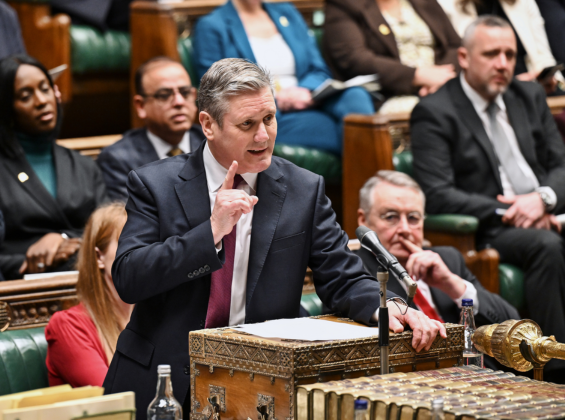
He emphasised the government’s commitment to protecting the media’s role in upholding democratic values, even as digital technology rapidly evolves.
The PPA along with a coalition of businesses and associations (who represent rightsholders and creatives) is working closely to develop a coordinated approach to tackle copyright infringement carried out by AI developers.
The Government is expected to consult on the matter in due course, and the PPA will be responding to the inquiry in consultation with members.
If you would like to speak about this issue further, or share views with the team, you can get in contact with our Head of Policy and Public Affairs, Eilidh Wilson (eilidh.wilson@ppa.co.uk)
Writing to the Government, Dinenage warned that any “blanket copyright exemption” for AI text and data mining would be “disastrous”, because it would enable AI developers to “scrape creative works from the internet to train their systems without permission and without paying the human creators whose work AI seeks to emulate and compete with”.
She asserted that “the only thing the Government needs to do in this area is oblige tech companies to be transparent about the creative work they are using to train their systems so that the two ‘sides’ (creative and tech) can get around the table and discuss commercial models”.
The PPA public affairs team has been engaging with Caroline Dinenage’s team, as well as the newly elected Committee members to raise awareness about how specialist publishers are impacted by the lack of transparency requirements for AI developers.
Speaking about this issue in parliament this week, Minister for AI, Feryal Clark reiterated that “no decision has been made on whether to legislate on copyright in relation to text and data mining” and that the Government “must take the time to hear stakeholder views and give them careful consideration”.
In addition to our engagement with MPs, the PPA public affairs team are in discussions with Government officials about next steps. For more information about this, please contact Eilidh.wilson@ppa.co.uk
The proposal will permit private companies and public sector organisations holding a CLA license to make copies from licensed content to upload to third-party generative AI tools. Permitted uses will include summarisation for research or educational purposes, drafting of business documents – for example marketing copy or job adverts, sentiment analysis of media content, and pattern identification in multiple pieces of content. Training of the underlying generative AI model will not be covered.
PLS is encouraging publishers that currently license in the business and public sectors through CLA to provide feedback on the proposal which it says will help to safeguard and grow a revenue stream worth millions of pounds a year for PPA members.
Once launched in early 2025, the licensing opportunity will work on an opt-in, non-exclusive basis for publishers.
PLS will be hosting an online briefing session on Wednesday 30 October at 3pm to provide an overview of the proposal. The session is open to all publishers registered with PLS that are licensing in the business and public sectors via CLA and will include a Q&A for publishers to ask questions and provide feedback. Register here.
Publishers signed up with PLS can also read the full proposal paper in the Publisher Area of the PLS website by logging in here.
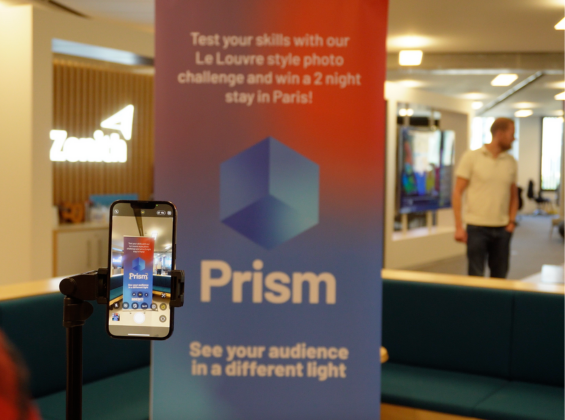
Prism advances Immediate’s commercial audience capabilities, offering advertisers valuable first-party data from its market-leading brands. This data, combined with exclusive access to premium, brand-safe ad inventory, provides unprecedented opportunities for targeting, insight, research, and performance measurement.
Prism is built on Immediate’s deep understanding and relationships with its audience and its extensive experience in the food, entertainment, and knowledge sectors.
The features of the platform include:
Access to all of Immediate’s premium, brand-safe inventory – enabling advertisers to reach a highly engaged and valuable audience without the challenges of inaccessible audiences or made-for-advertising environments.
A full suite of data solutions offering planning, research, insight, segmentation, and measurement capabilities.
Cutting-edge audience and contextual capabilities benefiting from advanced targeting options, including data matching, modeling, and contextual targeting.
End-to-end insight: Advertisers will be able to track campaign performance, measure ROI, and optimise future strategies based on valuable insights.
Matthew Rance Head of Commercial Data and Analytics, Immediate commented: “Prism represents a major milestone in Immediate’s data capabilities. Building on our years of audience-driven digital growth and visionary thinking, Prism allows us to elevate the use of our unique first-party data so every aspect can now be leveraged by our clients. This rich data, integral to our brands’ success, provides an invaluable foundation for delivering personalised experiences.”
He continues: “With continuing uncertainty around the fundamentals of digital advertising, first-party data is of critical importance to advertisers. Prism allows us to not just respond to client briefs, providing access and insight into some of the largest and most unique audiences in the market with measurable results.”
Nandy said: “Google often doesn’t promote content [from news publishers in the same] the way they do others, they need a fair playing field. We are talking to industry about it.”
Nandy highlighted the importance of a plural media landscape in tackling disinformation and ensuring the provision of trusted, audience-sensitive journalism. Specifically, she referenced the Southport riots and the role of local journalism in keeping the public informed and promoting community cohesion.
The PPA is engaging with the relevant Government and regulatory stakeholders to raise awareness about the value of specialist publishers and magazine media in providing high-quality, authoritative journalism, and promoting cohesion among communities of shared interests. We agree with the Secretary of State that platforms need to do more to promote the content of publishers and will be closely monitoring the Government’s next steps.
If you have any questions or wish to discuss this with our team, please get in touch with our Head of Policy and Public Affairs, Eilidh Wilson, eilidh.wilson@ppa.co.uk.
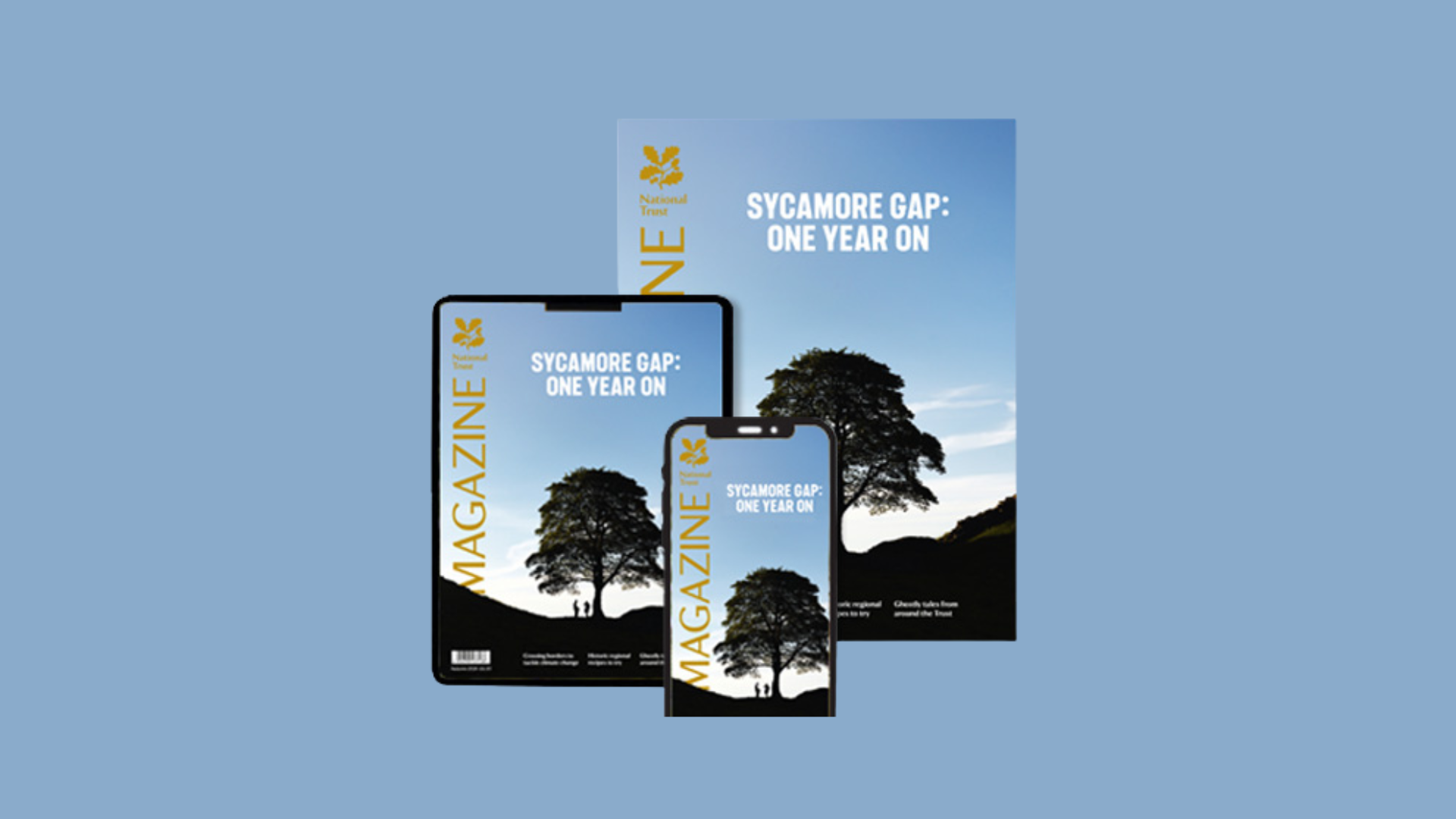
The new digital edition, now available, has been designed to offer an enhanced interactive digital experience. The first issue includes the option to listen to selected features read aloud, animation, videos, podcasts, and more.
Sally Palmer, Editor, National Trust Magazine, commented: “Our members have been telling us for many years that they would like the option to read their magazine digitally.
Last year, we ran two pilots to help us understand what our readers wanted from a digital magazine. These informed the format we’ve chosen to produce. We ran a tender process and appointed creative agency Hamilton Brown to work with us to develop a digital magazine that offers much more than a traditional ‘page-turner’ experience.
The digital magazine is still recognisably National Trust Magazine, with all the same high-quality features and brand alignment our readers expect. But it makes the most of elements we can only bring to them through a digital experience. We’re delighted with the results and can’t wait to share it with members.”
John Hamilton-Brown, Managing Director, Hamilton-Brown added: “We are so proud to have been selected as the digital transformation partner of choice by the National Trust. After a competitive proposal and pitch phase, our talented team of designers and developers has been transforming the much-loved National Trust Magazine into a digital experience that offers even greater depth and value to National Trust members.”
The proposed bill would also require public authorities to adopt transparency standards to ensure the “proper use” of AI.
Private Members’ bills are public bills introduced in the House of Lords or the House of Commons by MPs and Lords who are not government ministers. A minority of Private Members’ bills become law but, by creating publicity around an issue, they may affect legislation indirectly.
Previously, Lord Clement-Jones has raised awareness of the issues faced by publishers in relation to AI. In a debate on the (now-dropped) Artificial Intelligence (Regulation) Bill he said: “The creative industries are up in arms about the lack of support from the government in asserting their intellectual property rights in the face of the ingestion of their material by generative AI developers.”
On another occasion, he added: “We all need to establish very clearly that generative AI systems need licences to ingest copyright material for training purposes.”
Since Labour has been in power, they are yet to announce developments on AI regulation, despite the anticipation of an AI Bill mentioned in the King’s Speech in July.
The PPA continues to communicate with relevant stakeholders to ensure the challenges faced by the specialist publishing sector — where AI developers are using copyrighted content to train models — are effectively addressed.
We continue to monitor developments from the relevant government departments to identify any upcoming consultations on regulating artificial intelligence. We will engage with members to ensure a coordinated and represented response is delivered.
Earlier this week, we hosted the first in a series of PPA Demo Days. Exclusively curated for PPA members, this dynamic event explored the creative application of AI and Large Language Models.
The lightning talks and case studies from Condé Nast, Immediate, BBC Verify and BBC Monitoring, Miso.ai, and a visual artist gave insights on how to successfully apply AI technology solutions to consumer-led experiences.
Whilst the session was under Chatham House rule, below is a summary of key takeaways.
Condé Nast – showed us how a mix of natural language and keyword search allows users to explore the runway image collection in more detail and with specific concepts in mind.
Immediate – walked us through exploring experiences for neuro-diverse communities and how a mix of Generative AI to create visual, audio, and text experiences is changing the education sector.
BBC Verify and BBC Monitoring – demonstrated how their teams fact-check online content – to identify content that has been edited with AI or various online tools to alter the audio and visual and therefore context, despite looking like it was made and distributed from legitimate sources.
Anshul Roy, Artist – gave an inspiring and challenging talk about the use of problematic images in the New York Public Library archive, in terms of licensing and commerce. While many publishers have archives that look to explore, this talk highlighted the ethical and moral responsibility we have to manage the context of these archives appropriately.
Miso.ai – wrapped up with a highlight of innovative AI products and tools available that publishers can embed into their experiences. From custom Q&A search to contextual ads, they showed how these solutions can drive subscriptions, with publishers seeing a 107% increase in registrations.
A key concern for members is how to get to market quickly given the rapidly changing technology landscape. But our speakers highlighted the need to be customer-centric – first, identify the challenge you are trying to address, test your proposed solution, release as quickly as you can, monitor and adjust as needed, apply your learnings to the next launch phase, and when you are confident the technology is working as intended you can scale.
Another recurring question from the audience: what platforms should we be using? There is a variety of solutions out there depending on your needs. Our partner, Miso.ai offers trustworthy Large Language Model search and simple APIs that empower product teams to realise unlimited personalisation opportunities.
What are PPA Demo Days?
PPA Demo Days is an immersive event series – where we invite members who are digital specialists across audience, product, design, creative, data, and technology – as well as partners – to showcase innovative products and technologies.
This series focuses on live demos – taking you from the idea, how it was made, learnings, and its overall impact on audiences and commercial partners.
Each event will focus on a specific digital experience and/or technology that is driving the transformation in our industry today.
PPA Demo Days are intimate events for members to meet, share learnings, gather insights, be inspired, and have real conversations with other members on the impact digital transformation is having on business.
Make sure you sign up to our newsletter here so you can register when we launch the next in the series.
Google announced earlier this week that they will not be getting rid of third-party cookies. Instead, users will be offered a new experience that lets them make an informed choice about their web browsing. They also shared plans to introduce IP protection in ‘Incognito mode’.
The phasing out of third-party cookies would have a significant impact on media, publishers, and advertisers, so the PPA welcomes this move.
The PPA is aware that our members and the industry as a whole, will have questions about what this pivot means in practical terms. Despite this major announcement, many things are still unknown, but we will keep you updated as information becomes available.
Google executives are currently in discussion with regulators, including the UK’s Competition and Markets Authority (CMA) and Information Commissioner’s Office (ICO).
In their announcement, Google still commits to overall investment in ‘privacy-preserving’ alternatives. Google Privacy Sandbox technologies and APIs will still be a central part of future Google’s privacy strategy. Therefore, we believe that members will still need to invest in technology related to privacy solutions.
Even with this development, we feel that members should not change current plans and roadmaps. As it should not be assumed that we will return to a purely third-party cookie world. Members should ensure they have a first party data strategy to alleviate the impact of changes like this.
If you have any questions or concerns, please get in touch with the PPA’s Head of Digital, Mel McVeigh: mel.mcveigh@ppa.co.uk
Former science, innovation and technology committee publishes report on AI governance and calls for greater protection on copyright and IP rights
The now-dissolved Select Committee for Science, Innovation and Technology recently published a report on the governance of AI, aimed to examine the development, current state, and future of artificial intelligence.
The report was published on 28th May 2024, with parliament dissolving two days later, rendering the committee ceased. Despite this, the committee affirmed the report was ‘futureproof’ to ensure the next government can implement the recommendations where fit.
The report addressed several key themes including:
Ongoing debates and emerging regulation
International engagement
Committee recommendations on AI governance
Impact on the publishing sector
Currently, the government’s framework for legislating AI involves a cross-sectoral approach. In February 2024, regulators (e.g., Ofcom, the FCA) were instructed by government to provide an update on their strategic approach to governing the use of artificial intelligence within their sector.
Publishers are uniquely affected by AI in that their online content is often scraped, without licensing, to train AI models. This means they are impacted directly by AI developers, making it difficult, if not impossible, for publishers to benefit from this regulatory approach.
Intellectual property and copyright
Despite this, the report addressed the challenge of intellectual property and copyright in the face of artificial intelligence. The committee called on the government to “broker a fair, sustainable solution, based around a licensing framework governing the use of copyrighted material to train AI models.”
They said: “The current Government, or its successor administration, should ensure that discussions regarding the use of copyrighted works to train and run AI models are concluded and an implementable approach agreed. It seems inevitable that this will involve the agreement of a financial settlement for past infringements by AI developers, the negotiation of a licensing framework to govern future uses, and in all likelihood the establishment of a new authority to operationalise the agreement. If this cannot be achieved through a voluntary approach, it should be enforced by the Government, or its successor administration, in co-operation with its international partners.”
PPA next steps: The PPA will be engaging with relevant stakeholders in the run up to the election to build lobbying efforts for an appropriate AI Bill, such as our EU counterparts with the new AI Act. The team will be attending a roundtable with Lord Holmes of Richmond, whose recent AI Private Members Bill was scuppered by the general election, after reaching its third reading in parliament. Nevertheless, he plans to bring the Bill back after the State Opening of Parliament (17th July).