Author: Gareth Jones

  • How publishers can create products their audiences love: Five takeaways from the PPA Festival 2022 Product Stage

    How publishers can create products their audiences love: Five takeaways from the PPA Festival 2022 Product Stage

    Here are a few of the things we learned from the 14 speakers across the day.

    Collaboration is key, especially when editorial teams are involved
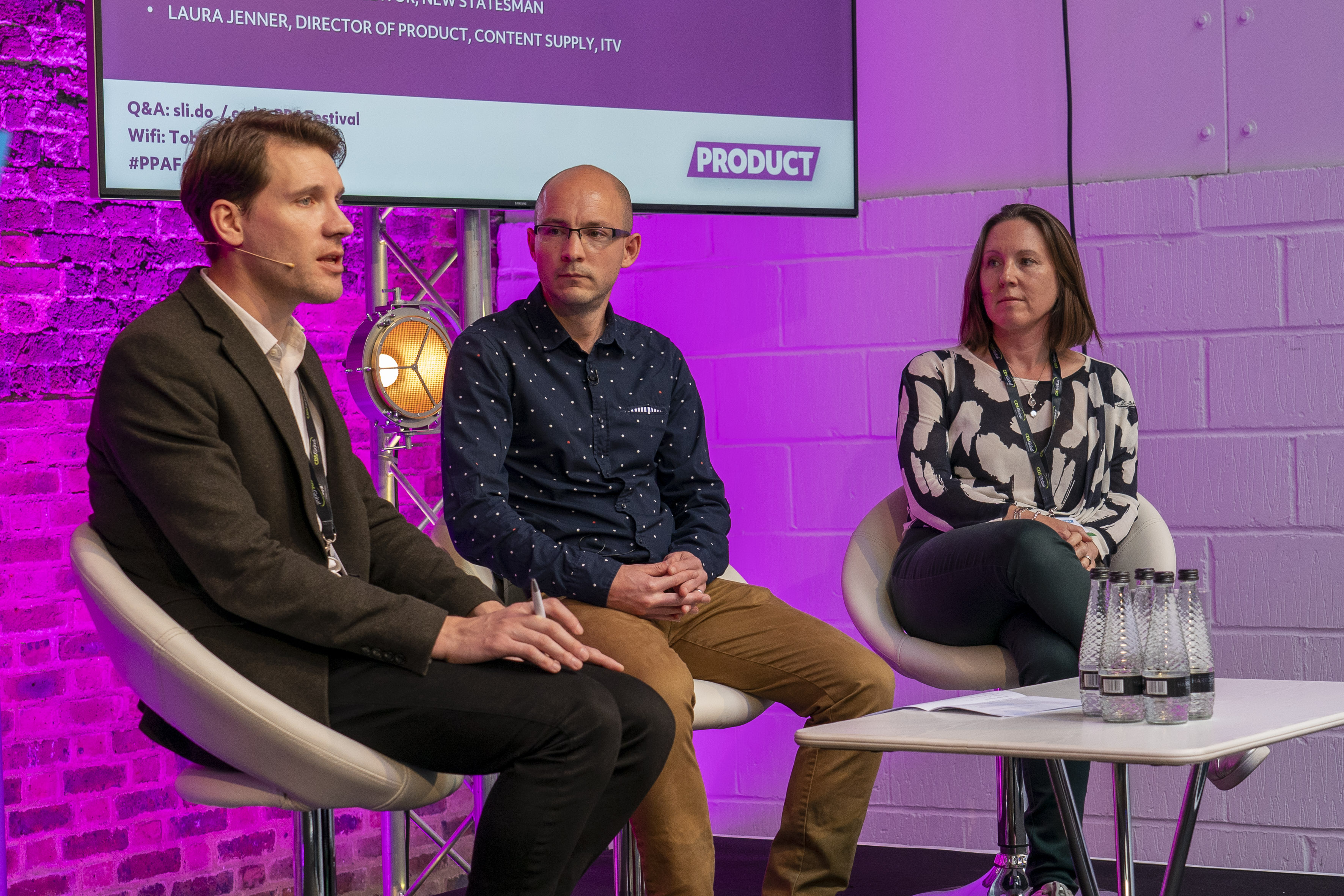
    “Don’t build a content management system that makes editorial teams cry.” That was the advice from ITV’s Laura Jenner during her session with The New Statesman Senior Editor George Eaton about ensuring product and content teams work effectively together. Drawing on their experience of redesigning and re-platforming the NS in 2020 and 2021, the pair both agreed that communication and collaboration was a key factor in its ultimate success. Having an editorial team who feel ‘done unto’ and unheard during a major piece of product work is a sure-fire way to generate problems. Especially if they are left with a CMS that brings tears to the eyes.

    Be essential to your audience – and then work out the best way to monetise that

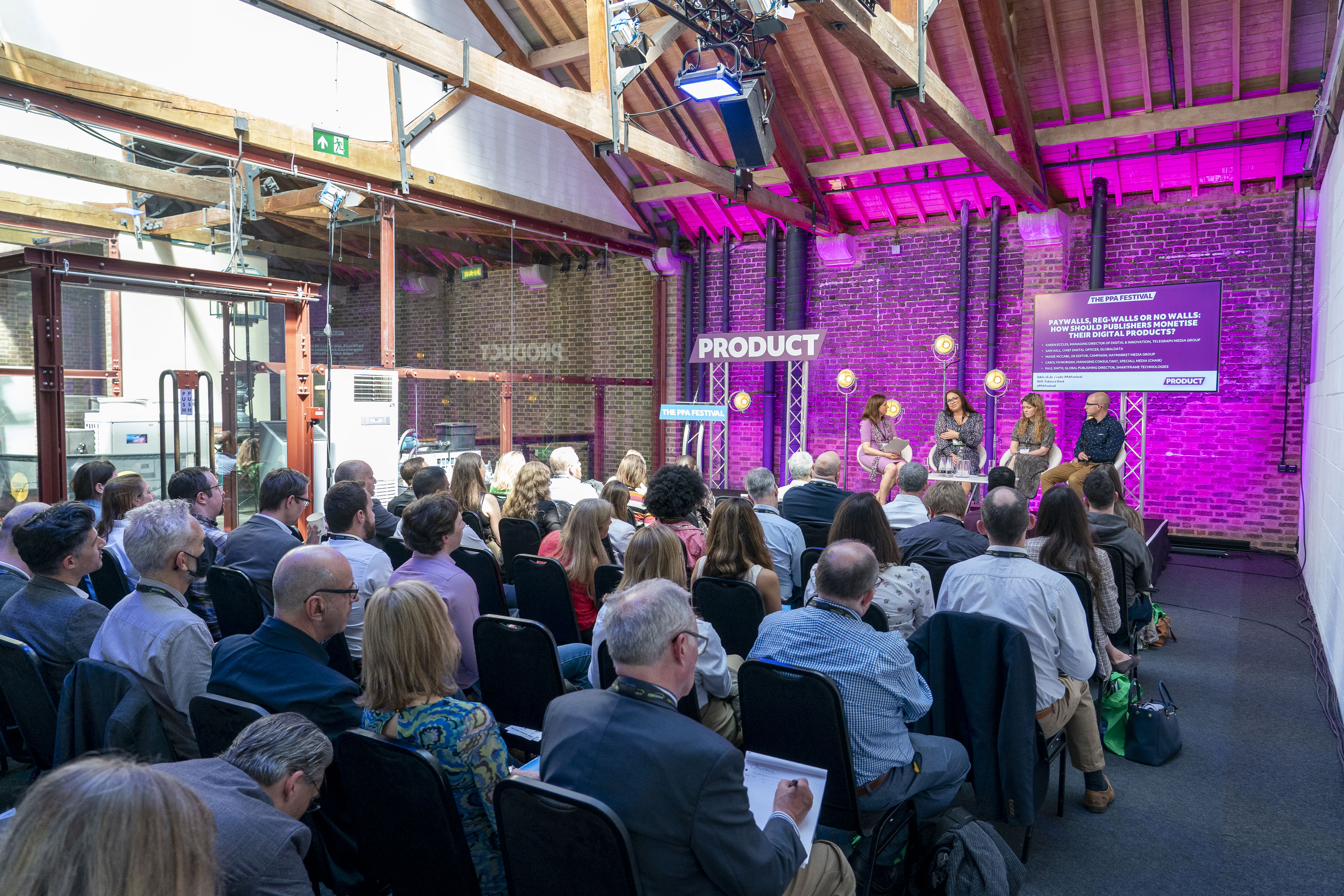
    Brian Morrissey, founder of The Rebooting, captivated the audience with his take on the future of the publishing industry, predicting that we are headed for a period of what he calls the Great Rebundling. In a nutshell, this is the reversal of the recent switch away from institutions to individuals (see Substack) and the development of a more talent- and audience-first approach from the big media players. But, he was at pains to impress, this only works if you have created something your audience sees as essential to their lives. And this was a theme underlined in a session on revenue models later in the day, where Campaign’s Maisie McCabe, Telegraph’s Karen Eccles and Speciall Media’s Carolyn Morgan discussed a variety of approaches but all agreed that unless your audience values what you do enough to pay for it in some way then decent revenues would be hard to come by. That ‘payment‘ could be through subscriptions, but also with a willingness to engage with commercial sponsors or to share their data with the publisher. But trust and value perception are imperative.
    Data science can sound scary and expensive but if you start simple it can quickly be valuable

    That was the message from data guru Magda Woods in her session on turning AI into ROI. She talked through her experiences at various publishers of different shapes and sizes, breaking her approach down into four areas: 1) where you get your data, 2) the decisions made on what to do with that data, 3) automation and personalisation and, 4) monetisation. But regardless of how big (or small) your data team is, her advice was to get in there and invest time and resources in the basics of data. And to make sure your model is underpinned by understanding your audience through data.

    Great podcasts are made by finding something that really matters to your listeners
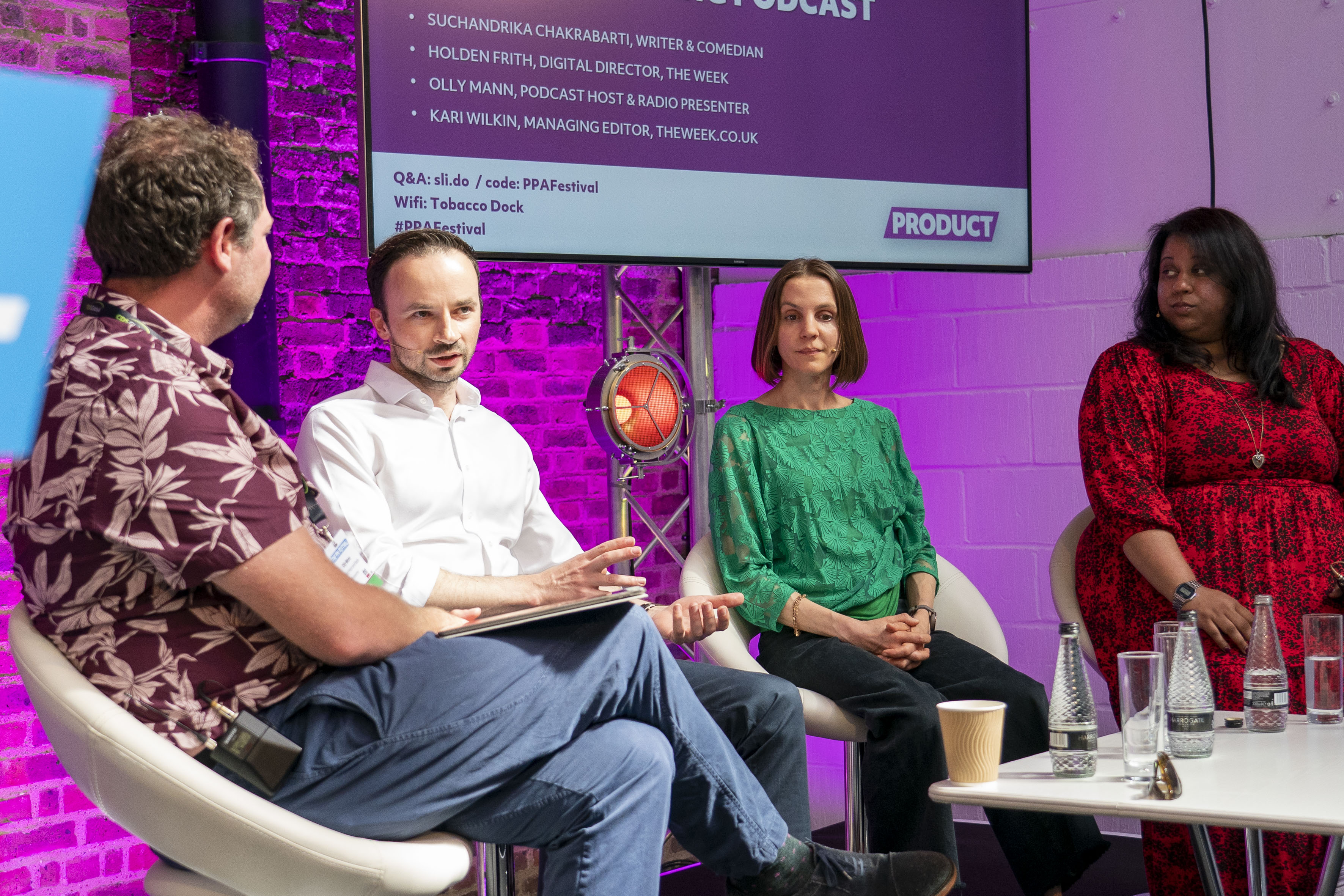
    The Week Unwrapped team know what it takes to make a successful podcast, having built a loyal and engaged audience and won a PPA award to boot. The team shared what they had learned in the style of one of their podcasts, with regular host Olly Mann facilitating the discussion. And top of the list of things is to ensure that you pick a topic that you know already resonates with your audience – and then find the right people to talk about it. Authenticity is key to earning the trust of your listeners and gaining a place in their lives. But the team also encouraged other publishers to be spontaneous and to create a relaxed environment for the conversations. And if anyone is worried they don’t have the modern, high-tech studio to do a successful podcast then they should be suitably reassured by the Week team’s revelation that the majority of their episodes have either been done remotely or from a basement office surrounded by broken photocopiers…

    Don’t hide from the metaverse. No-one really knows what they are doing there yet

    If there was ever any concern that publishers were not that interested in web3 and the metaverse then that was dispelled by the turnout of for this session. Despite it being scheduled in the middle of lunch, it was standing room only as Dazed Media’s Izzy Farmiloe, Management Today’s Kate Magee and publishing veteran and Artificial Intelligence and Web3 In Media founder David Tomchak took to the stage. And their message was clear: publishers should not be afraid to experiment in what is still a nascent and evolving world. Farmiloe revealed that some of the younger people she has researched are already suffering from meta-fatigue, while Magee reassured many in the audience as she talked through MT’s decision to explore the metaverse based on little more than curiosity and a desire to help their audience better understand this potential future world. And the panel all agreed that is too early to tell whether this is a future we will all be inhabiting soon or pure hype. But publishers should get involved either way.

    After a fascinating day of insights and debate, the message to publishers from the speakers on the Product Stage was clear: deeply understand who your audience is, make yourself essential to that audience and be brave in the products you build to delight that audience.
  • Readly welcomes The Week: the best of British and International news

    Readly welcomes The Week: the best of British and International news

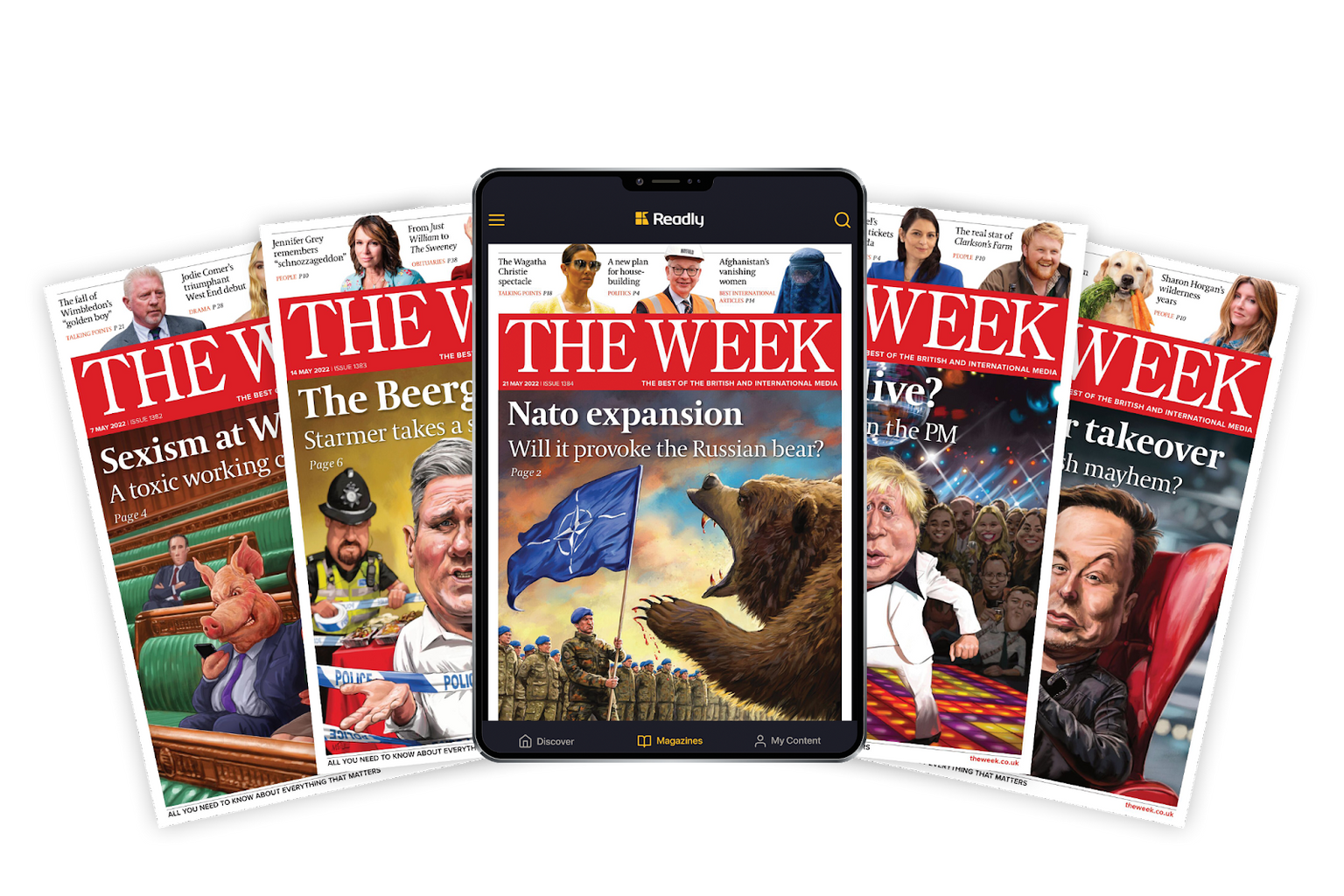
    Published by Future plc, The Week takes the best of news and distils it into succinct bite-size editorial to help readers keep abreast of events and form their own opinion. Read across the globe, the leading news digest is the latest addition to Readly’s portfolio of newspapers and magazines.

    Readly’s news content portfolio has seen a significant boost in recent months with 160 UK regional newspapers added to the platform, sitting alongside over 35 national newspapers from across seven markets. Research shows that consuming trusted content is ‘very important’ to 40 percent of people in the UK so delivering verified news is an integral part of Readly’s offering.

    "At a time of journalism and trusted news being in the spotlight but also the consumer being time poor and often choosing short forms of content to read, we are delighted to welcome The Week to Readly. Quality editorial in the form of bite-size news chunks allow the reader to quickly and easily keep up to date on the news agenda. I am sure our readers will delight in reading this weekly news digest, alongside the long form news articles and magazines available on the platform" said Ranj Begley, UK MD and Chief Content Officer at Readly.

    "We're really excited to be launching The Week onto the Readly platform, which represents a real opportunity to reach a valued and engaged audience" said Will Hardy, Senior Marketing Manager at Future plc.

  • Noo Saro-Wiwa appointed as Features Writer at  Condé Nast Traveller

    Noo Saro-Wiwa appointed as Features Writer at Condé Nast Traveller

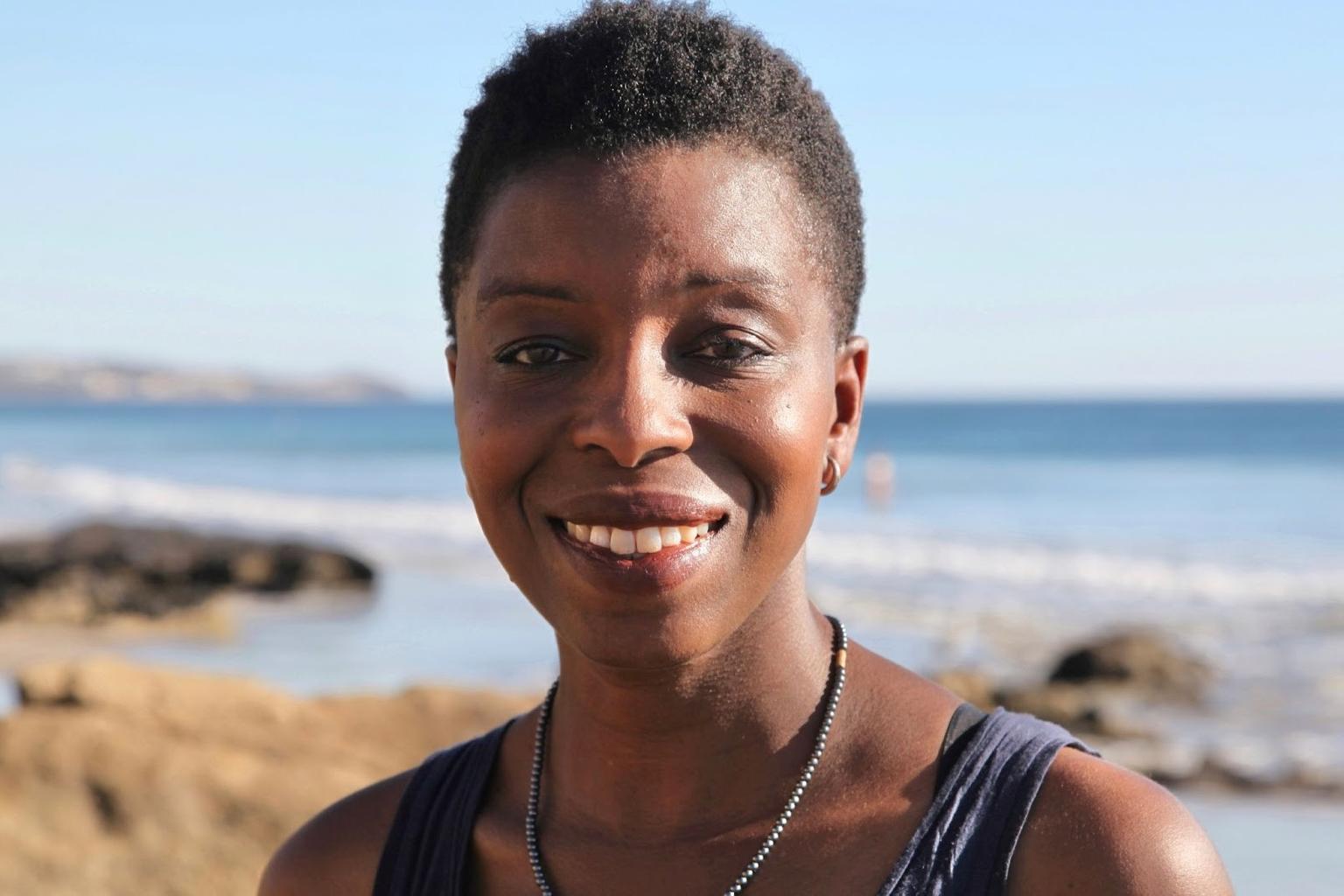
    Condé Nast Traveller has appointed Noo Saro-Wiwa as a features writer. An author and freelance journalist, she has contributed book reviews, travel, opinion and analysis articles for the Guardian, The Financial Times, The Times Literary Supplement, and City AM, among others. Her first book, Looking for Transwonderland: Travels in Nigeria, was published to critical acclaim.

    Noo is open to all pitches, but is particularly interested in eco-tourism, nature conservation, culture, innovative hotels, and anything Africa-related.

    The July/August issue of Condé Nast Traveller is available now.

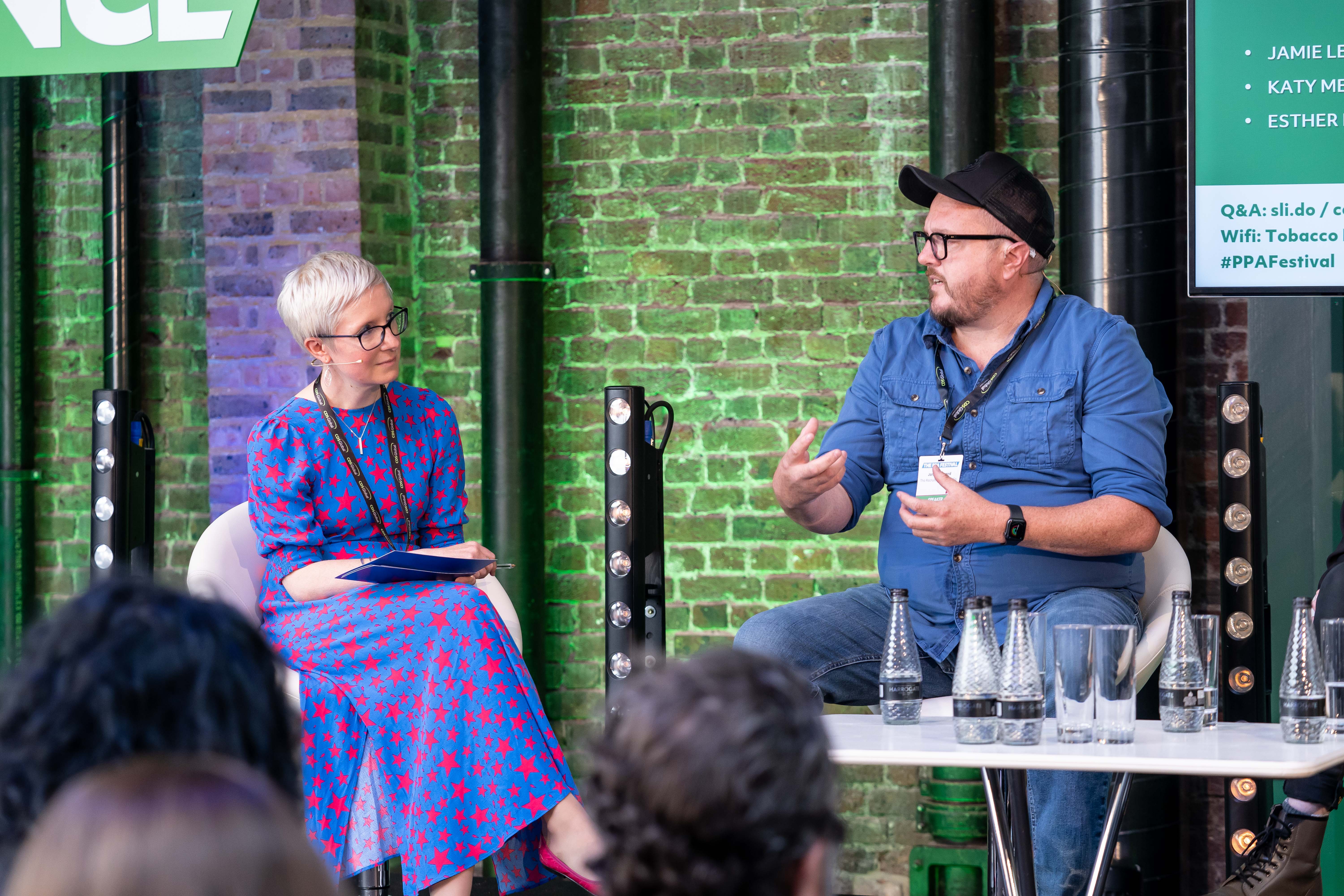
  • The five things we learnt about effective audience engagement at the PPA Festival 2022

    The five things we learnt about effective audience engagement at the PPA Festival 2022

    Here are a few of our top insights from the day

    Positive mindsets deliver

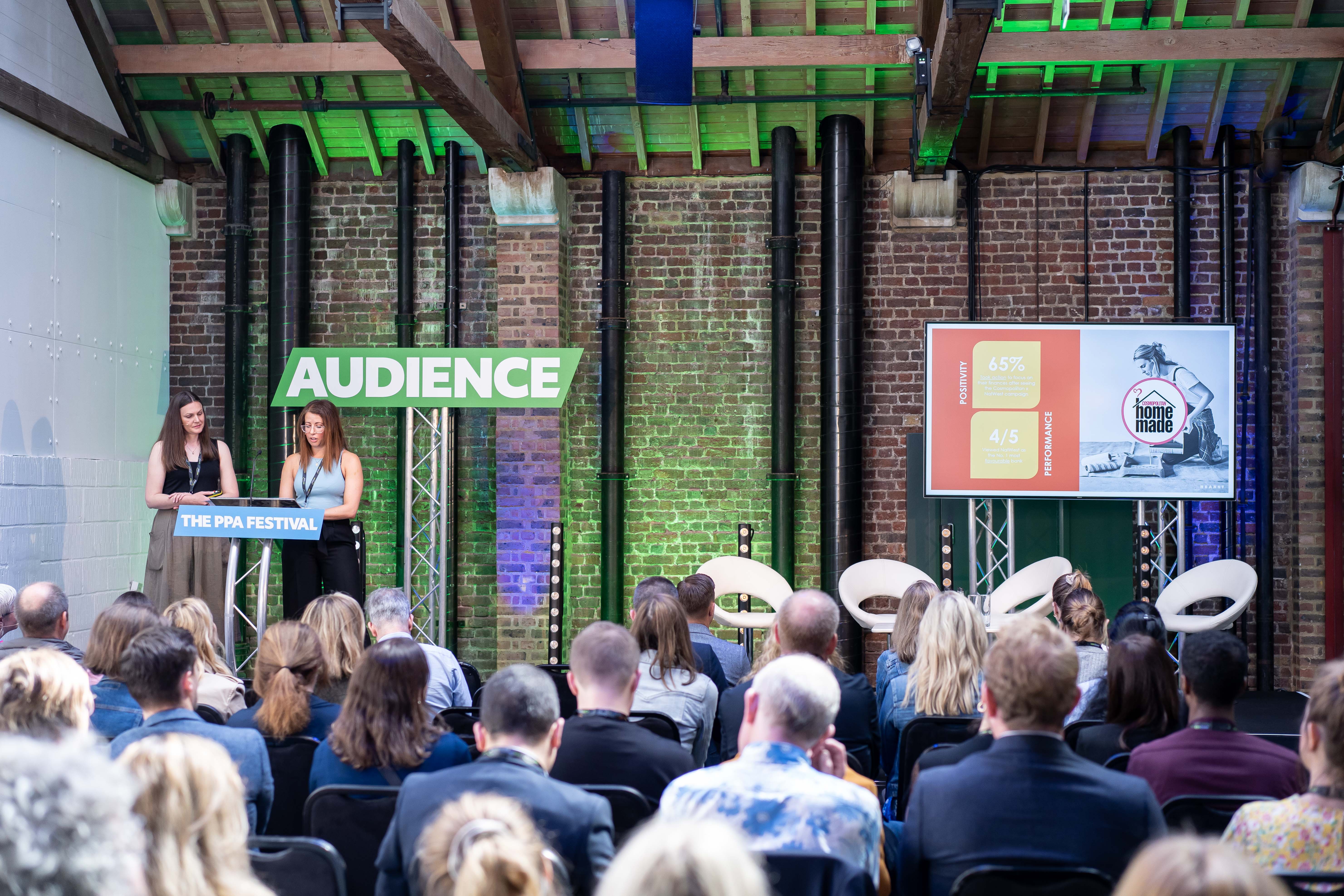
    There is a longstanding belief that fear sells. But, thanks to research from the team at Hearst UK, there is evidence that the opposite is true. Positive and purpose-driven media environments create positive audiences that in turn, view brands six times more favourably than those with a negative frame of mind, leading to a 4% uplift in sales. Turning theory into practice and leading with purpose and positivity, Hearst has enabled brands such as NatWest to shift perceptions, while at the same time, shifting the dial on some of society’s most challenging issues.

    If you want to get to a million subscribers, channel Yoda

    Ok, so a small green character from a cult classic isn’t likely to increase your subscriber base, but being a consistent source of trusted, exceptional content will. That was the message from The Athletic, who discussed the strategy of bringing together the best content with intelligent, agile marketing and onboarding tactics, will make people want to pay for information online. Capturing people’s favourite club at the point of joining has enabled them to offer a premium tailored experience to audiences from day one. Immediate Media also talked about the importance of adopting a growth mindset, prioritising customer lifetime value over short-term profits, joining the dots between the marketing and content teams, moving away from chasing seasonal gains towards an ‘always on’ approach to acquisition. And, NewsTeam Group looked at ways to improve subscriber experiences in print in order to ensure those hard won subscribers stick around.

    When you turn subscribers into members, they become advocates not just readers

    The practicalities and benefits of setting up membership clubs were the focus of the panel discussion between Women’s Running, Craft Gin Club and the Recruitment Events Co. Whether setting up discrete communities within a brand or exploring community management for an entire subscriber base, the lessons were clear. Don’t underestimate the amount of resources required; keep the offer simple and remember that people often subscribe for one reason (not a whole heap of value-add benefits); a membership club creates loyalty and emotional connection in a way no subscription model can if you set it up right; there is no template for creating a club, you must listen to your audience; make sure you have members represented in your internal team and don’t stick to one platform for communication. Recognise that within your community will be lots of smaller communities that need different things from you.

    Data doesn’t give you all the answers, it helps you start a conversation

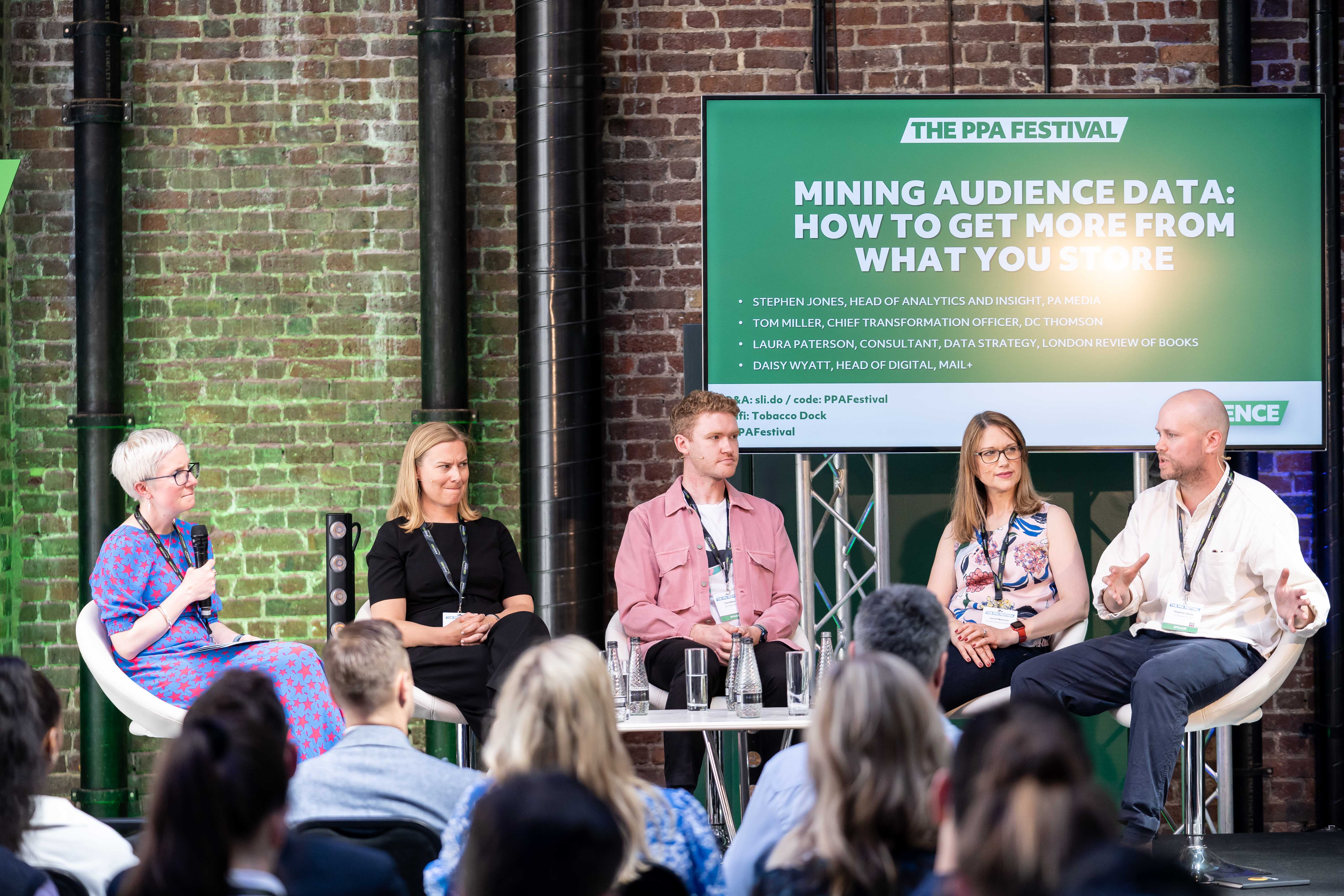
    Data champions from Mail+, DC Thomson, London Review of Books and PA Media were quick to encourage publishers and brands looking to get more from the data they store. From running data bootcamps to analyse information being provided, to moving editorial teams away from vanity metrics, the panel provided practical tips for changing the conversation around data and using it more intelligently to achieve both organisational change and improved audience engagement. Data isn’t a one-person job. It requires engagement at all levels (particularly senior and finance-related roles). The ambition is not to be led by data as an organisation, but informed by it, using it to start conversations and agree priorities and areas of focus. Critically, data should be the carrot, not the stick, supporting positive change. Finally, the journey doesn’t end, but you can’t enjoy it if you don’t just get started.

    Don’t be afraid to flood the zone in the race for audience attention

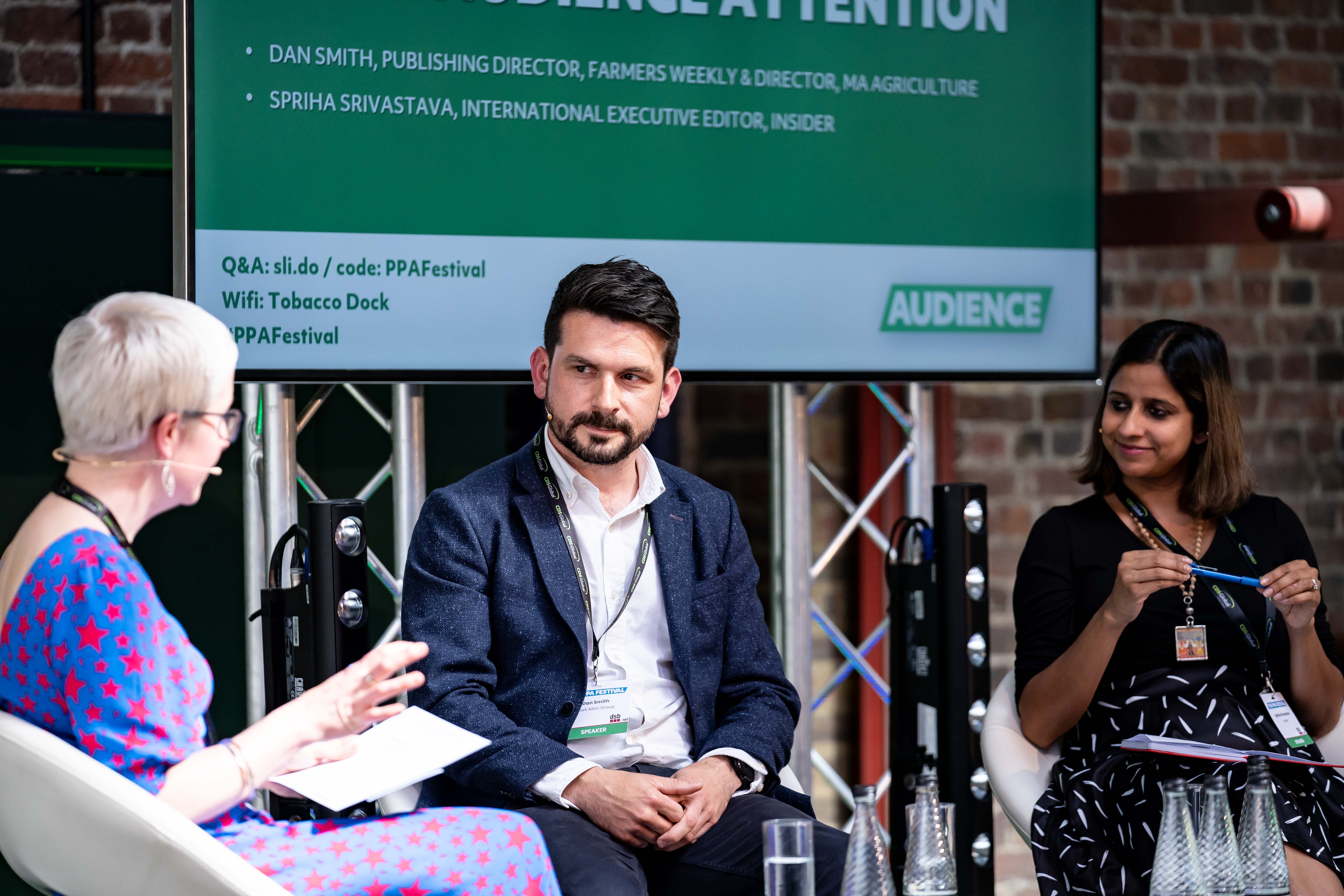
    Insider and Farmers Weekly came up with eight tips for effective audience engagement in 2022, but if you were to neatly summarise all the points in one word it would be: confidence. The confidence to not just talk about a community but get into it and follow individuals as they go about their business. The confidence to be an agent for change in a sector. The confidence to be a critical friend not a broadcaster of what people want to hear. The confidence to change hearts and minds within the organisation in order to change the way it communicates. The confidence to include basic definitions to help people really understand a subject. The confidence to write lots of content in one area if that is what the audience wants. The confidence to be an educator, not just a publisher. And, the confidence to take risks and see where those risks take you.

    Final thoughts

    If you remember one thing from the Audience stage, remember that if you want deep audience engagement, you have to start with the audience and work back from there. Don’t design at the white board and think you know what works. Get out into the community, ask questions of both your audience and your data, know your stuff better than anyone else, bring your audience into the conversation and never settle. Essentially, be Yoda. If the pandemic taught us anything, it is that we all want to belong and feel part of something bigger than ourselves – and publishers can help us do just that.

  • Our Media’s craft and lifestyle brand 'Mollie Makes' rebrands as 'Mollie'

    Our Media’s craft and lifestyle brand 'Mollie Makes' rebrands as 'Mollie'

    Mollie is a monthly lifestyle magazine for creative individuals looking for inspiration for their homes, wardrobes, craft projects and gift ideas. The magazine is visually bold, and covers trends, green living, fashion, interiors and more. Each issue is themed – with the first (appropriately) being ‘New Beginnings’ – and includes features on homes, DIY, clothing and food, all with an ecological and ethical focus.

    Launched in 2011, the Mollie brand has been at the heart of the contemporary crafting boom of the last decade. Now the new-look Mollie has a new outlook and lifestyle focus, reflecting an audience who have become even more creative, are crafting more, and are increasingly environmentally conscious. The new name is accompanied by a vibrant new design on display across the brand’s print and digital platforms.

    “This is the next evolution of Mollie, and in part, reflects the changing focus of how we spend our free time post-lockdown. Creativity for wellbeing is something that increasing numbers of people have adopted, along with making our homes more unique and wanting to make changes to help the planet.” – Charlotte Morgan, Publishing Director

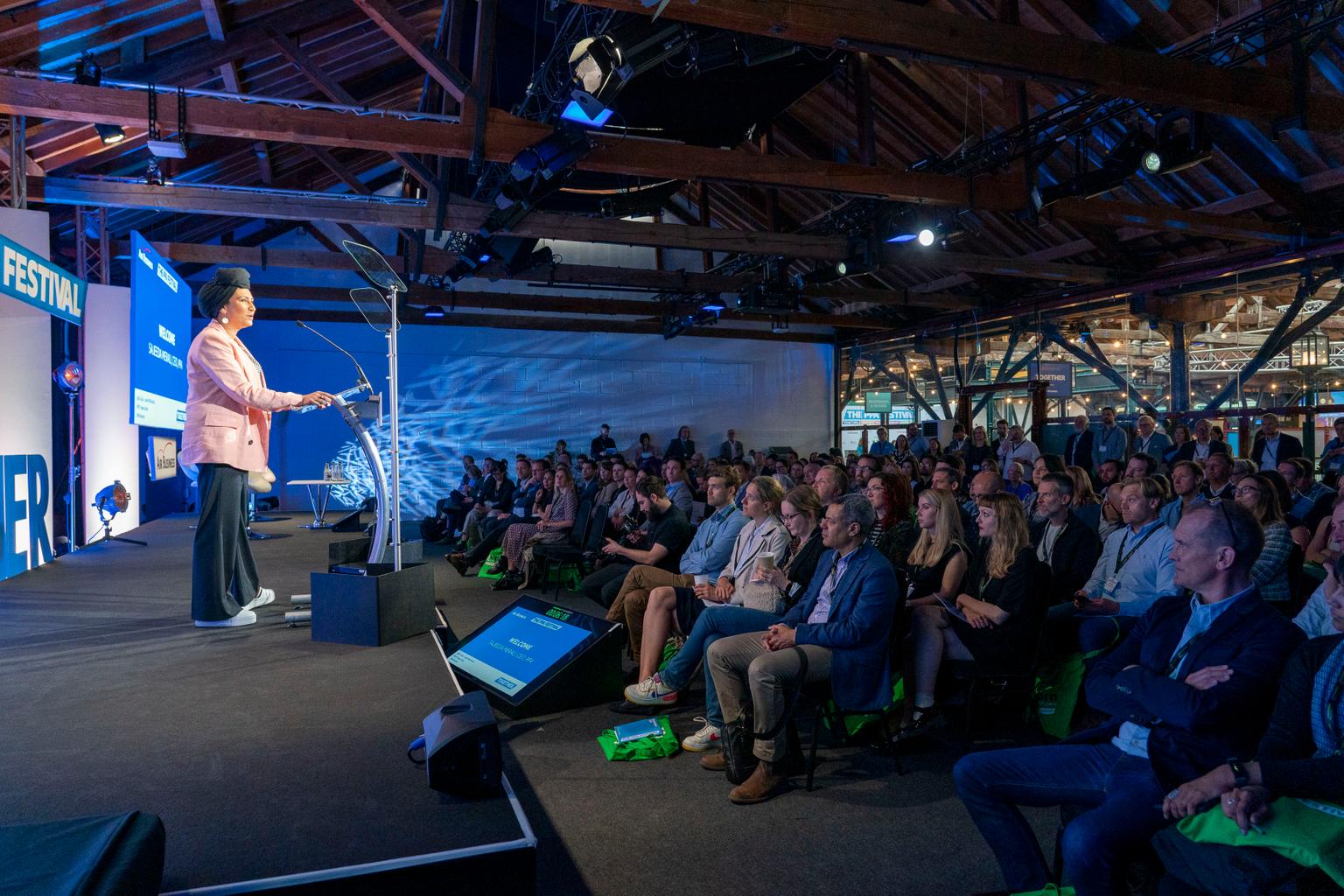
  • Sajeeda Merali’s speech from the PPA Festival 2022

    Sajeeda Merali’s speech from the PPA Festival 2022

    I’m Saj Merali and I’m the chief executive of the PPA and over the past few months I have been immersing myself in defining what the PPA can do for our member organisations.

    We are obsessing about putting member value at the core of our strategy and making sure our agenda exists to champion this industry and the truly multiplatform businesses that you represent.

    I joined the PPA from New Statesman Media Group where I was Chief Revenue Officer and before this in various commercial roles in the b2b space including Incisive, infopro and Euromoney. This experience in publisher businesses has enabled me to have a clear understanding of not only the challenges and complexities affecting our member businesses but also how vibrant and exciting this industry is.

    So that’s my work life.

    In my other lives I am the co-founder of the Amal network, a group created to champion Muslim women in the workplace.

    I am also a mum of two teens. I spend most of my Sunday’s cheering on the sideline of a football pitch – no question about the off-side rule in my world.

    I play badminton every Monday and still hoping it will one day lose its geeky image and be cool.

    And I am a big big foodie.

    I come from a family of massive food-lovers. Nothing brings my family together more than celebrating key events around the dining table.

    I love to cook and many of my tried and tested Swahili-inspired recipes have been handed down by my East African relatives; as well as adding my own spicy twist whilst flicking through a dog-eared and well-thumbed copy of Delia Smith back in the day.

    So why exactly am I telling you all of this?

    Because even though our individual passions are what make us unique, it’s these shared interests both on a personal and professional level that connect us and help us find our tribes.

    So what is the true meaning of ‘Interest’?

    The definition of interest is something that holds our attention and makes us want to learn more about it.

    Back in the day I remember being huddled around copies of Just17 and Smash Hits with my friends. Getting up to speed on latest make up trends and learning all the words to Neneh Cherry’s Buffalo stance.

    The eyeliner flick still lives on and even now many many years later, I can still recite those lyrics word for word.

    But the way we consume content now, and our expectations around our experience is wildly different.

    Nowadays I can indulge my passions through apps and content on BBC Good Food and Delish. I get to see the best rated recipes and choose something based on what I actually have in the fridge. The experience is far superior and connects me to other budding cooks and has a real diversity of recipes.

    No longer do I have to pinch my boss’s weekly copy of Marketing Week to get up to speed on industry topics – these days I am spoilt for choice and rely on podcasts and regular newsletters that get to the facts fast – delivered directly to my inbox. Press Gazette, InPublishing, Campaign and Mediatel tell me about the publishing and advertising space. Flashes & Flames makes for great Friday reading and Brian Morrissey’s rebooting keeps me thinking about the future landscape.

    Finding common interests is part of being human and ensures a sense of connection and belonging.

    Where we work and what we enjoy may absolutely change or evolve over time (or not in the case of my music taste); but interests track the course of our lives.

    At the core of our industry is that PPA members are all creators of trusted content or services for special interest communities and are focused on driving deep 1st party engagement.

    This is as true for large scale multi-national businesses, as it is for smaller independents; for consumer publishers as well as our B2B operators.

    The work of our editors and writers as well as our product and data experts – many of whom we’ll be hearing from today – create content and experiences that helps people to navigate the world around them – on a personal and a professional level. It is this reason that we can command the attention levels we do and that our audiences return to us again and again AND this is what is making our sector increasingly more desirable.

    It is an absolute honour to be able to represent you and an industry that I have grown up in and at a time when there is so much going on.

    No matter what we call ourselves – magazine brands, business media, publishers, martech, edtech, healthtech – the strategic glue that binds PPA members is that we are all creating trusted content for specialist audiences and this drives that deep engagement and attention to an extent that is unseen by any other sector of media.

    But listen – we must definitely not confuse specialist with small.

    It’s worth reminding ourselves about some of the key stats in a report that the PPA conducted in association with Vendigital

    – Our sector – as represented by the PPA – contributed an estimated £3.74 billion to the UK economy in 2019 and directly supports over 55,000 jobs.

    – PPA member brands connect with 84% of UK’s population

    – And we serve expert B2B insight and information to professionals working and leading some of the biggest industries shaping our world; like Technology, Financial services, energy, professional Services and the health sector

    We believe that building our plan around three key factors – People Product Audience – will be crucial in continuing to build a thriving and sustainable publishing sector.

    We have prioritised a plan that will drive the most value and impact for you – our members – based around the role that you need us to play.

    1. Firstly – helping to facilitate discussions with your peers.

    PPA Collaborate is a series of programs and initiatives that brings you together to share knowledge, address industry challenges and work towards the best business environment for us all.

    We have networks and steering groups such as audience measurement, supply chain, subscriptions, sustainability, and more.

    Magnetic continues to be a key area for the PPA and supports external advertising customers and agencies in understanding more about our attentive audiences and trusted content and environments that inspire, inform and drive action.

    2. Then there’s knowledge sharing and best practice

    We want to make it really easy to understand some of the complex issues affecting us as an industry.

    PPA Decodes is a series of informative seminars (such as the upcoming data masterclasses). They aim to breakdown and simplify current topics to help you and your teams – whether it is decisions around digital strategy or policy-related topics such as the online safety bill

    3. Finally and very importantly – moving the dial on the reputation of our sector – as a brilliant place to work, that is fair and inclusive.

    PPA Progress aims to do this by focussing on ED&I, our commitment to net zero and having a real focus on Talent.

    A recent industry benchmarking survey carried out by the PPA showed that

    85% of respondents were white

    55% lived in London

    and 75% identified as ABC1 or ‘middle class’

    We want to encourage talent from all backgrounds to bring their voices and experiences to the fantastic range of brands that we represent and the exciting array of roles that are available across our industry.

    We have an active steering group that is working hard on this programme of activity that is fundamental to future proofing our sector – ensuring we attract and retain talent and really audit our content to ensure representation in the voices we promote, the images we use and the topics we write about – down to making sure that our websites are accessible.

    This leads us to our public affairs work and the representation of our industry's interests to government.

    We stand beside you, but we also stand up for you!

    We have made great strides in areas around the online safety bill, the empowerment of the Digital Markets Unit and the law surrounding subscriptions contracts.

    Our advocacy work continues to be shaped by our members business models.

  • Sheri Friers | CEO | The List | The List Publishing

    Sheri Friers | CEO | The List | The List Publishing

    What made you want to work in publishing?

    Before moving from London to Edinburgh I used to work in the music industry. When I was relocating, I was keen to find a job that was still in the media and still had some sort of creative outlet. So I started working at doing press for ‘T in the Park,’ and through them I met Robin Hodge, who was the original publisher of The List. I went and talked myself into a non-existent role of promotions executive under the promise that I would create The List’s first ever CD covermount. I absolutely loved my job from day one. It was such a varied and creative environment to be in. The List played such an important role in supporting all genres and was really respected for its editorial independence and it was just such a great place to work. From day one I was sold!

    The List recently returned to print – could you tell us how you went about this?

    COVID hit and all events were halted and therefore the need for a magazine and website dedicated to going out just wasn’t there any more. In the short term, we managed to pivot the website and it became the go-to place for online events and we just created as much content as we could.

    There were two companies under The List umbrella, there was The List (publishing) which looked after the magazine and website and The List (digital), which was the information services and events information arm. As COVID continued, I started to see that the parent company’s focus was moving more towards the digital side of the business, and this was ultimately going to lead to the closure of The List magazine. Because of the uncertainty of the company’s future, we weren’t eligible for the bigger government grants on offer, which led to the publishing side getting wound down. At this point, I had been at The List for almost 20 years and it had always been more than a job to me – it had been a way of life.

    I just couldn’t imagine the world without The List and I was desperate to try and save it. I was obviously keen to save my job and the jobs of my team, but also to continue the vital voice that The List has in supporting arts and culture across central Scotland. So after nine months and a couple of failed investment attempts, I found a couple of like-minded people who were keen to save The List as much as I was. We set up a new company and put a plan in place to rebuild The List. We launched a Crowdfunder and the support was incredible. It was so validating and encouraging to have the arts and culture community come together and want to see The List return. It was everyone from journalists that had their first paid review by The List or bands that had their first gig reviewed by The List, and that really spoke volumes and added more fire to my belly to make this happen. We ended up raising just under £30k and that is all we needed to get cracking. After two years we returned on 1 March with a new monthly cycle. It was our first issue as List Publishing Limited, but it was the 759th issue as the magazine had been going since 1985. We also launched our Guide to Scotland’s Festivals, and the reception was just brilliant. So we’re now on issue three or 761 and counting!

    You have a regular audience of over a million users – the majority of which access your content online – why was it important to publish the print issue again?

    It was so important to publish again because The List is an institution and has been the go-to for those deciding how to spend their time and money since 1985. It’s been at the forefront of supporting arts and culture long before people could access content online. We did see a dip about 10 years ago in print, but like vinyl, people started to return to the original format, and we began to see a real trend and people wanting to advertise and be featured in the printed format and have something tangible to read and to flip through to hang on to. I couldn’t imagine print working without online together – they work so well together.

    Why is arts and culture journalism so important? How can we continue to highlight its importance?

    Can you even imagine a world without arts and culture? It would be so boring! Even in my time, people used to be able to be full-time musicians and full-time journalists and those opportunities just aren’t there any more. Whether you’re a new writer looking for your first writing gig or whether you’re an artist looking for your first exhibition – it’s all an ecosystem and one that we’re super proud to be a part of. There could never be too many publications or websites supporting arts and culture. We’re just happy to be part of a community that offers opportunities to artists and journalists alike and increase jobs in an industry that’s been hit so hard over the last couple of years.

    What does the next 5 years hold for The List?

    Obviously, as a business that almost didn’t survive the pandemic, we’re taking nothing for granted. We’re just so pleased to be back doing what we do best. To be given a second chance to carry on a 37-year-old legacy is such a privilege and we’re all hands-on deck to make that as successful as it can be and add on another 37 years. We want to continue publishing and we want to continue supporting arts and culture, supporting independent journalism, and growing the team back. We want to keep putting on more of our own events and not only support all of the live events out there, but creating our own events and doing what we do in print and online and bringing it to life. We just want to keep shouting as loud as we can about how fertile and important the arts and culture scene is in Scotland.

    What’s on your radar?

    I’m very excited to get everybody back out and experiencing all that the scene has to offer. I feel, especially with the Edinburgh Festival coming, that there’s this real need to be back out in it and experiencing it. I think other people have had enough of staring at their screen and flipping through pages online – sitting at home has its time place but it’s time to get back out and enjoy live events/

    What magazine do you stockpile?

    I’m a big fan of Huck. I love their content. I love their style and the topics they cover. I just lose myself in every issue and think they’re pretty ahead of the curve in terms of what they do. There’s also an online magazine called The Flock. It’s such a cool platform and it’s all it’s all women led journalism with very compelling content.

  • Hearst UK Launches New Experiences Division, HearstX

    Hearst UK Launches New Experiences Division, HearstX

    Hearst UK has been synonymous with world-class branded events for over twenty years, attracting A-List celebrities and loyal audiences. Hearst UK events, which include the Harper’s Bazaar Women of the Year Awards and Country Living Shows, also serve as a physical destination for consumers to explore their favourite brands, with each event carefully curated with the essence of the title in mind.

    HearstX will take this physical experience offering to a new level, offering readers and advertisers a more agile, future-facing experience. Hearst UK’s new experiential division will bring its brand experiences to a multi-platform audience, offering both physical and digital worlds for readers to explore. New HearstX initiatives launching to market this year will include the first ever ELLE UK Virtual Influencer, a Cosmopolitan metaverse experience and a suite of AR products designed to drive further engagement with Hearst content.

    Jane Wolfson, Chief Commercial Officer at Hearst UK, commented: “I’m thrilled to announce the launch of HearstX. There’s been a huge acceleration in the digitalisation of the experiential industry over the past two years, and our team have been working extremely hard to inject further innovation into our creative solutions offering. This will allow us to find new ways of engaging with our loyal audiences on platforms outside of traditional content formats.”

  • Grazia announces Victoria Beckham as global cover star across 14 international editions

    Grazia announces Victoria Beckham as global cover star across 14 international editions

    Victoria appears on the specially designed Grazia UK newsstand and subscriber issue front covers. The ‘Luxe Issue’, available on UK newsstands on Tuesday 17 May, will include an exclusive interview with Victoria plus a photo-shoot promoting the launch of her new VB Body collection – a line of jersey dresses and separates that are taking the designer back to her bodycon roots.

    UK Grazia’s content will be supported by a social media campaign which includes exclusive behind-the-scenes footage from the shoot and interview with Victoria.

    Hattie Brett, editor of Grazia UK, commented: “There aren’t many stars who command global attention. But, I’m delighted to be able to have shot and interviewed one of Britain’s most fascinating women Victoria Beckham for our Luxe Issue – and to have collaborated with 14 international editions of Grazia, also featuring the shoot on their covers. We know the Grazia UK audience has long been obsessed with following Victoria’s journey, and so will enjoy seeing exclusive images of the fashion designer as she unveils her new line VB Body and hearing her discuss family, fame and style.”

    The 14 Grazia covers across the world featuring Victoria Beckham include: Australia, Bulgaria, China, Croatia, Emirates, Germany, India, Italy, Latam, Mexico, Serbia, Spain, UK and USA. In each of the covers, Victoria is seen wearing VB Body.

    Photographer Credit: Boo George / GRAZIA magazine

  • Walstead signs long-term deal with Telegraph Media Group

    Walstead signs long-term deal with Telegraph Media Group

    The contract award follows a RFP process by TMG which concluded earlier this year. Once
    the contract award was made key workstreams were established to ensure a smooth
    transition from the incumbent printer’s gravure printing process to Walstead’s heatset web
    offset technology.

    Richard Pickard, director of operations, Telegraph Media Group, said: “We are delighted to
    be working with Walstead on the printing of our magazine titles. This new partnership will
    support us in ensuring we deliver the highest quality print products to our loyal readers
    across the country.”

    Paul Utting, chief executive officer, Walstead Group, said: “We are delighted to welcome
    TMG as a new, blue-chip customer. This contract further endorses our market-leading
    position for high-volume publications and adds to the growing number of newspaper
    supplements already won this year.”