Author: Gareth Jones

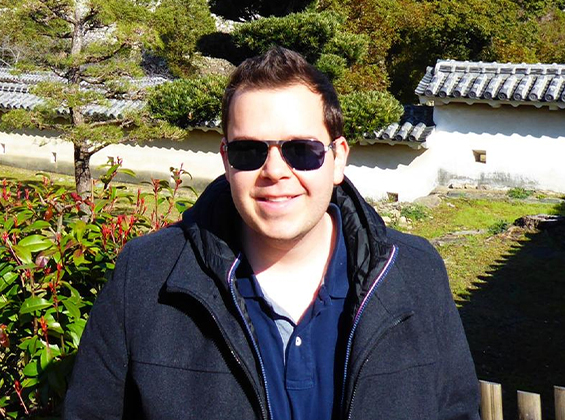
  • George Kipouros  |  Editor & CEO  |  Wanderlust

    George Kipouros | Editor & CEO | Wanderlust

    What made you want to work in publishing?

    I’ve always valued the credibility of print publications – something not easily found in the sea of online noise. It will sound clichéd, but I also love the look and feel of a high-end publication – a magazine that is so good, content and looks-wise, that you want to keep it in your coffee-table or your bookcase.

    I have seen several titles cease publication in the last decade, some very loved ones indeed, with quite a few in travel (Lonely Planet’s magazine being one example). I’ve often read that the online world has been responsible for the demise of many a print publication – but interestingly we do see quite a few traditionally-print titles thrive online. Hence, I am genuinely excited about the challenge of transforming a traditional 30-year-old, print-first travel magazine into a global pioneer in digital travel inspiration and information.

    How has your career history, particularly your time at AI Business, impacted the way you run Wanderlust?

    When I started AI Business in 2014, alongside my dear friend Dan Pitchford, we were the first online news outlet dedicated to AI (Artificial Intelligence). I managed the editorial and content side of the business, focusing on engaging top talent among a limited pool of writers and journalists in the AI space. Dan looked after the commercial development. We started with building a community of loyal readers as we helped them navigate the world of AI – calling out companies that weren’t actually delivering on their promises, while also helping rate the best ones in the market. We moved on to launching the first industry awards on AI (the AIconics), events and exhibitions, a book publishing division, a training academy and a consulting arm. Within five years, we were making £7 million in annual profit, with operations in London, New York and San Francisco. Our business was sold to Informa Plc. Our online news website was a pivotal revenue driver alongside our events and exhibitions.

    Being a pioneer in what you do is key to commercial success. Wanderlust was pioneering in many ways before me joining: the first travel publication to focus on sustainability in tourism, nearly 25 years ago, and the first publication to introduce places like Cuba, Namibia, Laos, and Myanmar as cover-worthy destinations to UK readers. My priority at Wanderlust is to make us a global innovator in the way we deliver content digitally and in the way we inspire and inform our readers’ travels through new technologies including AR/VR. Editorially, I am very eager to help readers see destinations in new light – for example, we recently published a Saudi Arabia cover, introducing our readers to the timeless treasures of the region of AlUla.

    Being authentic is also very important. Wanderlust has a unique voice in the travel world – one that doesn’t blindly follow trends, irrespective of the associated commercial cost. For example, we’re very critical of the Airbnbification of city centres – even though many of our readers will book their accommodation through the online platform. We call out hotels and resorts for ‘greenwashing’ – no, flying over hundreds of bottles of Evian water from France all the way to a remote Maldivian resort isn’t the pinnacle of sustainability, and we will call brands out clearly when we need to.

    Wanderlust’s tagline is “taking the road less travelled” – could you tell us what this means to you?

    When joining the organisation in December 2020, the first thing I did was work with the team to refresh our tagline (previously ‘Travel Well’). I wanted something that demonstrates our unique proposition among travel magazines out there: a magazine that doesn’t focus on the bucket-list-friendly likes of Barcelona, Berlin and New York City but introduces incredible, new corners of our planet to readers of every age group. It is also about spreading the volume of visitors to multiple locations around the world, across all seasons rather than a single season, with respect to the local environment and community fabric. The new tagline represents 30 years of editorial authenticity – Wanderlust is after all the oldest travel magazine still in circulation in the UK and Europe!

    Conversations around sustainability have been dominating the travel industry – what are Wanderlust doing with this in mind?

    Much like Lyn and Paul, the founders of Wanderlust, I am very passionate about sustainability in travel – and it starts with not promoting saturated destinations like Venice and Amsterdam, or mega-cruises and Airbnbs. This does come at a commercial cost to the business of course – our sales team have declined advertising with themes that we feel don’t match our approach to travel.

    To note, sustainability in tourism isn’t only about caring for the natural environment, it is also very much about the impact of the tourism industry on humans. Personally, I am very keen to support indigenous tourism initiatives from around the world as a means to safeguard the incredible heritage and traditions of communities that may have otherwise been at risk.

    What magazine do you stockpile?

    I was a subscriber of Wanderlust for 15 years before joining the organisation, and I think there are very few past copies that I don’t still hold in my bookcase – treating them as handy manuals whenever I am planning my future travels! In my younger days, I would also keep copies of USA’s Travel & Leisure, although my interest faded out as the magazine moved editorially towards lifestyle.

    You are Editor-In-Chief and CEO, what is it like straddling those two roles?

    It’s about taking a holistic approach to driving change at our organisation. After 30 years of formulaic growth, we needed a good editorial refresh, a new look at our overall brand strategy and a very significant drive into the digital world. The changes that I am spearheading span across all sides of the business, although my absolute priority is renewing excitement on our editorial content and significantly expanding our reader base, both in print and online. That said, I’m certainly no pioneer in this sense – as we’re seeing this duality of Editor and CEO in many organisations around the world, including the likes of Time Magazine.

    As an organisation, we’re investing heavily in the Metaverse! Wanderlust became the first travel media brand globally to launch a Metaverse campaign proposition this past March: we presented our first MetaTravel activation to a global audience at The Ritz in London in partnership with ProColombia. It is incredible how close the technology has come to making Metaverse users feel like they’re actually in the destination that they’re immersing themselves in! The Metaverse is still in development, and its potential is far from exploited, but we’re thrilled to be inspiring a whole new generation of travellers through VR/AR, while keeping true to our tradition of authentic, energising storytelling.

  • What Car? and Autocar partner with Auto Trader for used-car sales

    What Car? and Autocar partner with Auto Trader for used-car sales

    The partnership will extend sales opportunities for Auto Trader's retailer partners by reaching a further 24.9 million consumers each year.

    Buyers looking at used cars on each site will now be brought onto Auto Trader’s marketplace, which currently features nearly 440,000 used vehicles.

    Auto Trader will also be the editorial sponsor for used-car reviews and feature articles, all of which will include Auto Trader branding to help drive further awareness among What Car?’s and Autocar’s respective audiences.

    Rachael Prasher, managing director at Haymarket Automotive, publisher of Autocar and What Car?, said: “This is a brilliant partnership between two of Britain’s biggest and best-known car-buying brands.

    “Visitors arrive on the What Car? website at every stage of their car-buying journey, from their earliest research to when they’re ready to buy, and the opportunity to connect our class-leading used-review visitors to the biggest used-car-buying marketplace makes perfect sense."

    Auto Trader COO Catherine Faiers added: “We’ve long been an admirer of What Car?, which has a heritage as long and as rich as our own, with both brands synonymous with the UK automotive-retail sector.

    “At a time when the industry is facing new challenges, this partnership gives us an exciting opportunity to bring new buyers onto our marketplace much earlier in their journey, and in front of our retailer partners’ stock.

  • BMJ joins publisher-led initiative to safeguard integrity of science

    BMJ joins publisher-led initiative to safeguard integrity of science

    BMJ joins the initiative as a participating publisher alongside more than 15 leading publishers, including SAGE, Oxford University Press, Wiley, and Elsevier. Representatives from BMJ are currently part of the collaboration group looking at Image Manipulation Detection, and play a key role on the Governance board for the project.

    Housed within STM Solutions, the operational arm of STM (The International Association of Scientific, Technical and Medical Publishers), the hub aims to offer a holistic approach to detecting manuscripts that offend research integrity principles.

    It provides a cloud-based environment for publishers to check submitted articles for research integrity issues. The technology will be supported by current industry best practices, and with respect to the laws and ethics of data privacy and competition/ anti-trust.

    Simone Ragavooloo, Research Integrity Manager at BMJ, said: “One of the aims of the collaboration hub is to ‘spark and sustain collaboration'. I think this is a great message. There is a limit to what any publisher can achieve alone in the fight against unreliable or counterfeit science. It is essential that we work together to uphold the integrity of the scientific record. The collaboration hub is a promising step in the right direction."

    Ian Mulvany, Chief Technology Officer, BMJ, added: "At BMJ, we are excited to help facilitate knowledge exchange by helping to develop a reliable think tank for publishers to safeguard research integrity in science. This living library of infrastructure and tools harnesses technological innovation to offer a holistic approach to detect research-integrity-offending manuscripts.”

  • The Big Issue launches BetterPod as platform for marginalised voices

    The Big Issue launches BetterPod as platform for marginalised voices

    Created by The Big Issue’s Future Generations team, the weekly interview show tells stories from the worlds of politics, culture, science, design and beyond. Every episode looks at ways we can act today for a better tomorrow.

    The first edition of BetterPod features Wales’ Future Generations Commissioner, Sophie Howe, who reveals how a small country is making waves around the world with their joined-up approach to secure the wellbeing of the unborn.

    She was interviewed by 21-year-old Katerina Sivitanides, a Glasgow-based member of the Future Generations team, alongside Future Generations Editor Laura Kelly.

    Katerina Sivitanides said: "This opportunity at The Big Issue is really important to me. I came into The Big Issue with no podcasting experience, and I never expected to enjoy it as much as I do now. I’ve had great opportunities to talk to people who have really important insights and I’ve have grown more confident.”

    Coming up in the next few weeks, the podcast will also welcome writer and rapper Darren McGarvey, Love Island star and anti-fast fashion campaigner Brett Staniland, ans Everyday Sexism’s Laura Bates.

    “BetterPod covers a wide range of topics, some of which may be unexpected – but that’s the most exciting thing about working with a team of young people with new ideas,” said Kelly.

    “We are listening to the concerns and the hopes of the next generation, which is vital for anyone who wants to leave behind a better society than the one we live in now.”

    Big Issue editor Paul McNamee added: “A recent study by the NCTJ showed that some 80 per cent of journalists come from professional and upper-class backgrounds. At The Big Issue we believe those aren’t the only voices that matter.

    “Through the Future Generations team, we offer a platform for exciting young journalists from underrepresented backgrounds to address the long-term challenges facing our country and our planet.”

    You can find BetterPod wherever you normally listen to podcasts, or find out more at bigissue.com/podcast.

  • Boostr introduces ad spend metric to help publishers grow enterprise value and combat churn

    Boostr introduces ad spend metric to help publishers grow enterprise value and combat churn

    boostr said NARR draws inspiration from the Net Revenue Retention metric employed by Software as a System (SAAS) businesses to measure performance based on customer churn.

    The company found that revenue retention and revenue growth are positively correlated, and that digital publishers with the highest revenue growth rates from 2019-2020 had the best client and revenue retention rates.

    In the same study, boostr found the top 75th percentile of publishers
    retained 72% of revenue year-on-year while the median was 55%.

    NARR measures how much
    revenue is retained from a cohort of customers who spent at the same time the previous year, providing a measure of reccurring revenue.

    Using the product dashboard, publishers can access further insights by breaking out NARR by advertiser, helping inform commercial strategies.

    Furthermore, boostr said NARR helped publishers present in a more 'SAAS-like' way, which could contribute towards higher valuations, thus growing enterprise value for their stakeholders.

    Patrick O'Leary, CEO & Founder at boostr, said: "When I'm talking to CROs and ask them what their churn is, half of them aren't sure, the other half often know, but it's a point in time view because it was so difficult to get the data."

    Tim Daugherty, SVP Revenue & Digital Operations at Vice Media, added: "Revenue retention is critical for publishers and a healthy sign of a strong partnership. NARR provides publishers a new way to measure how they're doing and visibility where action is needed."

    More information is available on the boostr website.

  • Dyson unveiled as headline sponsor of Good Housekeeping Live

    Dyson unveiled as headline sponsor of Good Housekeeping Live

    Taking place from 23 – 25 June 2022, the in-person experience will encompass talks, masterclasses, cookery demonstrations and afternoon teas. It will feature Good Housekeeping’s best-loved experts and favourite stars, spanning the worlds of fashion, beauty, technology, travel, food and finance.

    As headline sponsor, Dyson will work closely with Good Housekeeping to create an array of best-in-class activations, including a Healthy Home AR experience, a Good Housekeeping Institute recommended product demonstration space, and a beauty activation utilising Dyson technology.

    Dyson will also sponsor the Futures authors drinks reception and host a talk on how to create a healthy happy home, featuring UK mental health ambassador Dr Alex George as well as Dilly Carter, organisational expert and star of the BBC show Sort Your Life Out, and a Dyson microbiologist.

    Other confirmed partners include Absolute Collagen, which will sponsor The Beauty Parlour; Travelbag, official travel partner and sponsor of The Wanderlust Café; and Zoflora, the event’s official cleaning partner.

    Sharon Douglas, Chief Brand Officer for Lifestyle, Homes & Weeklies at Hearst UK, said: “We’re delighted to have Dyson on board as headline sponsor of the inaugural Good Housekeeping Live. The event will celebrate everything that we stand for, and as brands who continue to innovate and evolve, Dyson feels like a truly natural partner.”

    Charlie Park, Vice President of Floorcare at Dyson, added: “Dyson technology has been rigorously tested by the Good Housekeeping Institute for almost 30 years, and it’s wonderful to see that our products continuously excel in their testing. We are delighted to partner with Good Housekeeping to celebrate this special anniversary year.”

    For full details, visit goodhousekeeping.com.

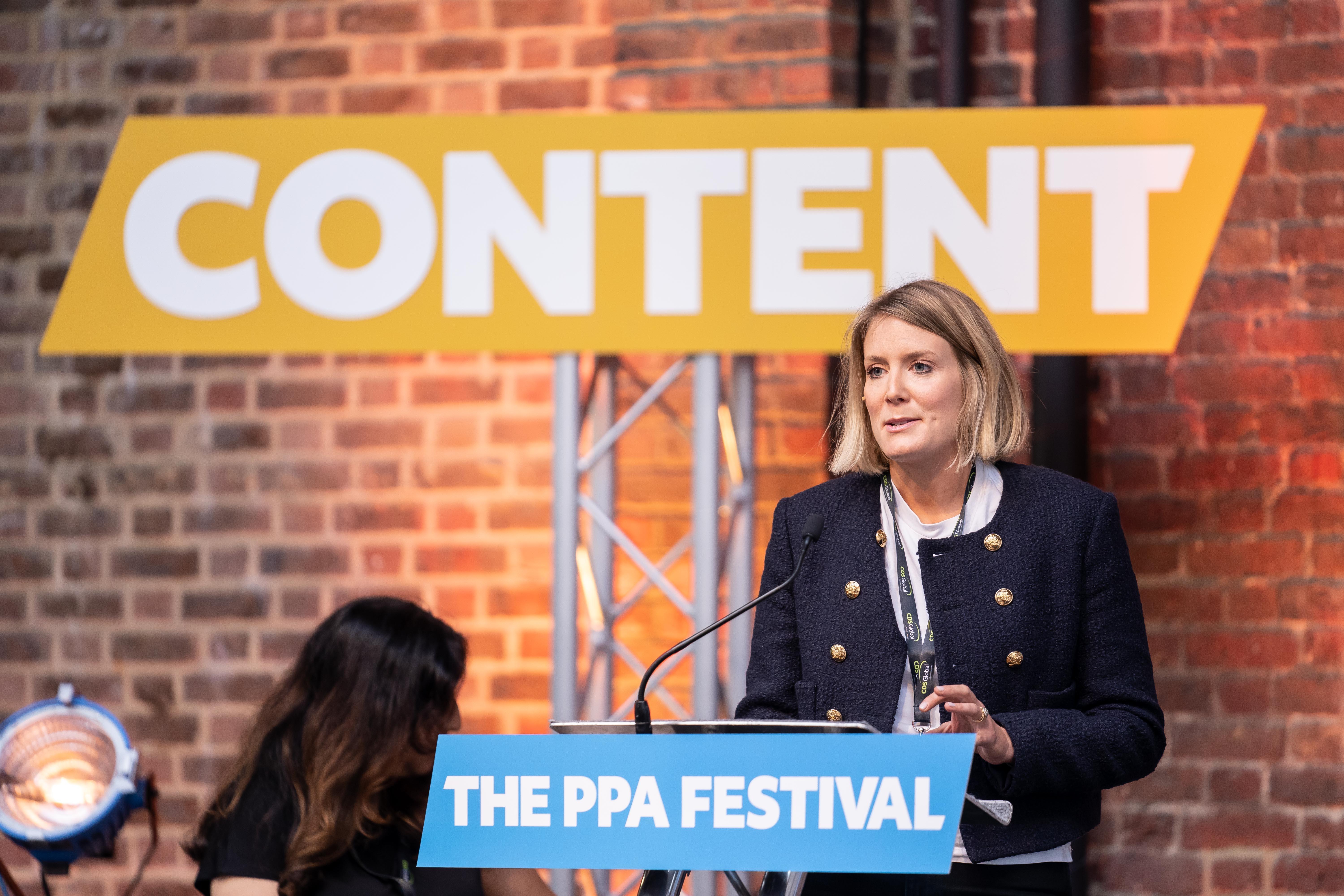
  • PPA Festival 2022: The CONTENT Stage Summary

    PPA Festival 2022: The CONTENT Stage Summary

    Champions for causes that matter

    For Grazia editor Hattie Brett, campaigning has never felt more important in a world where consumers want brands to be more than just a ‘trend supporter’. It all starts by questioning where your audience’s passion lies – what are the issues that really matter to them? When you pick up their response to these issues, then you need to react quickly and fulfil your responsibility as a journalist, giving the audience a voice and taking action on their behalf. In Grazia’s case, that has meant a busy few years tackling mental health awareness, the rough sex defence, childcare costs and cyberflashing. The BMJ might not be on quite the same campaigning streak but the title’s decision to raise the issue of racism in medicine opened the door to a groundswell of cross-industry support. Dr Navjoyt Ladher said the title learned the importance of focusing on a campaign purpose, planning ahead and maintaining momentum in order to move the needle and make things happen.

    Globally aware and locally relevant

    In a connected world, brands also need to connect their editorial thinking at a global level. Ask Adam Baidawi, who says that siloed working practices at international editions of GQ are being replaced by a global, collaborative approach that avoids unnecessary duplication of effort. William Drew explained that The World’s 50 Best Restaurants is a brand that also adopts an international mindset – it might be focused around a centralised, UK-based team but its network of local contacts provides the means to tap into local tastes and sensibilities. This highlighted the importance for both speakers of maintaining the balance between a central voice and localised tone (in print or events), and how impactful stories and universal themes have the power to travel throughout the world.

    Representative of their readers

    What started out as a gender diversity initiative at one BBC programme has evolved into the BBC 50/50 Project and this session looked at how it is being adopted among emap brands – and New Civil Engineer in particular – as a way of bringing greater diversity and inclusion to published content. One of the lynchpins to success is having an internal champion to push things forward – a role fulfilled by Martin Quinn at emap, who has overseen growth of the scheme to 13 titles in the group. Editor Claire Smith said representation within New Civil Engineer’s pages was crucial to address a lack of women entering the sector and their high drop-out rate. Achieving that through 50/50 is driven by a simple combination of commitment and counting. It remains a challenge, but the title has made real progress in print and events. The BBC’s Miranda Holt concluded with information on how the scheme is now going beyond gender, focusing on ethnicity and disability as part of a wider inclusivity agenda.

    Endless innovators

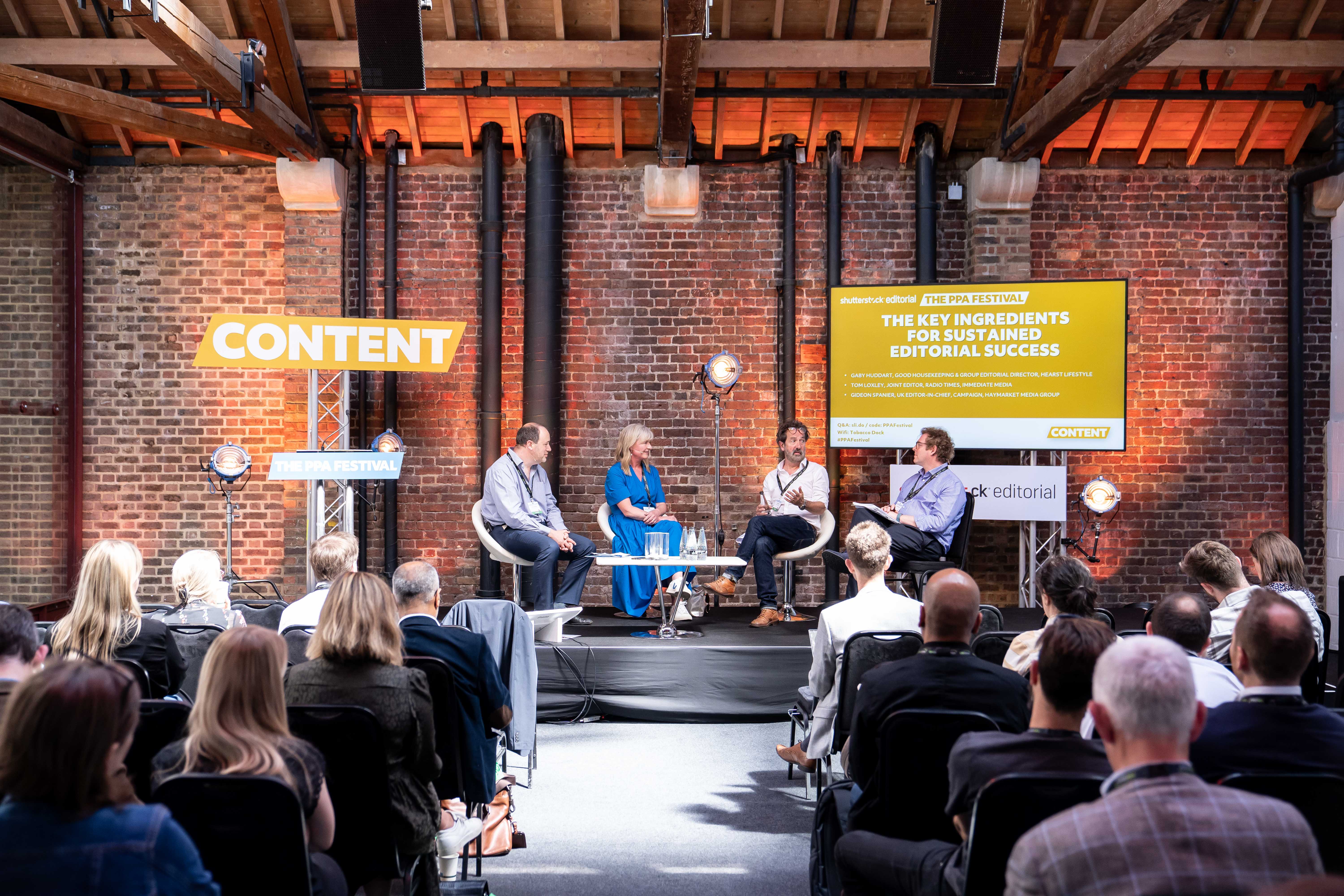
    With a combined age of 253, Good Housekeeping, Radio Times and Campaign are titles that have more than stood the test of time. But while you need to stay true to your brand proposition, you can’t be weighed down by your heritage – you need to respect it and use it as a platform to innovate, said Good Housekeeping’s Gaby Huddart – a brand that instead of stopping to celebrate its centenary is looking ahead with moves into events, TikTok and new brand licensing deals. As editor, it means being across a range of platforms that each serve their own purpose, finding the sweet spots where content works for audiences and commercial partners alike, and respecting the editorial heart of the title. All panellists were agreed that overcoming the challenges of the past few years has been an achievement – noting that Tom Loxley of Radio Times and Gideon Spanier of Campaign both started in their roles immediately prior to lockdown – but they were excited at coming back together as teams. After all, that’s the place where the editorial magic really happens.

    A trusted voice amid the noise

    Social media channels are hungry animals. Laurence Mozafari of Digital Spy said it’s about understanding what each platform can give you – is it revenues, engagement, visibility? – and then focusing your efforts accordingly. Better to do fewer things well than spreading yourself too thin. The panel also advised using the tools at your disposal and going back to the data to understand where and how your content resonates. There was also a word of warning from HSJ’s Alastair McLellan that agility can be an asset but it’s equally important to know that reactive commentary can sometimes ignite strong reactions. Ria Jones of The Economist underlined the invaluable role of publishers in using social media to speak truth in the world. This point was underlined by Laurence and echoed by Alastair, who summarised the nature of this give/take relationship: “It’s about using the power of social media to show the power of our journalism.”

    The CONTENT stage was sponsored by Shutterstock Editorial

  • What we learnt from the TOGETHER stage at PPA Festival

    What we learnt from the TOGETHER stage at PPA Festival

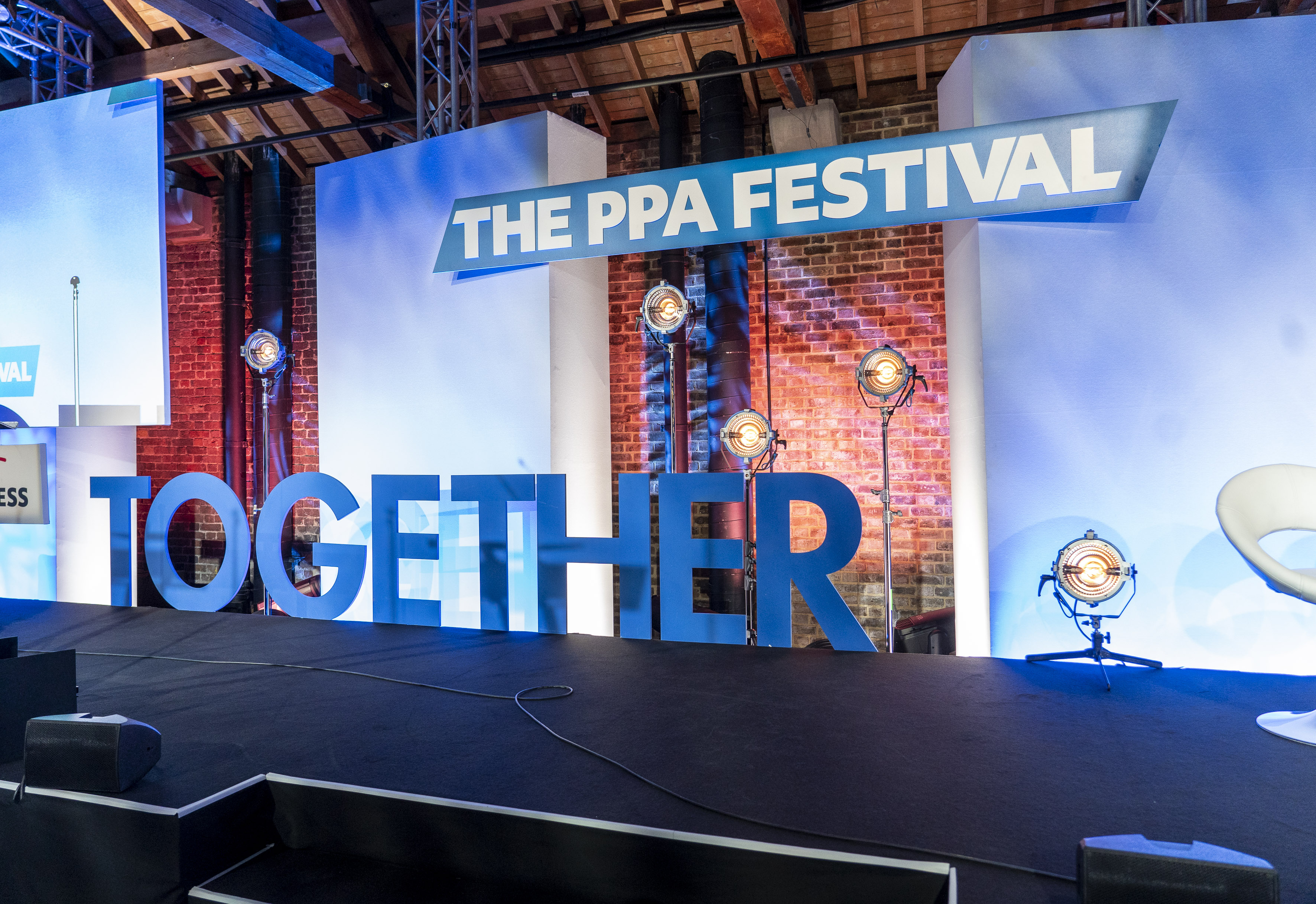
    The stage was christened with two inspirational speeches from PPA Chair, Nina Wright and PPA CEO Sajeeda Merali. Sajeeda unpacked the true meaning of interest, musing it’s ultimately a reflection of connection between people and belonging. Nina spoke of unity and strength in numbers. She championed the idea that we as an industry are stronger together, putting us in the best possible position for ongoing lobbying work conducted by the PPA.

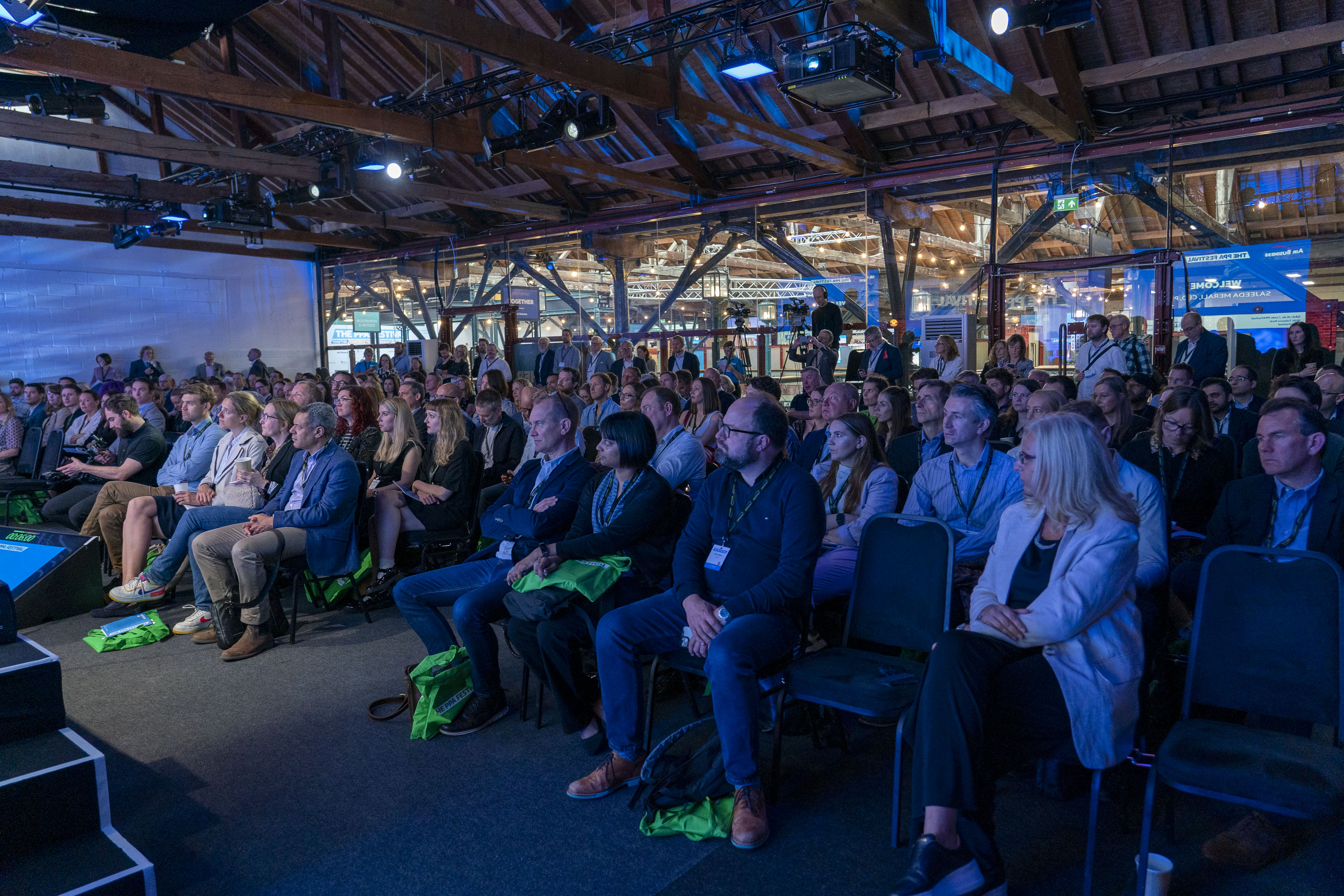
    With the 500 delegates feeling energised by the uplifting commentary on their sector, the panels began…

    Asset valuation: How to cultivate a successful company culture

    This panel with speakers Gnosoulla Tsioupra-Lewis, Chief Talent Officer from The Economist Group, Mary Langan, Founder & Director of Nua Training, Simon Foster, Group CEO of Arc, and Tom Bureau Executive Chairman of Immediate Media, discussed the magic ingredients for creating a happy work force. The overarching focus was around investing into your people. People were discussed as publishers’ most valuable assets, with the creation of a happy company culture as the secret weapon. But how do you create such a culture? Lead by example, everyone from the top of the organisation to new starters should embody the company culture.

    Take no hostages: A masterclass in negotiation success

    Simon Horton, Founder of Negotiation Mastery gave the audience a practical summary of tools and techniques for avoiding friction and negotiating success. Approach the person you are negotiating with much like a lobster, get beyond their hard shell and build a genuine rapport. Easy to remember right?

    Revenue diversity: The business models shaping publishing's future

    For this session we had contributions from a spectrum of speakers from our sector including: Brian Morrissey, Founder of The Rebooting, former Editor-In-Chief of Digiday, Neil Michael, International Chief Revenue Officer at Foundry, Clare Dove, UK Group Commercial Director at Future and Rachael Prasher, Managing Director of the Automotive Division at Haymarket Media Group. The four different businesses represented by these speakers function in very different ways, but one thing was clear, how you treat your audience is key to the management of smooth transitions into forging new revenue streams.

    Best-laid plans: Leadership strategies for turbulent times

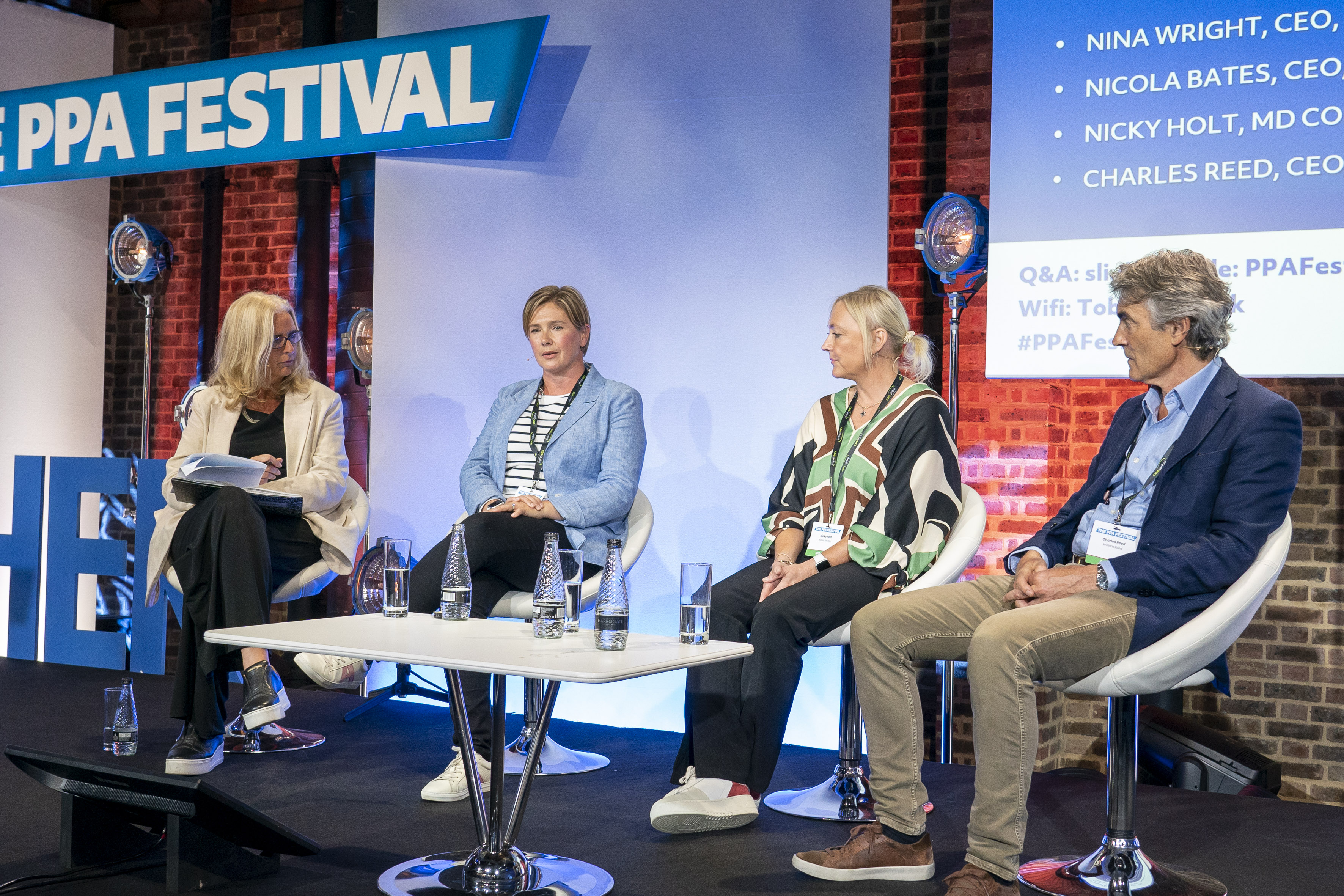
    One of the joys of the PPA Festival was the opportunity to gather titans within specialist media. this panel was no exception. We were joined by Charles Reed, CEO of William Reed, Nicky Holt, Managing Director of Commercial at Bauer Media, Nicola Bates, CEO of Autovia, and Nina Wright, CEO of Harmsworth Media and PPA Chair. The group reflected on the difficulties caused by pandemic, increasing paper costs and global conflict. Their advice was to unite under your brands to build resilience in uncertain times.

    Consuming Passions: our human need for shared connections and how magazines are propelling engagement at a time of change

    For our final session of the day, the Together stage was graced with an enlightening discussion from Rory Sutherland, Vice Chairman of Ogilvy UK, and Claire Beale, Partner at Creative Salon. Lots was covered in this session but there was one particular thought-provoking moment that stayed with our delegates. Rory argued that solely focussing on subscription generation potentially alienates a segment of audience that only want to read a few articles a month. It was argued that selling content should not be treated as an all or nothing issue. What was expressly clear through this discussion, was that magazine media continues to be deeply trusted and engaged with by its specialist audiences.

    The TOGETHER stage really had a topic for everyone within specialist media and was filled with thought provoking insight from start to finish. One thing was clear making sure your communication streams with your teams and your audiences are the keys to success.

    The TOGETHER stage was sponsored by Air Business

  • DC Thomson launches innovative new recruitment programme

    DC Thomson launches innovative new recruitment programme

    A new approach for DC Thomson recruitment has launched, the first step in evolving the way people are brought into the company.

    Responding to the ever-changing job market and the company’s ongoing transformation strategy, DC Thomson Pathways takes a creative approach to recruitment. The programme is giving the company access to people (particularly in software engineering and insight roles) to help grow skills and improve diversity and inclusion.

    DC Thomson Pathways is running as a pilot programme for positions within the Product & Technology (P&T) and Insights, Data & Audience (IDA) teams, looking beyond the traditional recruitment market process.

    For the pilot, the company is working with digital skills academy CodeClan and career break specialists Women Returners to bring talent into the business, potentially recruiting 20 colleagues in the first year of the programme.

    Roles include software engineers, data analysts, UX/UI designers, project analysts and product owners.

    Once with the company, new employees will be supported with a coaching programme created especially for their cohort, buddy system and a learning-led culture.

    DC Thomson director David Thomson said: “The strength of DC Thomson is our people. Over the company’s 117-year history, our strategy has always been about seeking out the best people and helping them grow.

    “We have ambitious growth plans and a huge part in achieving them is having the right people with us. The Pathways programme is a crucial part of that journey.”

    Those interested in joining the DC Thomson Pathways programme can find out more by contacting CodeClan or Women Returners.

  • Five takeaways from the PEOPLE stage at PPA Festival 2022

    Five takeaways from the PEOPLE stage at PPA Festival 2022

    In publishing, creativity trumps productivity

    Throughout a modern economy, HR Directors lie awake at night obsessing about how to motivate their workforce to churn out five per cent more widgets. Not so in publishing! The success of our industry hinges upon people being fired with the spark of creativity – a flair for attention-grabbing prose, and a passion for trying stuff tomorrow that’s different from what you did yesterday. The creative spark cannot be taught but it can be nurtured. Jill Ford (Head of HR, Bauer Media) and Olivia Crellin (Founder, PressPad) both set out a bold agenda for HR teams at the top of their game – they need to foster a culture that will release creative juices. The publishing human resource development (HRD) is not unlike a gardener tending to a field of lush marigolds. Pay attention to the environmental conditions, and – coupled with regular feeding and occasional pruning – the vibrant colours will explode in a cornucopia of hypnotic beauty.

    Received wisdom ain’t so wise

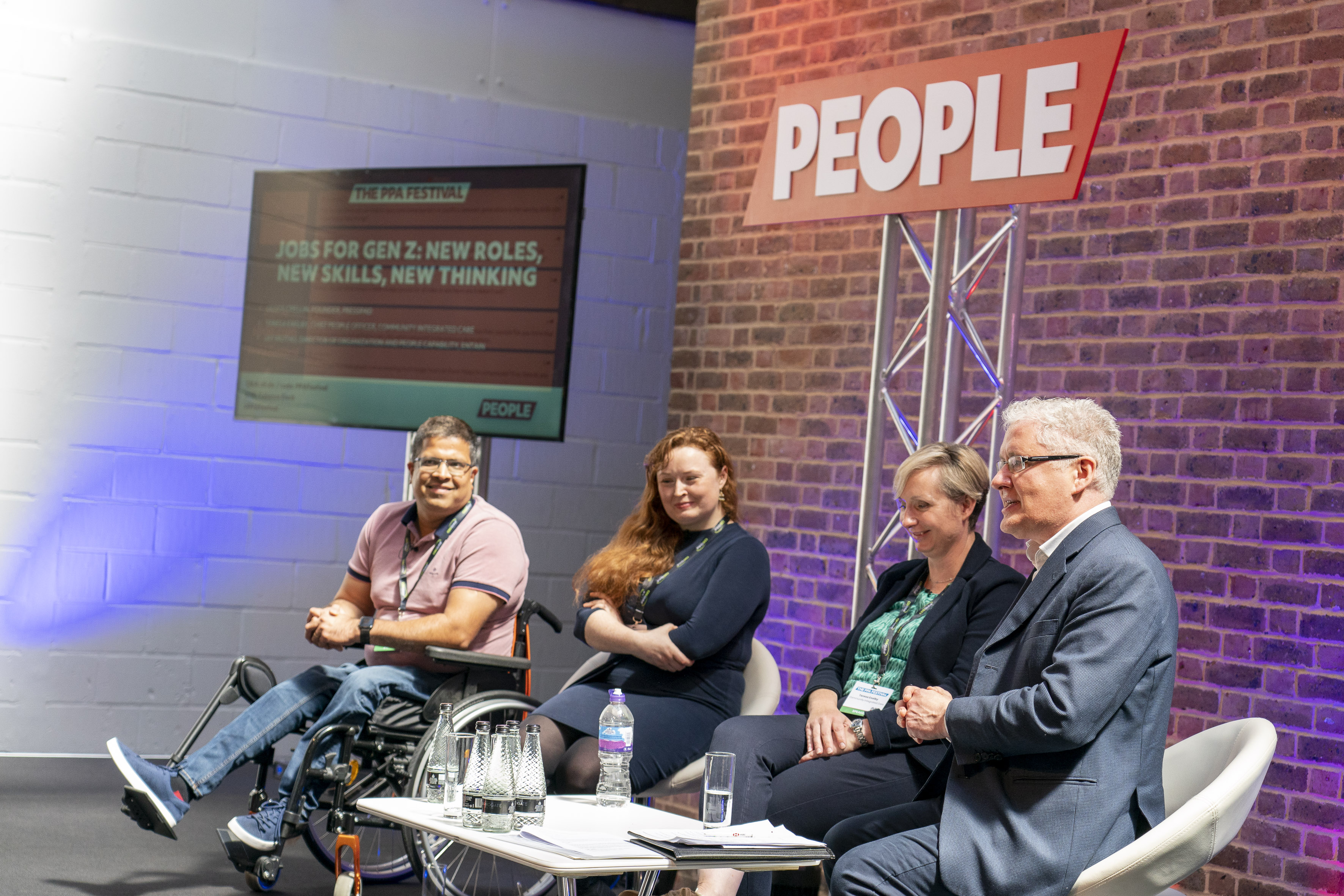
    Like so many of us, HR take comfort in tested solutions. But even the Rolling Stones on tour need to mix up their greatest hits with some new material. Teresa Exelby (Chief People Officer, Community Integrated Care) and Jay Muthu (Director of Organisation and People Capability, Entain) hailed from vastly different sectors – but each faces, in their own way, a challenge shared with the publishing sector: how the blazes do you attract, motivate and retain the best and brightest that Gen Z has to offer? The answer is to challenge shibboleths passed down through the generations. Why insist on a five-day week if compressed hours gives a better outcome? Why take two months to offer a position, if that allows other employers the window to swoop? Why force your new starters to spend their early days sat through interminable lectures about the pension plan when you could be inspiring them with tales of corporate derring-do? Why force them into a corporate hierarchy designed for a different era when you could shape your organisation to put people first?

    Adaptability is greatness

    Who would hire a computer engineer whose skills hadn’t progressed since they were fixing Olivetti mainframes in the 1950s? Making an impact in your career is no longer about acquiring skills in your 20s which you can still ply decades later. For both Peter Cheese (CEO, Chartered Institute of Personnel Development) and Surinder Simmons (Chief People Officer, Hearst Europe), the modern workforce should be a bubbling cauldron of people desperate to adapt to new opportunities, technologies, expectations. Did a single corporate risk register in 2019 foresee an era marked by pandemic, lockdown, ten per cent inflation or war in Europe? A publishing exec with a single tool in their kit will fizzle, flop, flounder, fold and fail during such turbulence. But those equipped with the mental agility and street-smarts to adapt will prosper. No one can confidently predict the size and shape of the publishing world in 2030. But we be certain of one thing – it will be vastly different from our industry in 2022. A dynamic workforce will be one that can keep pace with these changes. An even better one will pioneer them.

    The workplace is not bricks and mortar

    Neither is it your home. Panellists from Morna Dason-Barber (HR Director, Institution of Engineering and Technology) to Mike Gedye (Executive Director, CBRE) were critical of the simplistic binary notion that people should either work from the office or from home. We agree – how barren is the world in which those are the only options? The workplace is fundamentally about congregating, collaborating and people performing their best. If that’s in serviced offices, a coffee house, or the Fox and Hound then so much the better. There will always be some type of role for “the office”, but there’s no benefit forcing your teams to brave the early morning commute (that’s assuming it’s a ‘no-strike day’ on the trains), only to sit on zoom calls all day. HRDs must think imaginatively about how they can configure the workplace, so people see a positive value in being there. The panellists shared images of a selection of workplaces that have gloriously risen to the challenge.

    Never be deterred by the faint embers of a flailing resistance

    Jo Brandl (Group HR Director, Immediate Media) has worked miracles driving change within the workplace but the gains were not always easy. A more diverse and inclusive workplace is widely welcomed, but the enthusiasm is scarcely universal. How to deal with the forces of inertia? Is it through top-down authority or the power of persuasion? Few people in the land can speak with such direct experience of overcoming resistance as Maria Miller MP, the cabinet minister who took the same sex marriage legislation through parliament and onto the statute book. For her, building alliances was the essential to success. At the time, the change was highly controversial and hotly contested – months later, it was part of the mainstream. This should be welcome encouragement to anyone else rising from their haunches to promote the cause of equal opportunities. The obstacles might at first seem foreboding; rest assured, they are not impenetrable.

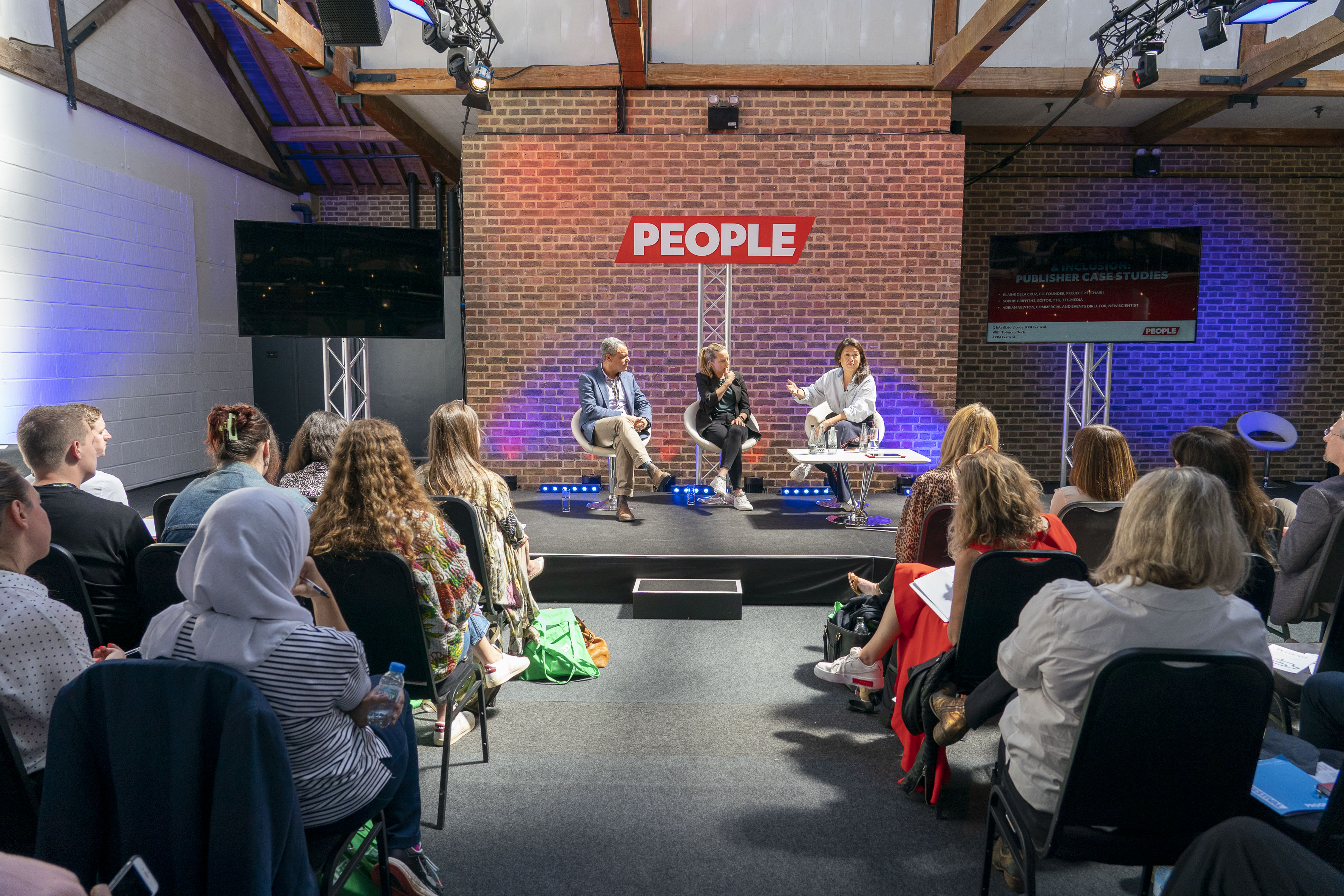
    The People stage was an absolute blast. 12 incredible guests, the best stage manager and sound engineer in the land, and (most importantly!) a vocal and enthusiastic audience – which included regular a few recurring faces who stayed with us throughout the day, as well as newcomers for the later sessions who – we like to think – had picked up the strong word of mouth, and were mustard keen to find out more. Most importantly, a brim-full agenda with enough fascinating discussion points to last a Galapagos tortoise’s lifetime. Let’s all do it again next year!