Author: Sebastian Cuttill

  • Sir Bill Jeffrey to conduct external review of IPSO

    Sir Bill Jeffrey to conduct external review of IPSO

    The former civil servant’s external review, which will be conducted independently of IPSO, will report on how effectively the organisation is fulfilling its role as regulator of the UK newspaper and magazine industries. It will examine whether IPSO has been faithful to its publicly stated principles and values and consider how IPSO regulation has adapted to changes in its external environment. It will consider how IPSO should prepare for the future and consider the resources needed to achieve its objectives and making recommendations where appropriate.

    Sir Bill is inviting submissions from relevant stakeholders, but also very much welcomes comments and views from anyone who has knowledge of IPSO and its work.

    A dedicated website, independent of IPSO, with a dedicated questionnaire or an email address to which submissions may be sent is available at: www.ipsoexternalreview.co.uk. Submissions are welcome until the end of November.

    The PPA would encourage all IPSO members within our membership to engage with the Review, as evidence from those with a close working knowledge of IPSO and its work will be extremely valuable.

  • Online Safety Bill to return without ‘legal but harmful’ content protections

    Online Safety Bill to return without ‘legal but harmful’ content protections

    Under the original plans, Category 1 services (larger user-to-user services such as Twitter and Facebook) would have to set out in their terms and conditions how they would deal with ‘legal but harmful’ content appearing on their platforms. The removal of this content category will leave illegal content and content that is harmful to children as the Bill’s key focuses.

    Elon Musk’s takeover of Twitter has brought tensions between free speech and platform regulation into focus. Musk tweeted “the bird is freed” following his acquisition, with EU Commissioner Thierry Breton responding: “in Europe, the bird will fly by our rules”.

    PPA continues to hold concerns that independently regulated specialist publishers are not given equal protections to those of current affairs-focused titles. “Recognised news publishers” will now be given stronger protections than a more general (and ill-defined) category of journalistic content, making it all the more critical that specialist titles that adhere to the same journalistic standards as newspapers are given equal protection. Our position was echoed by the Joint Committee which scrutinised the draft Bill, and senior SNP and Labour MPs put forward amendments to rectify the oversight in the Public Bill Committee.

    We will continue to work with Government and legislators to ensure that UK citizens are not denied access to quality journalism from PPA members.

  • New Minister to lead on Online Harms and Digital Markets

    New Minister to lead on Online Harms and Digital Markets

    The PPA met the Minister in his former role at the Department for Business, Energy, and Industrial Strategy, where he also held responsibility for elements of the legislation that will empower the Digital Markets Unit. He also oversaw postal regulation in the UK, and answered questions posed by Helen Hayes MP on the impact of poor Royal Mail delivery on a publisher in her constituency.

    The Minister’s responsibilities mean he will play a key role in creating a sustainable environment for specialist media businesses and the wider press and media sectors. The Conservative politician is a strong euro-sceptic, supporting the Leave Means Leave campaign group. He was elected to the Commons in 2015, representing the constituency of Sutton and Cheam.

  • Labour Leader backs legislation to level the playing field between platforms and publishers

    Labour Leader backs legislation to level the playing field between platforms and publishers

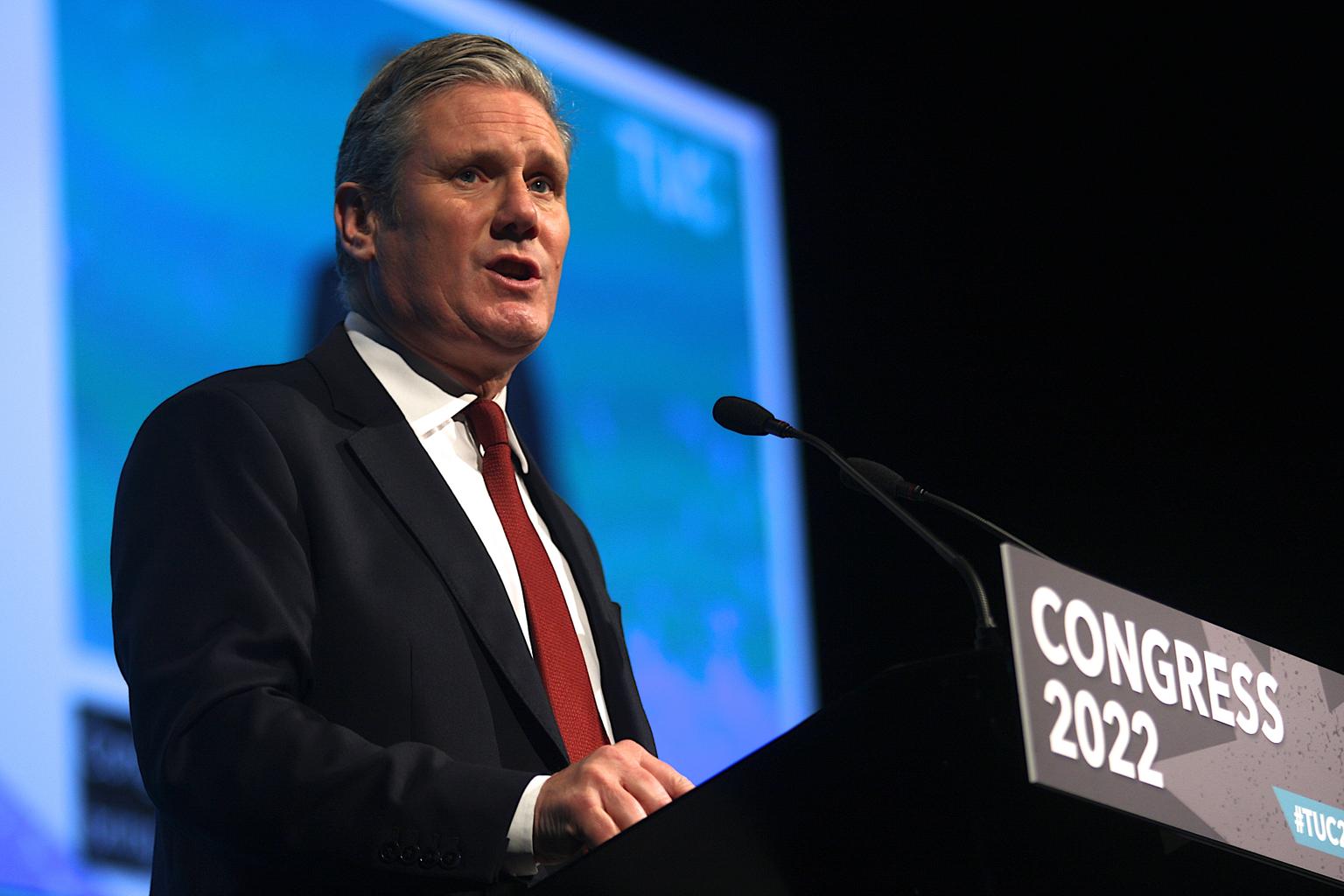
    In his piece, Starmer stated: “In the platform age, it’s only fair that creators are fairly rewarded for their work and not just the platforms that profit from it. That’s why we support moves to make platforms pay for news content and to give newspapers and publishers greater control of their data and content. The government must act to secure the future of our media”.

    The Labour Party’s recently published industrial strategy also voiced support for digital competition legislation.

    Accusing the Conservative Party of “dragg[ing] its feet” on digital competition legislation, Starmer acknowledged that big tech companies have come to dominate the digital advertising market. The Labour Leader also observed that the “creative industries and the pipelines for the talent they nurture are a driver of economic growth in lots of cities around the UK”.

    Google and Meta dominate the online advertising market, with Google-run services dominant at every stage of the ad tech supply chain. This means that advertisers pay more for adverts and content providers lose out on ad revenues – the Competition and Markets Authority (CMA) has found that publishers receive only 65% of online ad spend. This dominance also gives Google and Facebook a quasi-regulatory role in relation to data protection.

    The Government has so far not published the draft Digital Markets, Competition and Consumer Bill promised in the Queen’s Speech, which would empower the Digital Markets Unit to rebalance the relationship between platforms and publishers. This is despite a range of jurisdictions around the world forging ahead with their own solutions, many of which were inspired by work conducted by the UK’s Competition and Markets Authority (CMA).

    The legislation to empower the DMU will likely set out three Objectives for the new digital competition regime: Fair Trading, Open Choices, and Trust and Transparency. A number of Principles will be articulated from these Objectives, and put into the legislation. Drawing on these Principles after the Bill is made law, the DMU will be able to develop Codes of Conduct specific to each SMS firm’s business model, aiding compliance. Whilst the guidance would not be legally binding, it would help SMS firms and UK businesses and consumers by clarifying what behaviour may breach the Code.

    The PPA continues to engage with parliamentarians, civil servants, and regulators to call for the swift empowerment of the DMU and ensure that specialist publishers are prioritised when the regulator is able to enforce the new regulations.

  • Meta threatens to switch off news in response to Canadian law

    Meta threatens to switch off news in response to Canadian law

    The Canadian Government has calculated that its Online News Act could see payments worth over £200 million to news publishers, covering up to 30% of their editorial costs. The Bill is intended to be passed this year, but could be delayed until 2023. A similar piece of legislation in Australia has seen deals worth around £115 million per year struck between Meta and Google, with the threat of designation under the new Bargaining Code enough to see the platforms enter negotiations.

    Crucially, under proposals set out by the Competition and Markets Authority and Ofcom for how similar outcomes could be achieved through empowering the Digital Markets Unit (DMU), the requirements for tech giants to compensate publishers would not be confined to core news publishers.

    The PPA continue to monitor international developments to understand how policies developed in other jurisdictions could be applied in a UK context, as well as maintaining dialogue with Government to ensure that specialist media businesses, including smaller publishers, will benefit from DMU regulation.

  • Commons Committees call for Digital Markets Unit legislation to be published

    Commons Committees call for Digital Markets Unit legislation to be published

    The report called on the government to “publish a draft…that would help deter predatory practices by big tech firms” and warned that consumers would be “at risk if Digital Markets Unit [was not] given teeth”.

    The Committee noted that there is “strong evidence of abuses of market dominance which warrant intervention” and recommended that the draft Bill be “published without delay”. In answer to a recent parliamentary question tabled by Jess Phillips MP, DCMS Minister Damian Collins stated that “The Draft Digital Markets, Competition and Consumer Bill […] will be published as soon as parliamentary time allows. Arrangements for pre-legislative scrutiny will be decided in due course”.

    In a Digital, Culture, Media and Sport (DCMS) Select Committee hearing last week, Chair Julian Knight MP pushed Minister Julia Lopez on why pre-legislative scrutiny of the Bill was necessary. The Director for Media and Creative Industries with the DCMS, Robert Specterman-Green, cited payment for content as a key area of contention in the pre-legislative scrutiny stage, noting that the social media platforms have “different incentives” to the publishers in this discussion.

    When asked about what lessons the Government has learned from Australia’s moves to introduce a mandatory bargaining code between tech platforms and publishers, Lopez noted that the Government would need to be “very careful” that the DMU does not run the risk of driving content off platforms altogether through “excessive intervention”. She added that that the CMA is very conscious of ensuring smaller publishers are protected and that any power imbalances are addressed. The CMA would be “open” to allowing a similar collective bargaining model for small local publishers in the UK to that negotiated in Australia, she added.

    The PPA continues to engage with Government and parliamentarians to push for Digital Markets Unit legislation to be brought forward, as well as continuing dialogue with Digital Markets Unit and DCMS to ensure the substance of the policy is as effective as possible.

  • Rishi Sunak: a supporter of digital markets regulation and press freedom

    Rishi Sunak: a supporter of digital markets regulation and press freedom

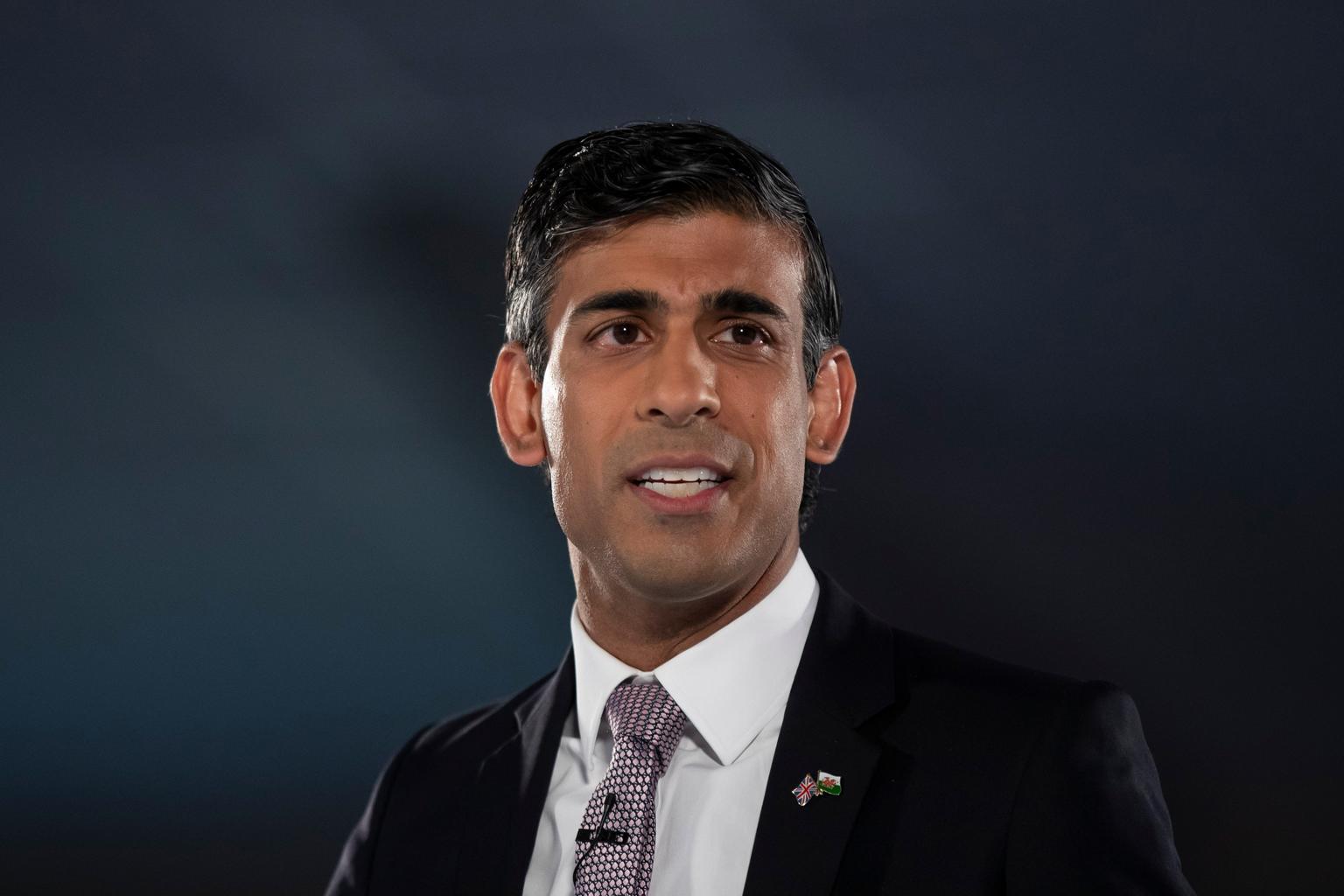
    In a letter during the (previous) Conservative leadership election, Sunak committed to empowering the Digital Markets Unit, stating that he would take forward the necessary legislation this autumn: “including measures to ensure fair terms between publishers and platforms”. He also noted his decision as Chancellor (taken after years of campaigning by the PPA and Publishers Association) to zero-rate VAT on digital publications.

    Sunak also promised to repeal section 40 of the Crime and Courts Act as a matter of urgency, stating it is “vital that we remove this measure which seeks to coerce the press and stifle free speech ahead of the next General Election”. If ever activated, Section 40 would force publishers to sign up to a state-backed regulator or be compelled to pay both sides’ costs in legal disputes, even if they win the case.

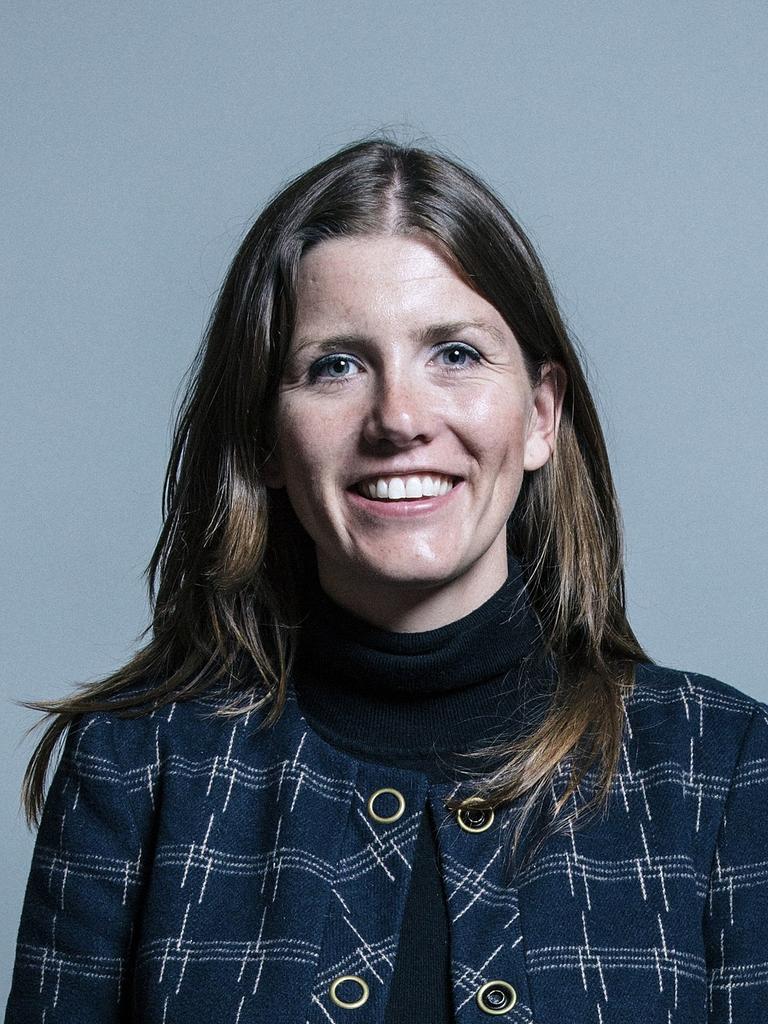
    On Tuesday, Sunak chose to re-appoint Michelle Donelan as Secretary of State for Digital, Culture, Media and Sport. You can read a PPA article for Press Gazette setting out what the Secretary of State should do to support the sector where she began her professional career here.

    The PPA looks forward to engaging with the new Government to ensure that these commitments are carried out swiftly, as well as engaging on other policies that will bolster the long-term sustainability of the specialist media sector.

  • DCMS Secretary commits to bring forward Digital Markets Bill in the current parliamentary session

    DCMS Secretary commits to bring forward Digital Markets Bill in the current parliamentary session

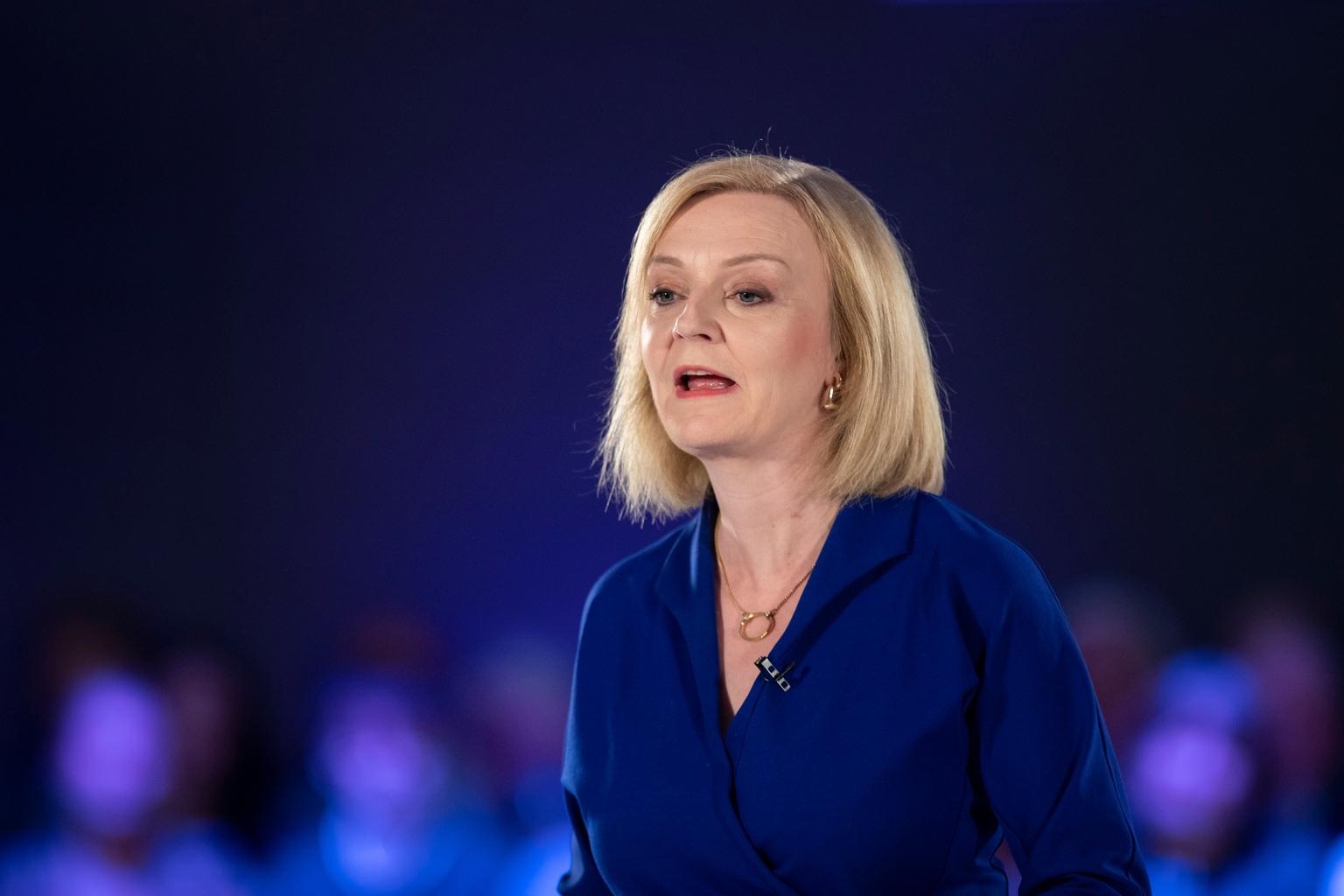
    The Secretary of State told a Policy Exchange think tank event that the Bill ‘is certainly alive and kicking’ but could not provide an exact date. This follows a commitment by Prime Minister Liz Truss during the Conservative leadership contest that the legislation would be prioritised.

    As well as rebalancing the relationship between large tech platforms and specialist media businesses, a fully empowered Digital Markets Unit (DMU) will unleash innovation and competition across the UK’s digital economy, supporting thousands of small businesses and millions of consumers.

    A failure to bring forward the legislation will not only allow big tech’s anticompetitive practices to persist, but also risks the UK falling behind other jurisdictions. Further, the economic downturn presents a key opportunity for platforms to acquire companies at reduced prices, further entrenching their market power and potentially reducing the efficacy of regulation. This makes swift empowerment of the DMU all the more vital, and the PPA continues to call on government to bring forward the necessary legislation at the earliest possible opportunity.

  • PPA at Party Conferences

    PPA at Party Conferences

    In Liverpool, the Labour Party hoped the country would finally see them as a government in waiting, but this was in large part achieved by settling old intra-party battles. The new Conservative Prime Minister Liz Truss had hoped her first conference as leader would be a chance to pitch her new economic plans to the UK – instead, rebellion from her own MPs would instead set the tone for perhaps the most tumultuous Tory gathering in a generation.

    Despite the theatre, one thing is certain: party conferences really matter. As tempting as it is to dismiss the intrigue as clashes of personality or power grabs, the battle of ideas and policy is most often at the root of it. Away from the set piece speeches in the main hall, hundreds of ‘fringe events’ give public affairs types (including your PPA correspondent) the opportunity to question ministers and swap ideas with policy wonks from influential think tanks. Government policy is interrogated in the presence of those who have devised it, and is defended with a depth and frankness not often heard on the Today Programme.

    However, speeches in the main hall are still an important indication of a government’s priorities. Secretary of State for Digital, Culture, Media and Sport Michelle Donelan used her conference address to commit to reforming GDPR and promising to focus the Online Safety Bill on protecting children, whilst also protecting freedom of speech. Her Labour counterpart Lucy Powell observed that ‘platforms wield the power, shaping what we think, buy, work and how we access services’, committing to ‘world leading regulation’ to unlock the power of a digital revolution.

    The conference also offers a chance to speak to MPs one would not normally encounter, and in settings far more conducive to building relationships than the greenhouse-like atrium of Portcullis House (the disappointingly modern building across the road from parliament where most MP meetings take place). You can sidle up and pick the brains of a minister who it might take weeks or months to meet if you go through the Department. Perhaps even more importantly, there is a chance to speak to the special advisors who are the ministers or shadow ministers’ eyes and ears.

    There are some clichés of conferences which will never fade: the wine will be warm, many attendees will be stricken with illness (a ferocious brand of political ‘freshers’ flu’), and the train back to London will be so preposterously packed as to spur talk of renationalisation amongst the Labour delegates. But beyond the trivialities, this year’s gatherings told a compelling story about the state of UK politics ahead of the next election. Clear dividing lines have been drawn between Labour and Conservatives on the economy, and the lack of political honeymoon for Liz Truss has given Kier Stammer a concerted spring in his step.

  • Royal Mail strike action to cause disruption for several months

    Royal Mail strike action to cause disruption for several months

    The CWU has given formal notification for three days of strikes on 13, 20, and 25 October, impacting workers who collect, sort, distribute and deliver parcels and letters. Royal Mail will not be delivering any letter mail (which encompasses magazine mail) on strike days.

    Although it has not yet given formal notification, the CWU is also planning strike action impacting various parts of Royal Mail’s operations on the following days:

    – Network & National Distribution: 2, 8, 14, 23, 30 November

    – Parcel and letter processing and distribution; Royal Mail international parcel and letter services; Collections (customer, Post Office, post boxes): 3, 9, 15, 24 November & 1 December

    – Parcel and letter deliveries: 4, 10, 16, 25 November & 2 December

    The PPA will continue to engage with Royal Mail to ensure that disruption to publishers’ subscriptions businesses mitigated as much as possible, including ensuring that services return to normal as quickly as possible following scheduled strike action.