Author: Abi Murphy

  • Supporting the next generation of talent in 2026

    Supporting the next generation of talent in 2026

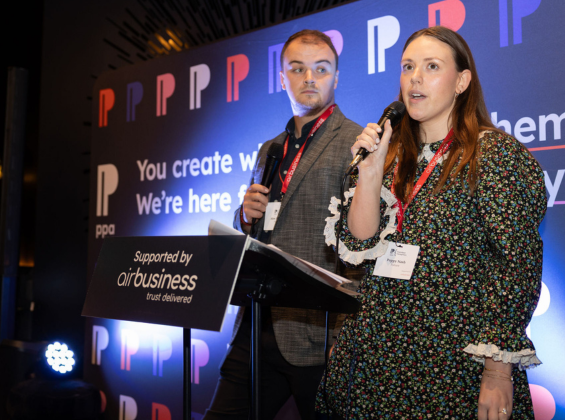
    At the recent PPA Member Reception, two of the PPA’s Next Gen Board, Poppy Nash, Managing Editor at Who What Wear, Future and Alex Laybourne, Head of Marketing for Subscriptions and Live Events, Haymarket, shared the plans for 2026 to promote the sector.

    Careers fairs

    One Next Gen working group is looking to help bridge the gap between education and the world of work, reaching young people at the critical moment they decide their future. “By nurturing these connections now, we hope to build a sustainable talent pipeline for all our businesses.”

    The Next Gen Board is kicking off the new year at a large-scale careers fair with the mission to help shatter the ‘image problem’. Right now, young talent thinks Publishing is mainly about becoming a journalist. Chatting to attendees will help show that the sector offers careers in data, digital, product, video, technology, and AI… the list is endless.

    As a sector we have to compete for this talent, showing the Computer Science grad why a media brand is more exciting than a bank. To do this, the Next Gen Board is looking to build a network of ambassadors – the people inside PPA member companies – to be the face of this campaign.

    They are inviting members to get involved on social by creating ‘day in the life’ videos and digital case studies that prove this industry is the place to be. There are opportunities to be at the career fairs, from donating branded merchandise for goodie bags, to boards or visuals that will help bring the industry to life.

    The Next Gen Board is also working on a pilot work experience scheme, designed with publishing and media at its core. The aim is to dismantle the idea of “it’s not what you know, it’s who you know”.

    The Next Gen Board will handle the administration to allow members to focus on the inspiration. They are seeking organisations to co-create a solution that helps give first access to the best talent.

    Get involved

    If you are interested in contributing through content, donating merch, or being a part of the work experience pilot, please get in touch at nextgen@ppa.co.uk.

    You can find out more about the PPA Next Gen here.

    Last year, the PPA Next Gen Board launched Find Yourself in Publishing, a campaign to highlight opportunities for people considering their options and career path. It features real-life stories from those working in the sector and how they got there, tips on how to write a good CV, links to current job vacancies, and a quiz to help suggest roles that might be a suitable skills match for a career in publishing.


  • AI firm ProRata strikes licensing agreement with publishers

    AI firm ProRata strikes licensing agreement with publishers

    Under the partnership, publishers will receive revenue when their content appears in ProRata’s answer engine, Gist. The agreement is opt-in, so content won’t be surfaced without their consent. 

    ProRata is committed to a 50-50 ad revenue share with publishers. That 50% share, in turn, will be proportionally divvied up between each publisher whose content is cited in a response. 

    Annelies Jansen, Chief Business Officer, ProRata said: “The standards we set today for generative AI use, practice, and regulation will determine human benefit from both commercial and creative standpoints. 

    “We’re optimistic that this agreement will showcase the possibilities around how content owners and generative AI firms can work together to deliver a healthy, sustainable ecosystem.” 

    ProRata aim for the partnership to “establish a replicable framework for media associations worldwide seeking fair and transparent collective licensing solutions.” 

    As part of the ProRata partnership, DPCMO members will also get the option to incorporate Gist Answers into their website to serve as a chatbot. focused only on that site’s content.  

    Karen Rønde, Chief Executive Officer, DPCMO said: “By building a sovereign, responsible AI ecosystem, Denmark is setting a precedent for how media sectors can take collective control in the generative AI era – on fair terms and with full respect for creators’ rights.” 

  • Good Housekeeping UK launches brand-new standalone TV listings magazine for Christmas 

    Good Housekeeping UK launches brand-new standalone TV listings magazine for Christmas 

    A brand-new print product, The Good Housekeeping Christmas TV Guide features two full weeks of TV listings covering terrestrial, freeview and satellite channels, plus viewing recommendations for every day. 

    The guide is geared to modern families for whom watching TV is a central part of their bonding at Christmas. Its launch aligns with research that shows 65% of GH readers claim watching a TV show or film during the festive time is what ‘makes Christmas Christmas’*. While 88% agree that Good Housekeeping makes them ‘feel Christmassy’, and 75% state that reading GH has become a ‘Christmas tradition in itself’**.

    The Good Housekeeping TV Guide incorporates 192 pages packed with everything for the ultimate festive viewing experience, including exclusive celebrity interviews, behind the scenes specials, a festive film guide, quizzes and puzzles for a wide range of ages, the must-stream shows of Christmas 2025, and a look ahead to the programmes that will shape 2026.   

    Also inside the magazine, the GH Kitchen team gift readers with recipes for easy TV dinners, meals to please a crowd, and cocktails inspired by the nation’s favourite TV shows and films. The Good Housekeeping Institute’s expert testing team have also selected the sofa snacks worth indulging in and interiors inspiration.   

    In addition to in-store support, retailers will also be backed by an extensive marketing campaign that includes TV advertising on ITV for a week from the on-sale date, as well as promotions through all GH channels and targeted social media activity.  

    Good Housekeeping / Good Housekeeping Institute MD, Liz Settle, said: “We’ve seen TV content become the fourth power pillar of GH this year – along with recipes, cleaning & decluttering and product reviews. So, when our research showed how watching TV together is such a big part of bonding at Christmas for this generation of GH women, and with GH in print doing so well, we saw an opportunity to do something new. You already trust GH with your Christmas dinner, so now you can trust us with your Christmas telly too!” 

  • Changes to the Employment Rights Bill announced  

    Changes to the Employment Rights Bill announced  

    The Bill initially proposed to give workers the right to claim unfair dismissal after their first day on the job. To compensate for the impact this would have on businesses, the bill put forward a lighter-touch nine-month probation period. 

    These policies have now been removed and replaced with a policy that gives workers the right to claim unfair dismissal after six months. This change means that it will be impossible for an employee to claim unfair dismissal if they have been in post for less than six months. 

    Other proposed policies under the Bill have remained, including the right to statutory sick pay (with no lower-earnings threshold), parental leave from day-one, and protections for zero- and low-hours workers. 

    A new enforcement body, called the Fair Work Agency, will monitor adherence to the Bill and offer combined oversight over regulators that currently work separately. Under this, probation periods, performance reviews, and early dismissals will remain workable, but more regulated than before. 

    The Bill, which had been facing delays due to disagreements in the House of Lords, now looks to progress quite quickly.  

    The Bill is currently in the final stages, with final wording being agreed upon by Parliament. After Parliament agrees on final wording, the Bill will need to receive Royal Assent from the King to become an Act of Parliament (law). This is expected to be before the parliamentary Christmas recess on 18 December 2025. 

    Changes will not be implemented immediately following Assent, with some measures in April 2026 and October 2026, and larger changes expected in 2027. Provided no further amendments to the Bill are made, from April 2026, employers will need to offer staff day-one rights to sick pay and parental leave among a range of other policies. This is also when the Fair Work Agency will be established. Later stages will include policies including the banning of “fire and rehire” practices, mandatory gender pay gap action plans, and protections for zero-hours contract workers. 

    If you have any questions, please get in touch with Eilidh Wilson, Head of Policy and Public Affairs, PPA (eilidh.wilson@ppa.co.uk) 

  • Good Housekeeping UK launches new Kitchen app

    Good Housekeeping UK launches new Kitchen app

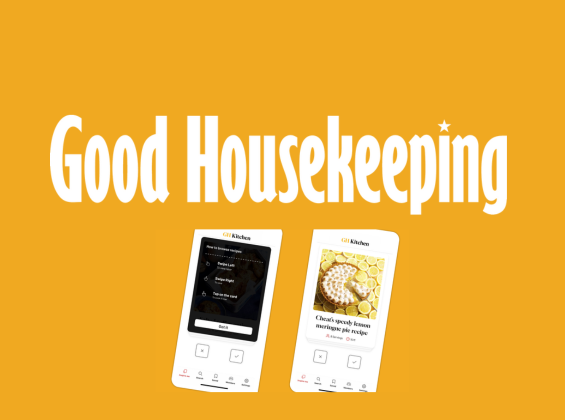
    The app features over 4,000 triple-tested recipes in a swipe-to-discover tool inspired by popular dating apps. It also features smart search and curated collections from famous chefs, and a cook-along mode.  

    It is powered by Pugpig, the platform behind apps for leading media brands like Women’s Health UK, Runner’s World UK, and The Independent, and built in close collaboration with product agency, Fueled.  

    Good Housekeeping Kitchen app users start their journey in an ‘Inspire me’ section, where they can swipe through a collection of GH favourites, swiping right on any recipe that takes their fancy, and left for any that don’t.  Swiped recipes instantly appear in a favourites folder, and the user can create folders to help them with anything from weeknight dinners and vegetarian meals, to brunch ideas and much more. 

    In addition, the app includes a search function which finds all the latest recipes from the GH test kitchen, guest collections from famous celebrity chefs like Jamie Oliver and Mary Berry, plus lots of specially curated seasonal collections to make sure people can access exactly what they need, when they need it. 

    The Good Housekeeping Kitchen app is free to use, and is available now on iOS and Android. 

    Liz Settle, MD of Good Housekeeping / Good Housekeeping Institute, said: “Recipes have long been one of the first ways that people discover Good Housekeeping, so we’re thrilled to launch this new, free app and share our iconic triple-tested recipes with a new generation of home cooks.” 

    Jean Kemp, Customer Director at Pugpigsaid: “Good Housekeeping Kitchen shows how a recipe app can move past just content and deliver genuine value, exactly the kind of user experience Hearst is leaning into. It’s been a fantastic collaboration with Good Housekeeping and Fueled, and we’re excited to support the next phase as the app builds habits, personalisation and optional paid value.” 

    For more information on the Good Housekeeping Kitchen app, see here

  • Haymarket Media Group achieves B Corp certification

    Haymarket Media Group achieves B Corp certification

    The certification marks an almost three-year effort and entailed significant investment by the business and its employees. From the introduction of new policies spanning key areas including sustainable travel, environment, procurement, and business ethics, to mandatory employee training, and enhanced learning and development offerings. 

    Kevin Costello, Global Chief Executive, Haymarket said: “This was the result of a company-wide effort that demanded new commitments and formalised ways of working. The process emphasised global collaboration across continents and teams, ensuring our commitments to being a force for good are embedded in our daily decision-making. 

    As a privately-owned, family business, our people are our greatest asset. We have long been confident in our commitment to shaping a better future but today proves we walk the talk. We are setting a new standard amongst our peers – and we are excited for all that’s to come.” 

    Haymarket, which owns more than 90 brands including Campaign, What Car?, Wonderly, and Asian Investor, has more than 1,300 employees, spanning offices in the UK, US, Canada, Germany, the Netherlands, Hong Kong, Singapore, and India.

    The B Corp certification process, administered by the non-profit B Lab, involves a tough evaluation of a for-profit company’s entire social and environmental performance, as well as transparency and accountability.

    Continuous improvement is at the foundation of being a B Corp, and Haymarket commits to fully embedding these principles, with mandatory recertification required every three years. Measurement and progress will be publicly reported in Haymarket’s annual Impact Report. 

    Chris Turner, Executive Director, B Lab UK added: “We are delighted to welcome Haymarket to the growing community of Certified B Corporations. The rigour of the B Impact Assessment ensures that companies like Haymarket are truly balancing profit with purpose to benefit workers, customers, communities, and the planet. For a global media company of Haymarket’s stature to make this commitment shows the increasing momentum of the movement and its reach across all sectors.”

  • 60 seconds with Avid Collective’s Tom Gunter

    60 seconds with Avid Collective’s Tom Gunter

    For anyone who hasn’t heard of Avid Collective, what’s the elevator pitch?

    We started Avid as publishers ourselves, building and delivering direct partnerships for advertisers. We loved the work, but we constantly ran into the same problem: brilliant ideas were slowed down by clunky workflows, manual processes, endless spreadsheets and emails. Compared to other digital channels, it was harder than it needed to be for advertisers to run direct partnerships, which limited growth and scale.

    That experience is what led us to build PubSuite – technology designed to make collaboration simpler and faster for agencies and publishers. Our technology makes it much easier for agencies to discover, brief, and run campaigns with publishers and help grow investment into the channel.

    You co-founded Avid Collective seven years ago, how have your clients’ needs changed since then?

    When we started Avid Collective, direct partnerships were already a key focus of publishers and delivered strong value to brands because they build trust, relevance, and deeper audience connections. What’s changed isn’t the effectiveness of the format, but the requirements of the channel for both parties.

    With pressures on other ad streams, most notably programmatic, publishers are increasingly focusing on how they can scale direct partnership revenue, which still enjoys steady but moderate growth.

    For agencies and advertisers, resource and cost pressures, coupled with a fragmented media market, means it’s harder for them to engage frequently with publishers.

    Our recent survey of 160 agency leads found that 79% of respondents agreed that manual workflows across briefing, approvals, campaign delivery, and reporting limit their ability to deliver higher-quality, more impactful work. For advertiser and publisher direct partnerships to grow, it needs to be easier than it is currently.

    Avid Collective recently launched in the UK, why now?

    We launched in the UK around 12 months ago, and the timing felt right because although the UK and Australian markets are very different in scale, the challenges publishers face are remarkably similar. Both markets are wrestling with pressure to diversify revenue beyond programmatic, find ways to scale growing channels such as branded content, events, and sponsorship – all whilst managing ongoing costs.

    Australia represents an excellent blueprint for us to adapt in the UK, having worked with publishers large and small. The learnings we make in that market help shape our UK proposition, and we’ve already seen in the UK that there is an appetite for a similar solution. UK publishers are ambitious, innovative, and highly motivated to find better ways to grow sustainable revenue streams.

    Now more than ever, publishers are prioritising diverse revenue streams. How important are digital partnerships to driving sustainable growth, and how can tech help?

    Digital partnerships are one of the most valuable revenue streams publishers have. They build trust, drive cultural relevance for brands, and createthe kind of deep audience connection that other channels, including the big tech platforms, simply can’t replicate. They allowpublishers to lean into formats, be it events, podcast sponsorships, or branded video content that create true cut through with audiences.

    The challenge has never been the format or the outcomes. The challenge is scale. Digital partnerships have been notoriously difficult to grow because the operational load is so heavy – from planning and briefing through to approvals, delivery, and reporting. It takes time, people, and coordination, and that makes it harder to compete with channels that are faster and easier to buy.

    That’s where technology becomes essential. Partnerships and content didn’t receive the technology rebuild that other channels did, and the industry has been feeling the effects of that for years. The role of technology now is to give publishers and their clients the time and headspace to do what they do best – focus on strategy, creativity, and storytelling. Instead of being weighed down by coordination, admin, and manual tasks that tech can automate and manage efficiently.  

    What’s your 2026 prediction?

    With the pressures of external forces, such as AI technologies, I think we will continue to see collaboration between publishers – increasingly working together to shift policy, share resources, and indeed sell together.

  • Future Appoints Michael Peralta as Chief Revenue Officer

    Future Appoints Michael Peralta as Chief Revenue Officer

    Peralta, an experienced global media and technology executive, will join the Executive Leadership Team on 3 December 2025, reporting directly to Chief Executive Officer, Kevin Li Ying. This appointment comes as Future accelerates its focus on harnessing the power of AI, first-party data, and Retail Media Networks (RMN) to deliver value and future-ready solutions for its partners.

    “Future is investing in the best talent and leadership to supercharge our next phase of growth, and Mike’s return is the ultimate signal of this,” said Li Ying. “With his deep understanding of our vast portfolio and proven track record in media and advertising, I have full confidence in his abilities to drive success for our clients, partners, and global audiences.”

    “Coming back to Future at such a defining moment is incredibly exciting,” said Peralta. “Under Kevin’s leadership, there’s a powerful vision for where we’re headed – one that’s powered by data, technology, and innovation. Future is actively diversifying across advertising, e-commerce, RMN, and emerging AI and data partnerships – my focus is on uniting all of these strengths to drive sustainable growth and deliver unmatched value for our advertisers and partners.”

    Peralta brings a wealth of experience to the CRO role at Future. Most recently, he served as Vice President and General Manager of T-Mobile Advertising Solutions, where he helped establish and scale the company’s omnichannel advertising business. He has held senior executive positions at companies ranging from start-ups to global enterprises, including Criteo, AudienceScience, MediaMath, and AOL/Advertising.com. He is widely recognised for his success in helping advertisers connect with consumers while building sustainable, data-driven, scalable products.

  • Sir David Beckham guest edits Country Life

    Sir David Beckham guest edits Country Life

    Recently knighted Beckham follows in a series of high profile guests including His Majesty The King, who has edited the magazine twice, and Queen Camilla, who has edited it once.

    The Future Plc title shares why the countryside means so much to Beckham and his family, and includes Alan Titchmarsh looking round round his Cotswolds garden, and recipe tips with Tom Parker Bowles in the kitchen at Claridge’s.

    Find out more here.

  • Ofcom publishes consultation on postal pricing 

    Ofcom publishes consultation on postal pricing 

    It has recommended a targeted means-tested discount scheme, but has not recommended the inclusion of publishers or bulk mail users in the discount scheme. 

    In addition, Ofcom is considering issues around a lack of price controls for downstream access providers, and what solutions may be appropriate. 

    Sajeeda Merali, CEO, PPA said: “Many publishers rely on second-class post as an essential, affordable way to reach their readers, and ongoing price rises have already put significant strain on the sector. Any regime that excludes publishers from postal discounts would have a commercial impact for many.

    It’s disappointing that magazines and publishers were not directly referenced in Ofcom’s reports, instead being grouped under the broad category of ‘bulk mail users. A more accurate and informed understanding of the publishing sector’s specific challenges would be welcome.

    The PPA will continue engaging closely with our members to provide a comprehensive response, but our position of deep concern over the cost of second-class post and its impact on publishers remains clear. Affordability and access are vital if publishers are to continue serving their audiences and communities effectively.”

    The PPA are currently engaging with members to develop a response, ahead of the deadline of 5 December. For more information about the consultation, see here and to speak to our team about the consultation contact our Head of Policy & Public Affairs eilidh.wilson@ppa.co.uk