Tag: Festival

  • The PPA Festival: key takeaways from The Big Picture Stage

    The PPA Festival: key takeaways from The Big Picture Stage

    This stage hosted strategic insights from industry figureheads and thought leaders looking at the biggest challenges facing our sector.

    Powered by:


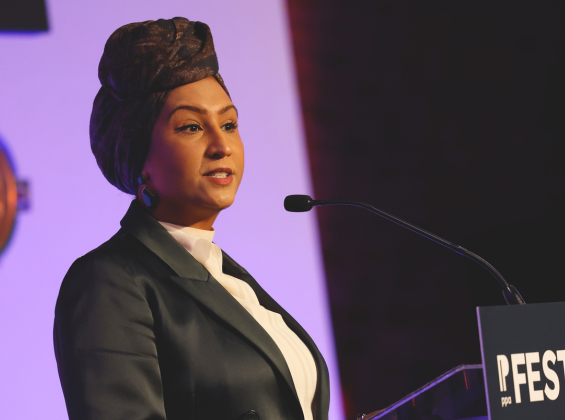
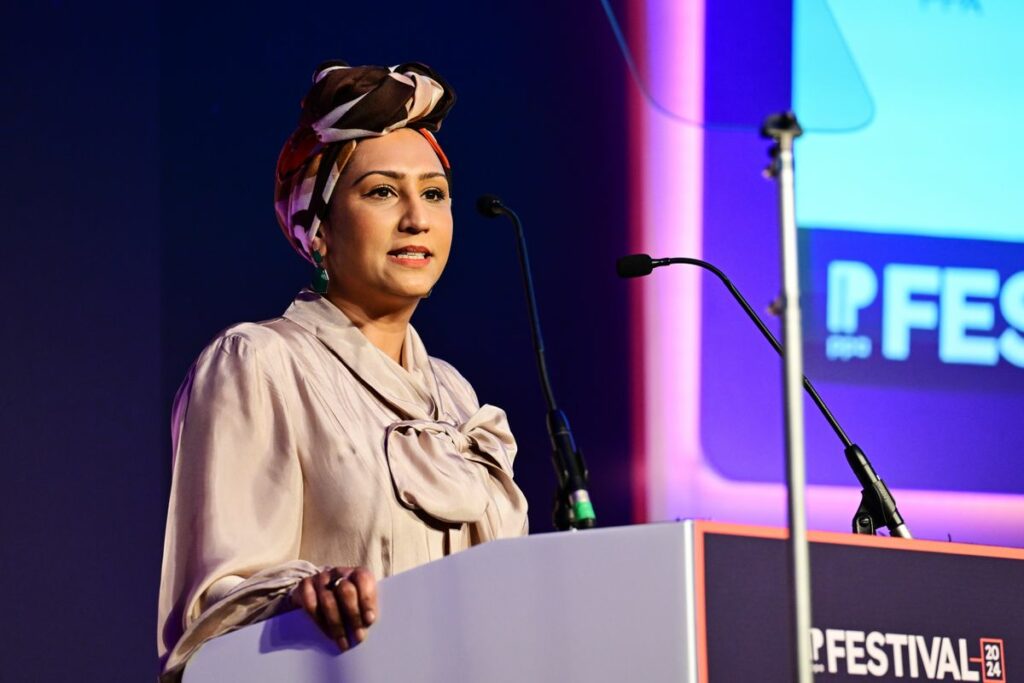
    Sajeeda Merali, PPA CEO opening address

    “Trust is the commodity that stands this industry apart”
    “Publishing brands are a kitemark for the consumers we serve”
    “The need to differentiate our content is critical”
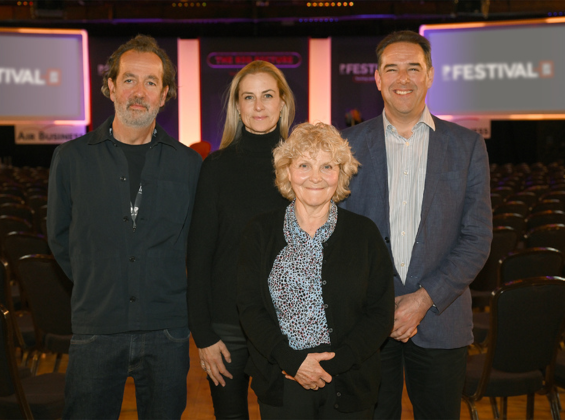
    The future of media

    Alan Rusbridger, Editor, Prospect
    Joshi Herrmann, Founder, Mill Media Co
    Moderated by: Nina Wright, Chair, Harmsworth Media

    This session explored the challenges of journalism, trust, and accountability, and why Mill Media Co offers hope to the industry.
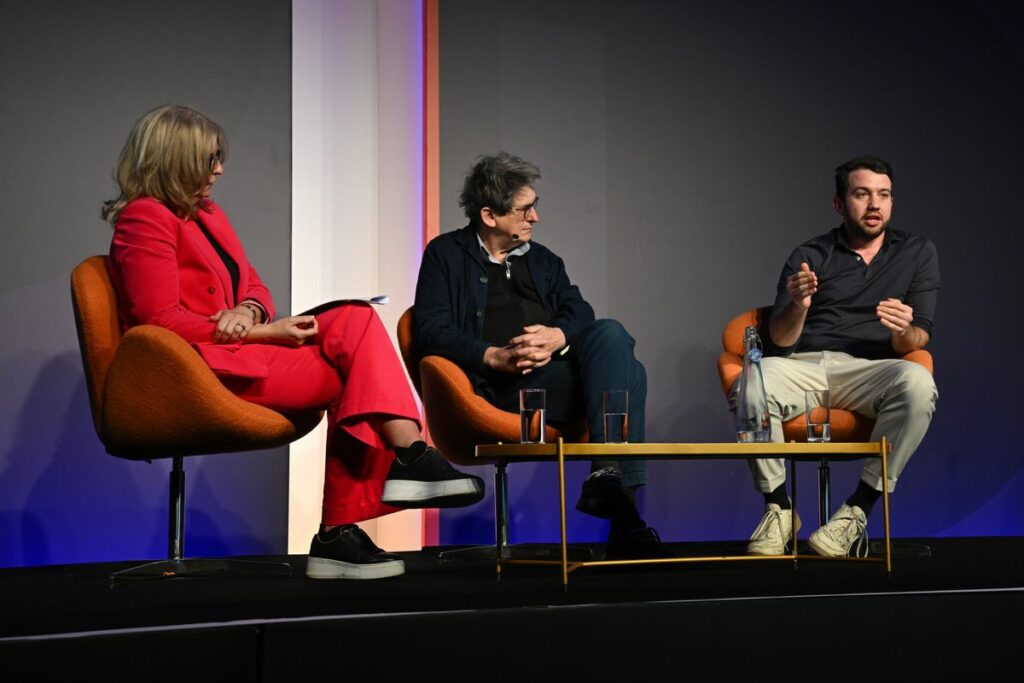
    “Teaching six-year-olds how to distinguish fake news is an essential tool of being a citizen” – Alan Rusbridger

    Churnalism: “The decline in media quality is due to journalists having to write too many stories in not enough time… a radical reduction in volume will work, as long as the content is highly differentiated” – Joshi Herrmann

    Alan Rusbridger on AI: “You’d be stupid not to try it. But be transparent about how you use it”.

    “If we want to engage with younger people, we need to understand that we’re competing with Netflix and TikTok, and we need to be better” – Joshi Herrmann

    Can the ‘forever promise’ transform your business?

    Robbie Kellman Baxter shared her expertise and experience of consulting global giants including Netflix, The Wall Street Journal, and Microsoft on their subscriptions and membership strategies.
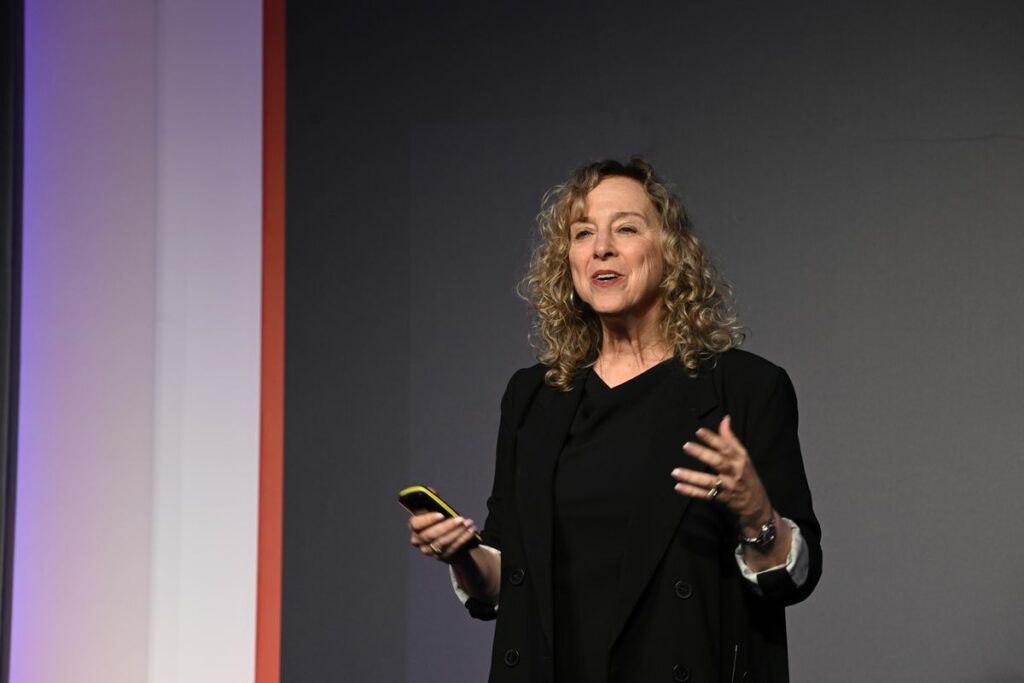
    “Membership economy is like a painting palette. It’s not just their journey with your product, it’s about what they are trying to accomplish”

    “When I go into an organisation, I try to get a feel for whether they love their product the most or whether they love their customers the most”

    “Launching is about gathering. Knowing whose problem you’re solving and solving it on an ongoing basis”

    “The burden of having a big ship that has been travelling for a long time is that it is very hard to turn. When you are in a lead phase you need to look through your telescope way ahead of your journey to prepare to turn the ship”

    What B2B and B2C can learn from each other

    Amanda Barnes, Chief Executive, Faversham House
    Brian Morrissey, Founder, The Rebooting
    Sean Cornwell, Chief Executive Officer, Immediate Media

    Brian Morrissey discussed the emerging trends, technology, and consumer insights shaping our industry. The CEOs then shared their perspective on the rise of specialist interests, the competitive events landscape, the biggest industry threats, and managing talent pipelines in an rapidly-evolving market.
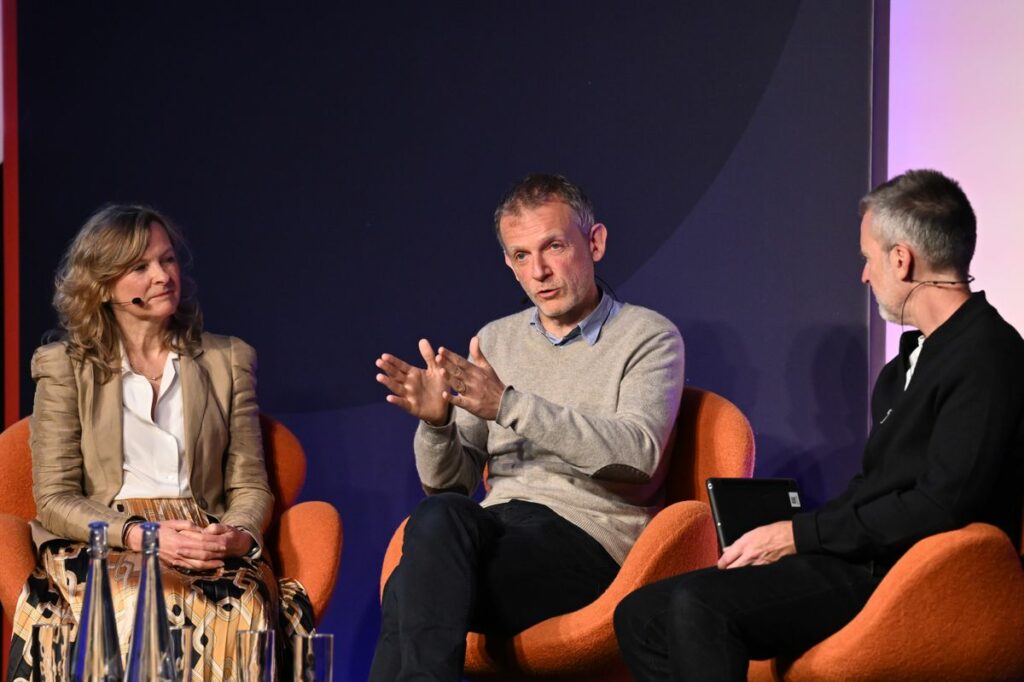
    “We’re entering the age of experts. Individuals are beating institutions” – Brian Morrissey

    “Your CRM is now more important than your CMS” – Brian Morrissey

    “User experience has to be phenomenal. Especially if you’re charging for content” – Sean Cornwell

    “We should be allowing people to discover unknowns. People need to be able to wander” – Amanda Barnes

    “Scale is brilliant, but it can result in complacency. You can miss sub-communities” – Sean Cornwell

    Sean Cornwell on AI: “We use it in everyday workflow, it’s table stakes. But we are also testing new, AI powered user propositions”

    “We use generative AI as a search tool within our own archives” – Amanda Barnes

    Media matters: politician question time

    Christine Jardine, Liberal Democrat MP for Edinburgh West & Cabinet Office Spokesperson
    Damian Collins, MP for Folkestone and Hythe
    Rachel Blake, Labour Candidate MP for Cities of London & Westminster
    Moderated by: Andrea Thompson, Editor-in-Chief, Marie Claire UK

    An interesting discussion between representatives from the three main political parties.
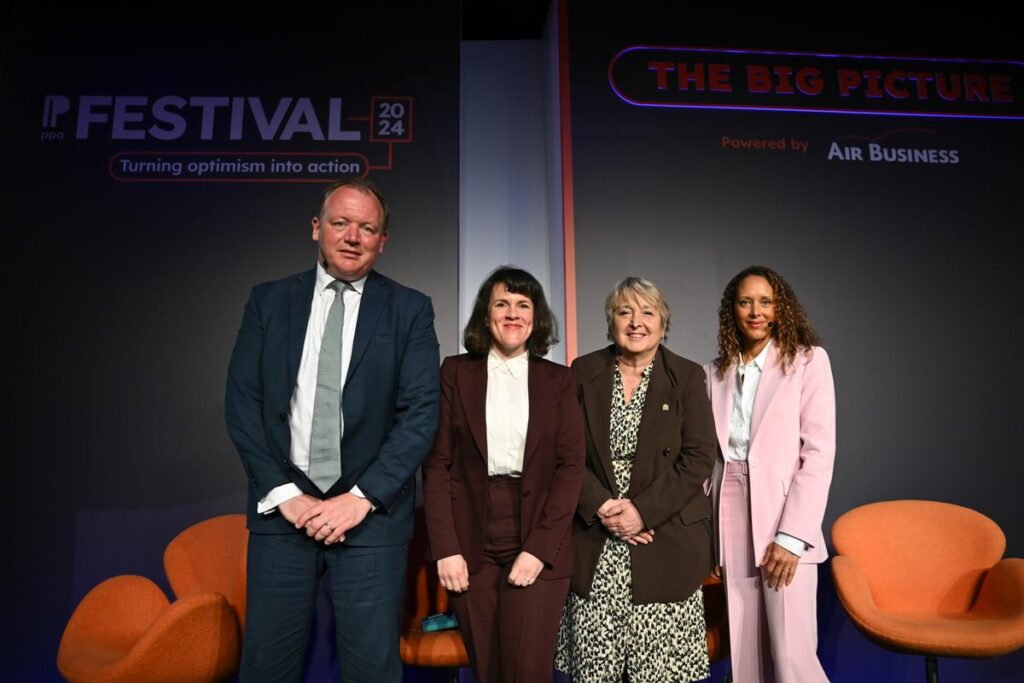
    Christine Jardine on AI: “It’s not a case of undermining copyright, it’s about making sure that it’s always fit for a purpose and up to date” 

    “We need to create the same competition provisions that they have in countries like Australia so that there is fair compensation between big platforms and publishers” – Damian Collins

    “We have to make sure we don’t allow AI to produce generic copies of published content” – Damian Collins

    “We do need a tax regime which encourages people to stay in this country rather than going elsewhere” – Christine Jardine

    “Sometimes I don’t think we actually appreciate the amount that the economy gains from a successful arts and creative industry sector. Onward investment in [creative] industries is just as important as that initial injection of funds to set them up. We have to regard creative industries as an industry, not just a luxury” – Christine Jardine

    “Platforms are making the equivalent of editorial decisions about what people see. They need to be accountable” – Damian Collins

    “We have a league table obsession that has undervalued the value of creative arts” – Christine Jardine

    “Pathways out of education into the industry are critical” – Damian Collins

    Tackling AI’s gender bias

    Eleanor Krivicic, VP and Assistant General Counsel, International Shutterstock
    Hannah Williams, Managing Director, Digital Content, Immediate Media
    Kendal Parmar, Co-Founder & Chief Executive Officer, Untapped AI
    Moderated by: Lisa Smosarski, Editorial Director & Board Director, The Stylist Group

    In this session, editors, tech pioneers, and entrepreneurs shared examples of the gender biases present in AI, explored the mechanics of how this happens, and discussed how to stop tech from perpetuating and exacerbating stereotypes and discrimination.
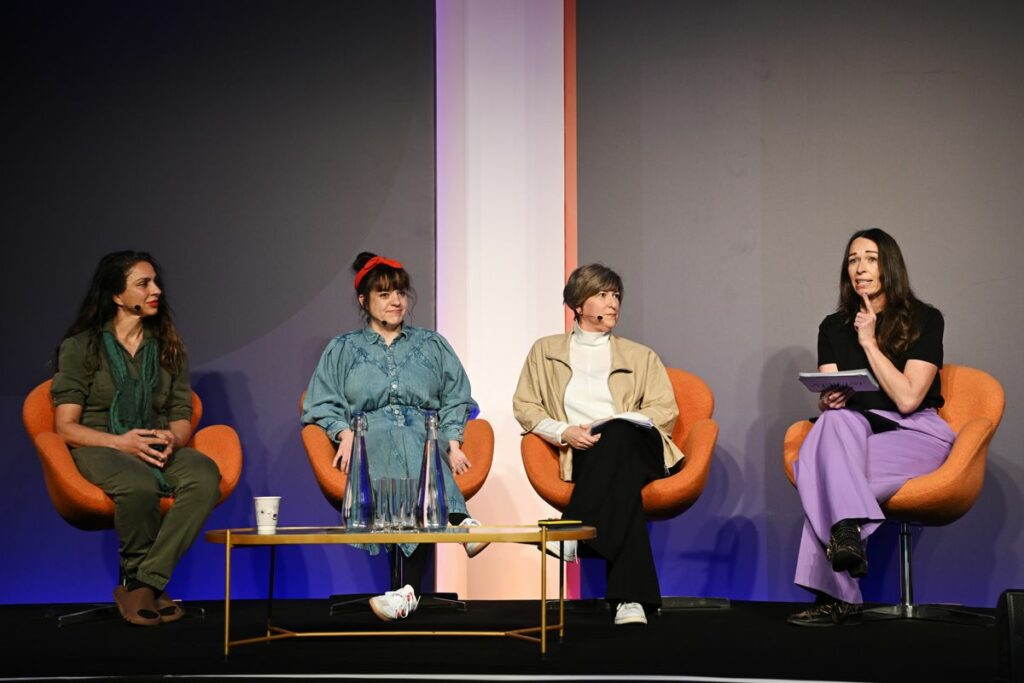
    “When we think about the bias of AI, you need to first look at the inputs. How did we get here?” – Eleanor Krivicic

    “The root to equity in power is who you have, and encourage to have, a seat at the table” – Hannah Williams

    “These issues don’t start or end with AI” – Hannah Williams

    Adapt and thrive: CEO strategies to lead through change

    Katie Vanneck-Smith, Chief Executive Officer, Hearst UK
    Philip Swinden, Managing Director, Haymarket
    Moderated by: Gideon Spanier, UK Editor-in-Chief, Campaign, Haymarket

    This session tackled a number of business issues as Katie Vanneck-Smith and Philip Swinden chatted about if subscriptions have reached their limit, what is next? How to make a media business truly sustainable, a realistic view of the opportunity vs threat of AI, and much more.
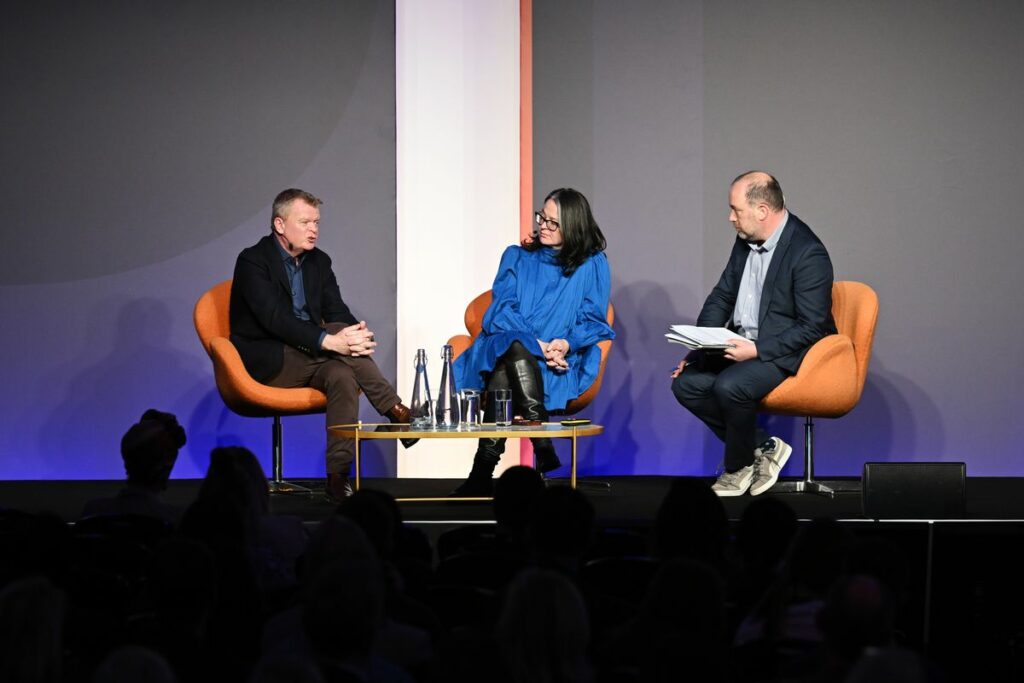
    “We’ve had to adapt our mindset at pace. Thinking about print and digital is unhelpful because it’s really all about our customer” – Katie Vanneck-Smith

    “We’ve reached peak subs around individuals. Our focus is now on organisational subs. Recurring revenue here can be as high as 99%” – Philip Swinden

    “Clients are buying content experiences with guaranteed outcomes” – Philip Swinden

    “Our job is to make ads a premium part of our products” – Katie Vanneck-Smith

    “We describe our known universe as organisations that engage with our products. 96% of that universe is unconverted [into subscribers]” – Philip Swinden

    “If change happens to people, it never lands. We have to give our teams the chance to be part of that change” – Katie Vanneck-Smith

    “The intellectual property of our brands is our biggest asset. It doesn’t matter whether it’s publishing or not. [For example], a podcast is a type of magazine. Magazines are platform agnostic. It’s how you package things that matter” – Katie Vanneck-Smith

    What happened to fun at work?

    Clive Hyland, Head of Neuroscience, The Happiness Index
    Jessica Barclay, Head of People, Haymarket Media Group
    Maliha Shoaib, Reporter, Vogue Business
    Moderated by: Bruce Daisley, Sunday Times Bestselling Author of Fortitude & Creator of “Eat Sleep Work Repeat” Podcast

    With constant time pressures, the relentless pace of digital transformation, the expectation to achieve more with less resource, and the rapid development of AI many teams are feeling the pressure. According to The Happiness Index, a ‘fun’ workplace leads teams to be more creative, more dedicated, and more likely to deliver outstanding results.
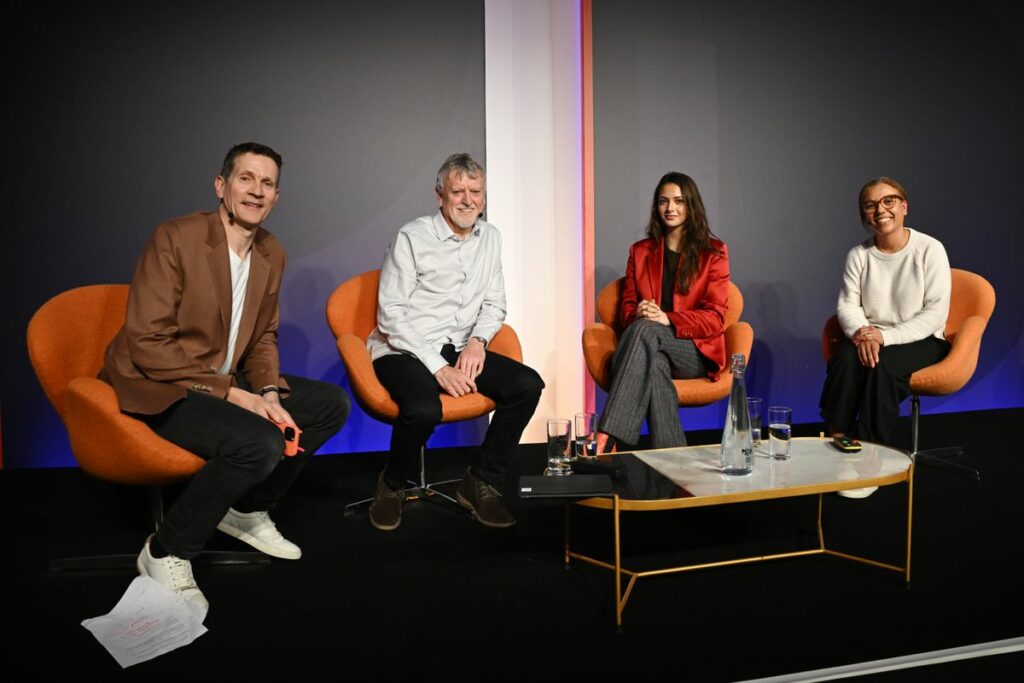
    “The science is absolutely clear – happy people are more productive” – Clive Hyland

    “Gen Z has grown up in an era of constant crisis creating huge dissolution and lack of agency in fixing situations not of their own making” – Maliha Shoaib

    “You don’t have to wait to go home to be human – you should feel safe to bring your authentic self to work” – Clive Hyland

    “The best thing a people team can do is empower managers to create fun, inclusive, and connected teams and communities” – Jessica Barclay

    “There is a crucial need to listen to younger generations” – Clive Hyland

    The Post Office scandal and the power of storytelling

    Bryan Glick, Editor-in-Chief, Computer Weekly, TechTarget
    Jo Hamilton, Former sub-postmistress, Post Office
    Natasha Bondy, Creative Director, Little Gem Media
    Moderated by: Tom Loxley, Editorial Director, Radio Times

    Computer Weekly’s coverage of the Horizon software scandal shone a light on one of the biggest miscarriages of justice in British history, and inspired the drama Mr Bates vs The Post Office. Within a week of the show airing, more than a million people had signed a petition, and the government announced a new law.

    This session was a fascinating and moving close to the day. The discussion between some of the people behind the story showcased the power of storytelling to galvanise the public and move those in power to take action.
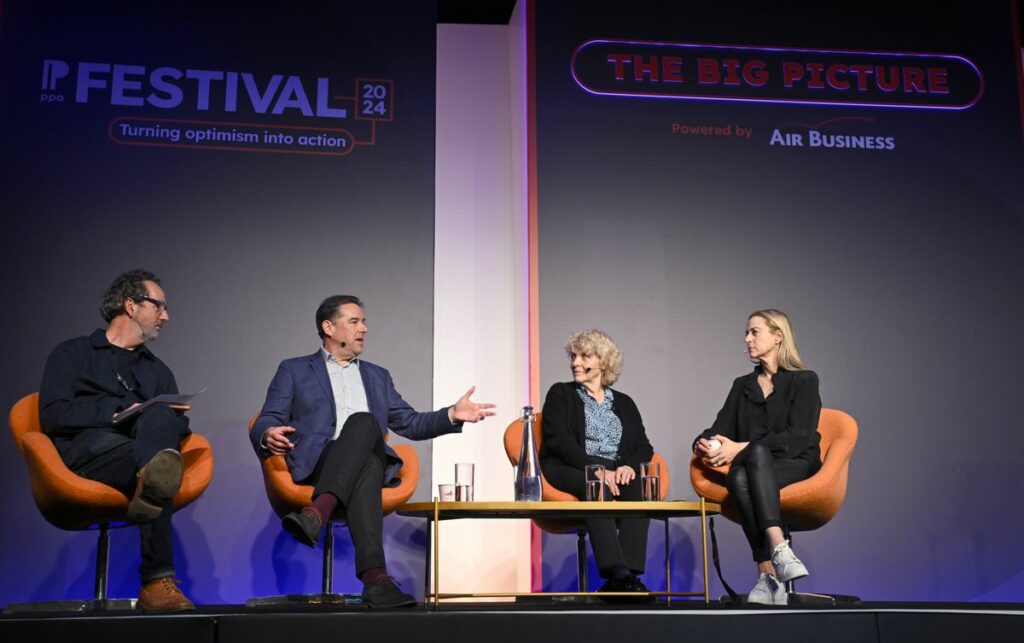
    “We [at Computer Weekly] ran 400 stories about the Post Office Horizon scandal before the TV show aired” – Bryan Glick

    “If a number just doubles, it’s obviously a software problem” – Bryan Glick

    “We all have that fear of being accused of something we didn’t do. This story has clear goodies and baddies. And lots of surprises” – Natasha Bondy

    “Yes, they should face prosecution”– Jo Hamilton

    “For my mother who didn’t live to see justice, thank you” – anonymous audience member

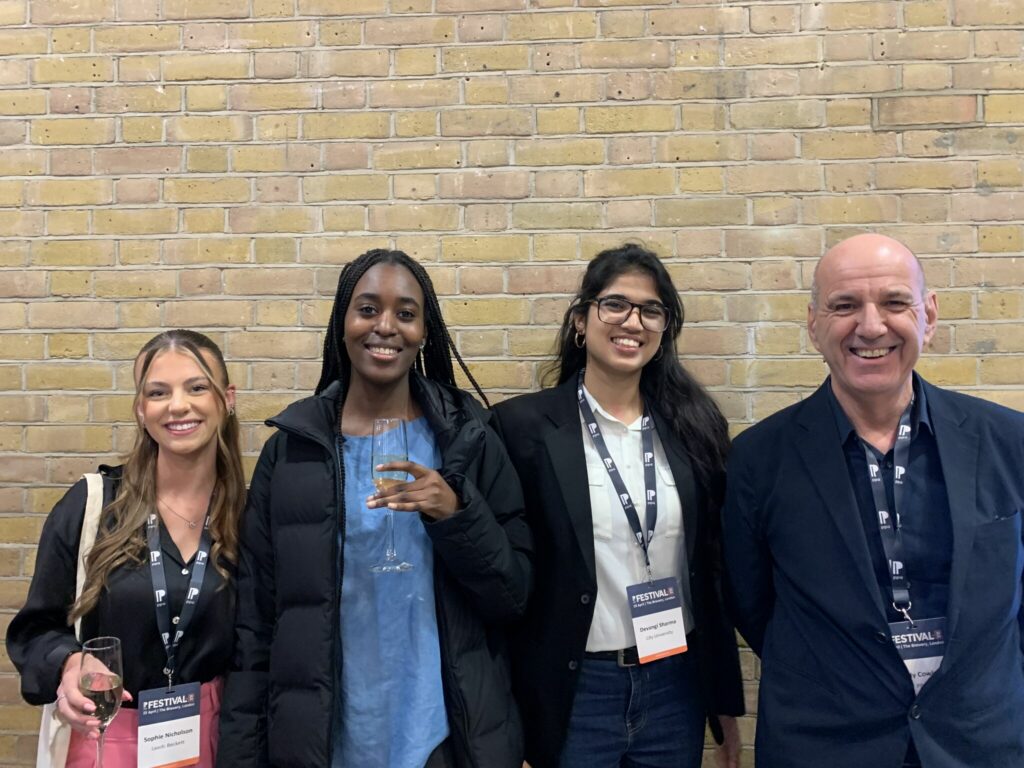
    A big thank you to our student press team for collating these key takeaways: Sophie Nicholson, Leeds Beckett; Nana Okosi, City, University of London; and Devangi Sharma, City, University of London.
    Further reading:

    PPA Festival: Generation Gap: youth more trusting of advertising than older people
    PPA Festival: The Future of Media
    PPA Festival: Is it a leader’s job to make work ‘fun’?
    Why AI-powered search from Google may NOT be disaster for publishers
    PPA Festival 2024: Five Questions Every Media Business Should Be Asking Themselves
    Why ‘more isn’t always more’ for publishers on Tiktok
  • PPA Festival: agenda highlights

    PPA Festival: agenda highlights

    As the publishing event of the year, the PPA Festival will give you unparalleled networking opportunities and access to industry powerhouses who will explore: AI and new product development, leadership strategies, workplace culture, revenue growth, editorial excellence, and much more.

    Keep reading to find out more about a handful of sessions on the agenda that you might have missed.

    Can the “Forever Promise” transform your business?

    What is it and what impact can it have? Renowned author and host of the podcast Subscription Stories, Robbie Kellman Baxter will share her expertise and experience of consulting global giants such as Netflix, The Wall Street Journal, and Microsoft on their subscriptions and membership strategies.

    Speakers:

    Robbie Kellman Baxter, Author of The Membership Economy & The Forever Transaction

    Gideon Spanier, UK Editor-in-Chief, Campaign, Haymarket

    The creative application of AI

    How to successfully augment the storytelling and creative process with generative and other AI applications. This session will look at accessible ways to weave in tools authentically and ethically – as well as product development. We’ll review the latest tech on the market, so you can improve efficiency and results, and explore the crucial considerations for new product development opportunities.

    Speakers:

    Katja Eggert, Head of Strategic Development, Immediate Media

    Robin Booth, Managing Director, EMAP

    Amplifying diverse voices in podcasting

    An insightful session as Elizabeth, creator of the acclaimed podcast How to Fail, and Chanté Joseph, the voice behind The Guardian’s Pop Culture podcast, come together to discuss the importance of diversity and inclusivity in the podcasting industry.

    With over 35 million downloads of How to Fail, Elizabeth has not only built a successful podcast but also established her own production company, Daylight, dedicated to uplifting female and underrepresented voices. Chanté, with her deep dives into pop and internet culture on The Guardian’s platform, brings a unique perspective on how these narratives shape our lives and culture.

    Elizabeth and Chanté share their experiences and explore actionable ways to ensure that podcasting becomes a space where all voices and perspectives are given the platform to be heard.

    To view the full agenda, click here. PPA members, independent publishers, students, and anyone under 30 receive discounted rates. More information can be found here.

  • PPA Festival: the Post Office Scandal and the power of storytelling

    PPA Festival: the Post Office Scandal and the power of storytelling

    Computer Weekly’s coverage of the Royal Mail Horizon software scandal shone a light on one of the biggest miscarriages of justice in British history, and inspired an ITV drama. Within a week of the show airing, more than a million people had signed a petition and the Government announced a new law.

    Hosted by Radio Times’ Joint-Editor Tom Loxley, the discussion will be about the power of storytelling to galvanize the public and influence those in authority.

    Attendees of this session will hear from some of the people behind the story:

    • Jo Hamilton, the former postmistress wrongfully convicted.
    • Bryan Glick, Editor-in-Chief, Computer Weekly.
    • Natasha Bondy, Creative Director of Little Gem Media and the Creator and Executive Producer of the drama Mr Bates vs The Post Office, as well as the accompanying documentary.

    Being held at the Brewery, London on 23 April, the PPA Festival will see over 25 sessions across four stages. The flagship PPA conference aims to help specialist content providers devise new strategies and explore solutions for the opportunities and challenges that lie ahead.

    Agenda themes will cover all areas of B2B and B2C publishing, including product strategy and development, content creation, audience growth and engagement, data, sales excellence, talent management, and leadership insights.

    Book tickets before 8 March to enjoy early bird rates. Find out more and book here.

  • PPA Festival 2024: first-wave speakers announced

    PPA Festival 2024: first-wave speakers announced

    The flagship PPA conference is being held at the Brewery, London on 23 April 2024.

    Attendees can expect thought leadership as well as actionable takeaways, addressing all areas of B2B and B2C publishing: product strategy and development, content creation, audience growth and engagement, data, sales excellence, talent management, leadership insights, and more.

    Confirmed speakers so far:

    • Kalpana Fitzpatrick, Senior Digital Editor, MoneyWeek, Future
    • Bruce Daisley, Sunday Times Bestselling Author & Creator of “Eat Sleep Work Repeat” Podcast
    • Deborah Joseph, European Editorial Director, Glamour, Condé Nast
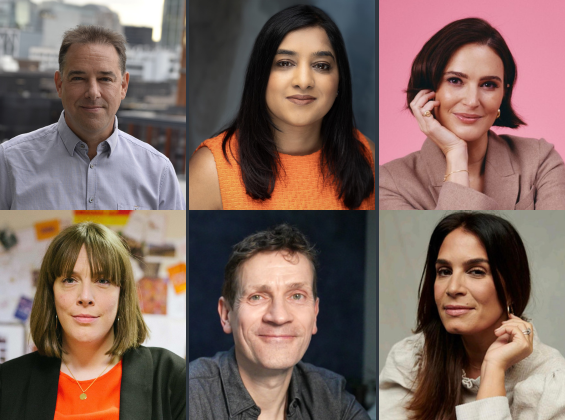
    • Jess Phillips, Labour MP for Birmingham Yardley
    • Stuart Forrest, Global SEO Director, Bauer Media Group
    • Elizabeth Day, Founder, Daylight Productions & “How To Fail” Podcast
    • John Barnes, Chief Digital Officer, William Reed
    • Kendal Parmar, Co-Founder & Chief Executive Officer, Untapped AI
    • Rachel Blake, Labour Candidate for MP, Cities of London & Westminster
    • Bryan Glick, Editor-in-Chief, Computer Weekly, TechTarget
    • Christine Jardine, Liberal Democrat MP for Edinburgh West & Cabinet Office Spokesperson
    • Carola York, Managing Director, FT Specialist Europe
    • Polly Vernon, Columnist, Grazia, Bauer Media Group
    • Sajeeda Merali, Chief Executive Officer, PPA
    • Mel McVeigh, Interim Chief Product Officer & Media Artist
    • Katie Vanneck-Smith, Chief Executive Officer, Hearst UK
    • Nina Wright, Chair, Harmsworth Media
    • Sean Cornwell, Chief Executive Officer, Immediate Media
    • Kerin O’Connor, Founder & Chief Executive Officer, Atlas
    • Abi Spooner, Strategy Partner, Atlas

    More speakers to be announced soon. Book tickets before 8 March to enjoy early bird rates. Find out more here.

  • The PPA Festival is back for 2024

    The PPA Festival is back for 2024

    The flagship PPA conference aims to help specialist content providers devise new strategies and explore solutions for the opportunities and challenges that lie ahead.

    Agenda themes will cover all areas of B2B and B2C publishing, including product strategy and development, content creation, audience growth and engagement, data, sales excellence, talent management, and leadership insights.

    Stuart Forrest, Global SEO Director, Bauer Media Group said: “The PPA Festival is one of the few genuinely unmissable dates for people in our industry. Really useful and insightful talks, and the chance to catch up with anyone who is anyone in the publishing sector.”

    Ridhi Radia, Head of Equality, Diversity and Inclusion, Immediate Media added: ”The PPA Festival fosters an environment where collaborative ideas and innovative strategies can flourish. This event stands as a testament to the dynamic and evolving nature of media and publishing, offering a unique platform for sharing insights and shaping the future of our industry.”

    Robin Booth, Managing Director, emap commented: “It is always an invaluable opportunity to share opportunities, challenges, and experiences with past colleagues you may not have seen for some time. It provides a refreshing sanity check, as well as inspiration to keep innovating and remaining ambitious. The knowledge to be gained in conversations with highly experienced media professionals is very powerful. You always get a pleasant surprise meeting someone you weren’t expecting to see and learning something new.”

    More than 70 expert speakers will deliver thought leadership and actionable takeaways across four stages:

    • The Big Picture Stage: strategic insights from industry figureheads and thought leaders
    • Audience Stage: exploring the customer journey, from audience identification and growth to subscription acquisition and retention
    • Product Stage: cultivating and engaging new and existing audiences by leveraging the latest developments in tech and digital strategy
    • Content Stage: editorial leaders will explore creative excellence, resilience, and reinvention

    The first-look agenda is coming soon. Book tickets before 9 February to enjoy pre-agenda rates. Find out more and book here.

  • PPA Festival 2023: Key takeaways from the Audience stage

    PPA Festival 2023: Key takeaways from the Audience stage

    If I could sum up the Audience stage at the PPA Festival in one word, it would be engagement. From developing e-newsletter habits and community building to (shock horror) actually connecting with subscribers on a regular basis with a bit of positive reinforcement. If your subscription management and publisher tactics are engaging, then your media brand will be too.

    Here are 11 top takeaways from the experts speakers on the day (representing a wide range of businesses, including HELLO!, Hearst, the Financial Times, The Drum, Mark Allen Group, Ipsos iris, and many more)…

    1. Great content comes from letting your community control the conversation (just don’t forget to lay the ground rules). We all want to belong to something and publishers provide the perfect platform on which like-minded individuals can connect. The secret to effective community management is to establish strong rules of engagement from day one and not limit the conversation to the subjects that brought the community together in the first place. Then let the magic happen organically. Oh, and badges are good too (particularly if you’re trying to get people in the independent mountain biking community to pay and the novice badge is associated with free membership).

    2. You want people to contact you if your email doesn’t go out on time. This isn’t a tip about increasing your customer service department, but rather a point about consistency when it comes to email send times. How often do you send an email when it’s ready rather than when it’s right to do so? Building healthy email habits is a great way to get your audience to think about you – and miss you. Of course, a consistent time is only worth keeping if your email content is consistently interesting. Don’t be afraid to stick just one message in an email. And, avoid clever and quirky
    e-newsletter brand names as they’re a nightmare to market.

    3. Premium gated online content is the best way to get to know your print subscribers. A print subscriber can be, at best, an elusive being. But, by offering a complementary digital subscription to all print subscribers – and then tactically placing content online that provides the answers to questions posed in print. Immediate now know so much more about audience interests, buying habits – and garden sizes.

    4. Kindness is good for business (and you). A content strategy based around kindness (and happiness) will not only make your audience – and you – feel better it also provides the ideal environment for commercial partners. Choose kindness and watch those campaign metrics skyrocket.

    5. June is the most popular month for fashion, style and beauty content. Now, you might be wondering what this tip has to do with all B2B and B2C brands. But, this is about data and how, by using tools such as Ipsos iris, publishers can monitor trends in consumer behaviour to help shape both the content they create and the strategy that sits behind it.

    6. Forget FOMO, positive subscriber relationships are ones built on positive reinforcement and trust. It’s great to see media brands now regularly communicating with subscribers (rather than adopting a more ‘ignore and hope they forget’ approach). But don’t fall into the trap of reminding people what they’re not using. Instead, think like Spotify (and its Wrapped model) and celebrate how people are engaging with you.

    7. To ‘dominate’ in subscriptions management, you need to first be a ‘sub’. Yes, I am using a sex analogy, but that’s the kind of advice you get when you ask a Sex Education script consultant and sexpert to talk to a room of subs marketers about creating relationships that last. This tip made the vital point that if you want to understand your audience, take out a subscription and join them. Then, think about how your communications make you feel. (NB: no whips needed like they were on stage).

    8. When choosing to partner with an influencer, ask yourself, are they delivering authentic content to the audience you want? Two related tips here. Influencer marketing works best when you find a genuine expert with the relevant audience (look for quality not quantity) and focus them on creating editorial not advertorial and speaking in an authentic voice. Also, beware the influencer who says yes to everything. If they’re selective, their audience is more likely to select you.

    9. Sell intent, not audience. Demand gen will supercharge your revenues in 2023 and beyond. Rather than selling advertising around editorial content online, it’s now possible to gather data around content consumption and user behaviour and use that data to push high-intent subscribers towards relevant branded content hubs.

    10. Education content is not the same as media content. If you’re looking to build a training business as a way of diversifying revenue (a great idea by the way), you need to invest time and money on pedagogy and learning design – then use your existing content intelligently to encourage sign-ups. 

    11. Put a mint with the bill and your tip will jump up by 3.3%. Not sure how this relates to publishing? Register your interest for the PPA Festival 2024 and you’ll never miss out on the latest marketing and publishing tips again.

    See you next year.

    BONUS TIP
    If you run awards, why not set up a community for your judges, like they do at The Drum. It’s a win win. The judges get a whole host of brilliant new contacts with which to connect and you get instant access to a beautifully-curated bunch who will judge more awards, attend roundtables, answer questions, and be generally useful.

    Words by Jackie Scully, Executive Director, Think Publishing.

  • AI will profoundly change media, PPA magazine chiefs predict

    AI will profoundly change media, PPA magazine chiefs predict

    This article originally appeared on Campaign.

    The rise of artificial intelligence will “profoundly change” the magazine industry, and the sector needs to work together to innovate and ensure there are “protections in place” for content creators.

    That was a key theme that emerged at the PPA Festival, an annual gathering of UK magazine industry chiefs, where Sajeeda Merali and Nina Wright, respectively the CEO and chair of the PPA, both referred to the opportunities and threats posed by AI.

    “Media is at the very centre of this AI debate. It will profoundly change the way we both produce and consume media,” Wright said, explaining how the PPA recently held a roundtable with editorial decision-makers about the impact of this emergent technology.

    Wright, who is also chief executive of Harmsworth Media, which owns New Scientist, said the PPA wanted to use “the power of the collective voice” to support the creators of professionally-produced content as government considers potential regulation of AI.

    She added the PPA is set to meet policy advisers from the Office of Artificial Intelligence at the Department for Science, Innovation and Technology this week.

    Merali said the PPA wants to help the magazine sector and the wider media industry “to create some common guidelines on how AI should be used” and “to ensure the right balance is struck” between innovation and regulation.

    It is vital that “there are protections in place for content creators whose works have been used by machine learning tools without appropriate compensation and this will involve working alongside other creative sectors and trade bodies”, Merali said.

    The use of generative AI tools, such as ChatGPT, has exploded since the start of 2023, with internet users using the tech to carry out tasks including answering questions and writing articles. ChatGPT reportedly reached 100 million users in only two months in February.

    Other speakers at the PPA Festival also mentioned the growing role of data and AI.

    Lucy Kueng, Senior Visiting Research Fellow at the Reuters Institute, gave a presentation about organisational change in media companies and said there was a trend for new roles within the senior leadership team or C-suite to reflect the changing nature of a “digital-centric” industry.

    These new roles include: an executive with specific responsibility for data and AI, which is distinct and separate from the role of chief technology officer; a top commercial role for an executive who can understand growth areas such as digital subscriptions strategy as well as advertising sales; and a “super-charged HR role” with responsibility for improving a company’s “social architecture” in areas such as culture, talent and inclusion, as employees are less loyal and more likely to change jobs.

    Peter Medwid, co-founder of and partner at Katahdin Media Management, which recently surveyed PPA members about various industry issues, said most media companies were “pragmatic” and “cautious” about AI but he encouraged leaders to experiment.

    “AI is exploding in so many different areas – don’t limit it to ChatGPT,” Medwid said. “There’s AI for photography, for video, for illustration and music, and more is in development all of the time,” he added, pointing out that several companies have set up an internal “taskforce” to tackle AI.

    AI can remove some of the “sheer drudgery and time” involved in doing some tasks such as social media posts. “That was an opportunity to let AI step in and save about 45 minutes to an hour of this individual’s day,” one PPA member told Medwid’s survey team.

  • PPA Festival 2023: takeaways from the Together stage

    PPA Festival 2023: takeaways from the Together stage

    That was the message from CEO Sajeeda Merali in her opening address on the Together stage at the PPA Festival on April 25. As the day unfolded, we heard about more of the common opportunities and challenges that companies across the spectrum of specialist media are collectively grappling with in 2023.

    From generative AI to inter-generational friction, here we provide a summary of some of those key themes.

    Leadership

    Publishing is no stranger to disruption, said Lucy Kueng of the Reuters Institute, but PPA members have key strengths in their brands, their relationships with customers, and the calibre of their people. Success, however, is predicated not on strategy but on delivery, she pointed out, and that means having leadership throughout the organisation that can deliver on collective goals, with a top team capable of managing everything from data and AI to new commercial relationships and company culture. “There is huge growth happening in digital markets and we need to really lean into that. The trick is getting the leadership right” said Kueng.

    Audiences

    Having heard from Lucy Kueng that publishers needed to shift their mindset from being content-centric to audience-centric, this point was underlined in the findings of new PPA insight shared by Peter Medwid and John Wilpers from Katahdin Media. They highlighted how the consumer now plays an elevated role in the revenue mix, as seen through the growth of membership models and the value of consumer data and first-party relationships. PPA members are positive about the future, they said, but deeper relationships with audiences are required to continue to compete for one of the most precious prizes of all: their time.

    Inclusion and representation

    Also explored within the new PPA insight was the issue of diversity, equity, and inclusion (DE&I). It found that while 44% of respondents were engaged on this issue, others are still on the journey. Collaboration, clear roadmaps, and accountability were all identified as important markers for internal progress – and the festival audience was also reminded of its responsibilities when it comes to content creation and external influence. Heartstopper actor Bel Priestly, footballer Zander Murray, and rapper Keanan all told Lewis Corner of Gay Times how positive role models and narratives in the media can help counter negativity and misunderstanding in relation to the LGBTQ+ community. There might still be some way to go, agreed the panel, but publishers have the power to help spearhead change.

    Togetherness

    The Silent Generation. Baby Boomers. Generation X. Millennials. Gen Z. With a plethora of generational labels, there is also plenty of potential for inter-generational tensions to exist in today’s workforce, said Stylus CEO Victoria Rennie. In managing organisational change, however, the CEO panel agreed that it’s important not to look at stereotypes but to treat people as individuals and to focus on meaningful collaboration. Training and mutual mentoring, for example, can help in the creation of effective modern hybrid workplaces. As Richie Booker, Head of Diversity & Belonging at Hearst UK said, each generation is experiencing fear of some sort, so breakdown the barriers through better communication and understanding.

    Talent

    While steering clear of stereotypes, there are common drivers for motivation and engagement among younger employees, according to the Gen Z panel. Beyond financial rewards, that includes the importance of upholding personal values, achieving sustained development and progression, receiving constructive feedback, being given agency to solve challenges, feeling valued, and belonging to a community. As Lucy Kueng stated earlier in the day, businesses might tend to focus on the machinery but “people don’t join companies, they join people.”

    AI

    Generative AI was a key theme of the day. And with questions over transparency bias, underrepresentation of voices, and potential lack of oversight. Sajeeda Merali outlined the PPA’s role in representing members’ interests, ensuring “the right balance is struck and protection is in place for content creators”. Chris Duncan, CEO UK Publishing at Bauer Media, described AI as “a massive opportunity that comes with guardrails” – counting among the pros the ability to automate repetitive tasks and to differentiate publishers through our content quality. Those with lingering concerns about how it will all play out were offered the following solace from Katahdin Media’s Peter Medwid: “don’t lose sleep, it’s either going to save the world or destroy it.”

    A positive future

    According to PPA insight, the majority of publishers have a plan when it comes to environmental, social, and governance (ESG) matters, investing in internal change and championing progress via their products and platforms. Looking to the future, Jo Murphy of Stylus highlighted how awareness of these issues will continue to be prioritised by the consumer of 2040 in a world where the rise of AI, the metaverse, and other digital technologies will mean extended reality (XR) fuses into our IRL experiences. This balance between humanity and technology was also explored by broadcaster Clare Balding and Sue Fennessy of WeAre8, a pioneering social platform that cocoons audiences in a positive experience while creating value for advertisers and content creators.

    Consistent with many of the other sessions on the Together stage, this final session carried an underlying message of what can be achieved by empowering individuals. Whether facing up to the challenges of technology, transformation, or talent retention, putting people at the heart of things can drive positive progress. Indeed, as John Wilpers of Katahdin Media said when discussing human capital: “everything we’ll talk about today comes down to this”.

    PPA Chair Nina Wright of Harmsworth Media agreed, pointing to the sector’s “insanely dynamic” talent as laying the foundation for the Festival’s overarching themes of confidence, optimism and opportunity. “This sector is FOR people and driven BY people,” she said, “and it’s days like today that should serve to remind us of the incredible potential of media to inform, inspire, and transform our society.”

    Together stage sponsored by Air Business. Words by Tom Hawkins.